Shopify + SimpleLocalize: Easy multilingual store management


Expanding a Shopify store into new markets comes with one major challenge: managing translations efficiently. Store content lives in many places: products, collections, pages, blog posts, and keeping everything consistent across languages can quickly become overwhelming.
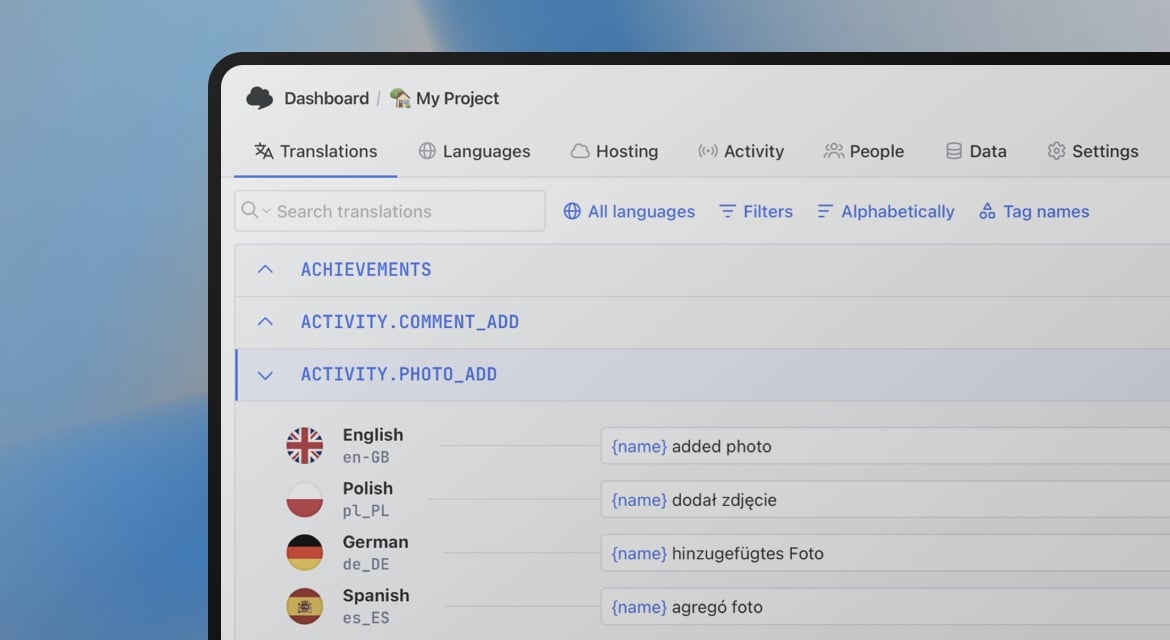
That's why we built the Shopify + SimpleLocalize integration. It connects your Shopify store with SimpleLocalize, giving you a centralized translation management system designed specifically for multilingual e-commerce. Instead of handling translations manually inside Shopify, you can sync your store content to SimpleLocalize, manage translations in one place with automations, and push updates back to your store automatically.
The result is a simpler workflow, fewer errors, and a scalable foundation for growing your Shopify store internationally.

Why Shopify + SimpleLocalize?
Shopify provides built-in support for multiple languages, but managing translations directly inside the admin can quickly become limiting as your store grows. Content is spread across products, collections, pages, and blogs, and collaboration with translators or content editors often requires manual work.
The Shopify + SimpleLocalize integration solves this by moving translation management to a dedicated platform. Your store content is synchronized with SimpleLocalize, where translations can be created, reviewed, and maintained in one place, without disrupting your existing Shopify workflow.
This approach keeps Shopify focused on commerce, while SimpleLocalize handles localization at scale.
If you are building or scaling a multilingual online store, our guide on localization in e-commerce explains how localization impacts conversions, SEO, and trust across markets.
How the integration works
The integration connects your Shopify store with a SimpleLocalize project and synchronizes translatable content between them.
After installing the SimpleLocalize app in Shopify and connecting it to your project, you can choose which resources should be synchronized. Once enabled, SimpleLocalize fetches your store's translatable content and keeps it organized by language and resource type.
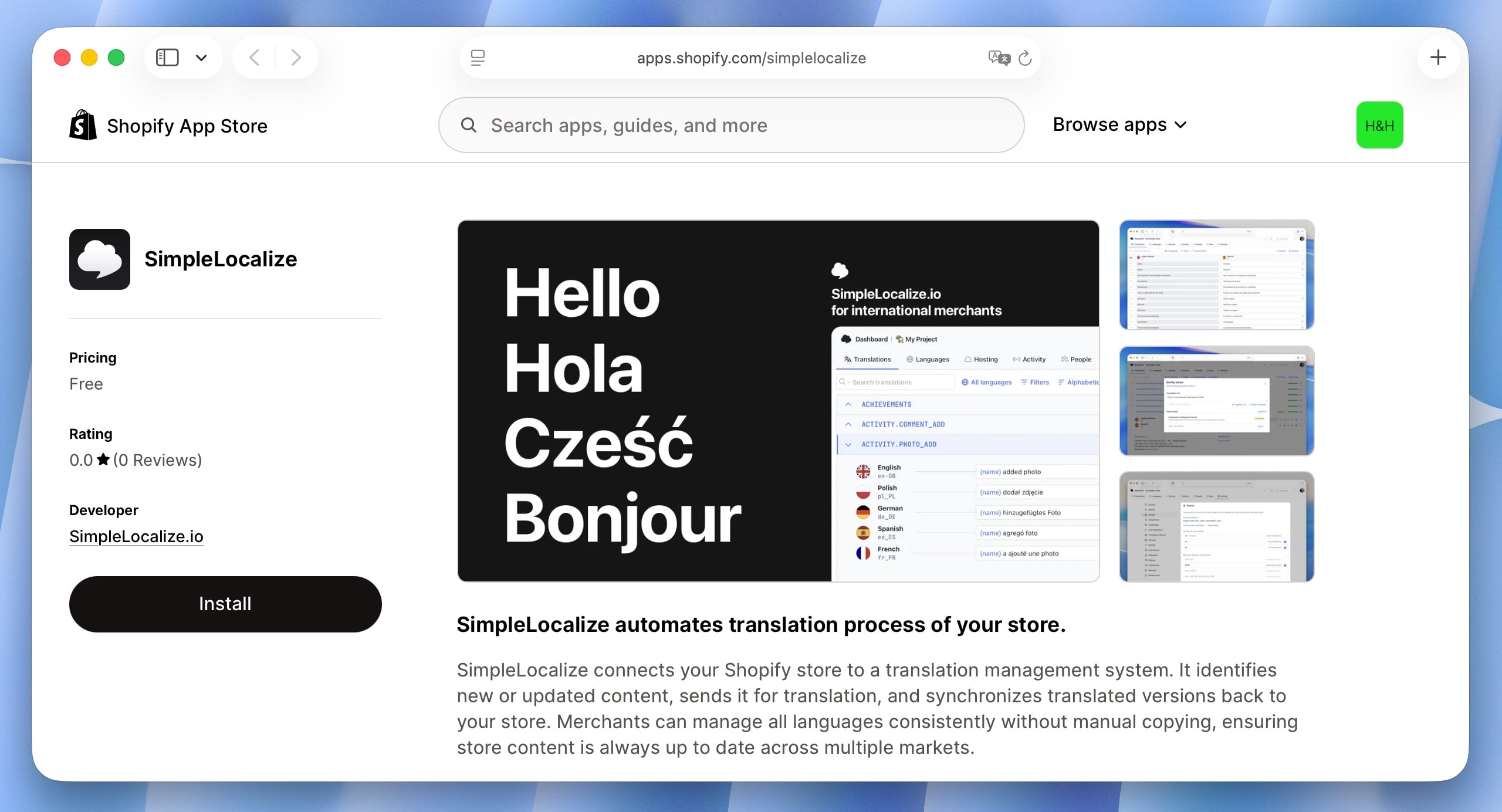
Translations added or updated in SimpleLocalize can then be pushed back to Shopify automatically. When you add a new language to your Shopify store, it’s picked up during synchronization and becomes available in SimpleLocalize without additional configuration.
This creates a reliable, repeatable translation workflow that fits naturally into day-to-day store management.
Learn more in our Shopify integration documentation.
Getting started
Here's how to set up the Shopify + SimpleLocalize integration in a few easy steps:
- Install the SimpleLocalize Shopify app from the Shopify App Store.
- Connect your store to a SimpleLocalize project.
- Choose the resources you want to synchronize: products, collections, blogs, etc.
- Click “Synchronize translations” to bring your store content into SimpleLocalize.
Once connected, every update you make in SimpleLocalize can be pushed back to Shopify automatically. Want to add a new language? Just add it in Shopify, SimpleLocalize will pick it up on the next sync.
Watch this setup video to see the integration in action:
What you can translate
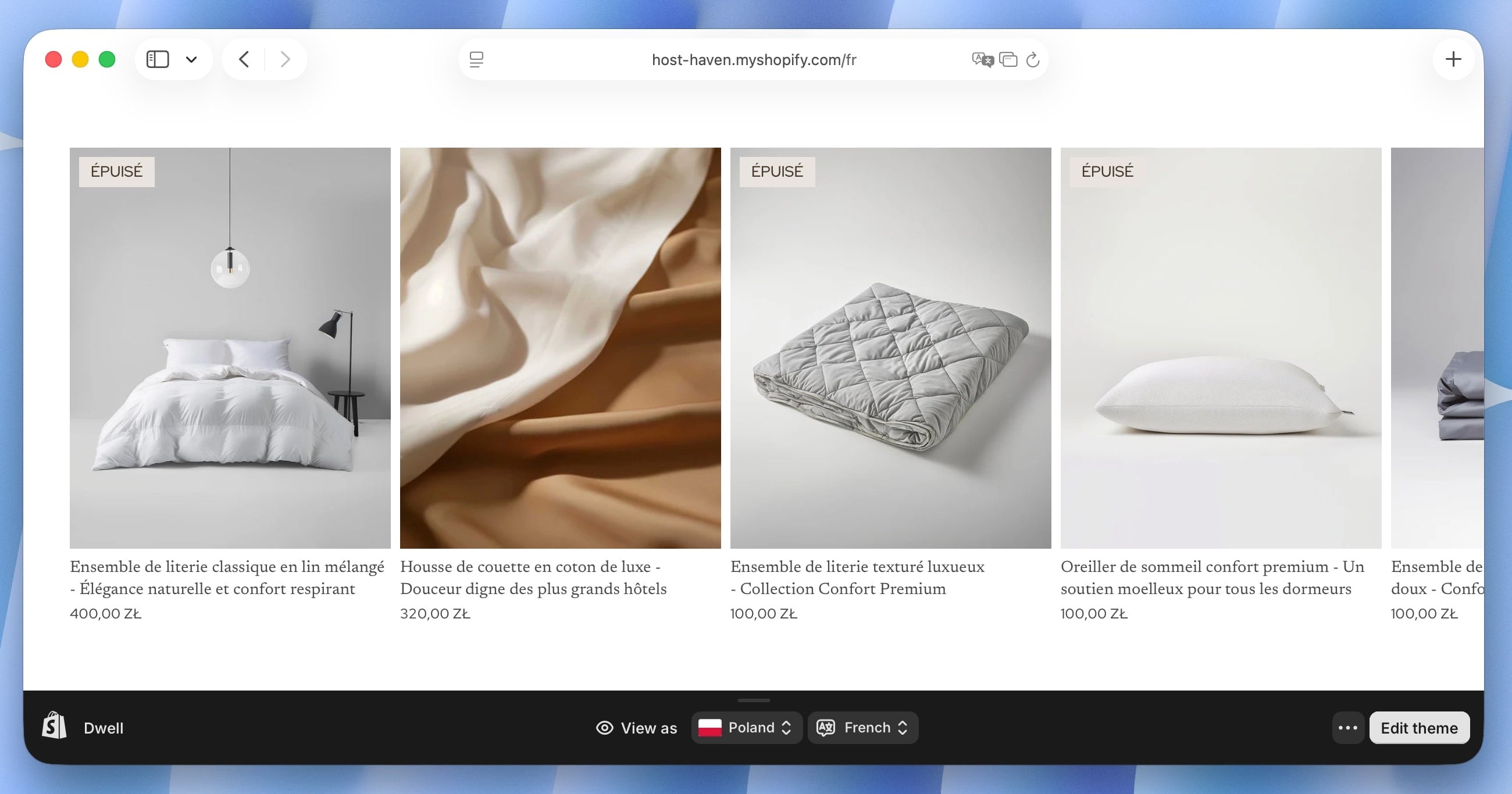
The integration supports multiple Shopify resources, allowing you to manage translations for key store content in one place, including:
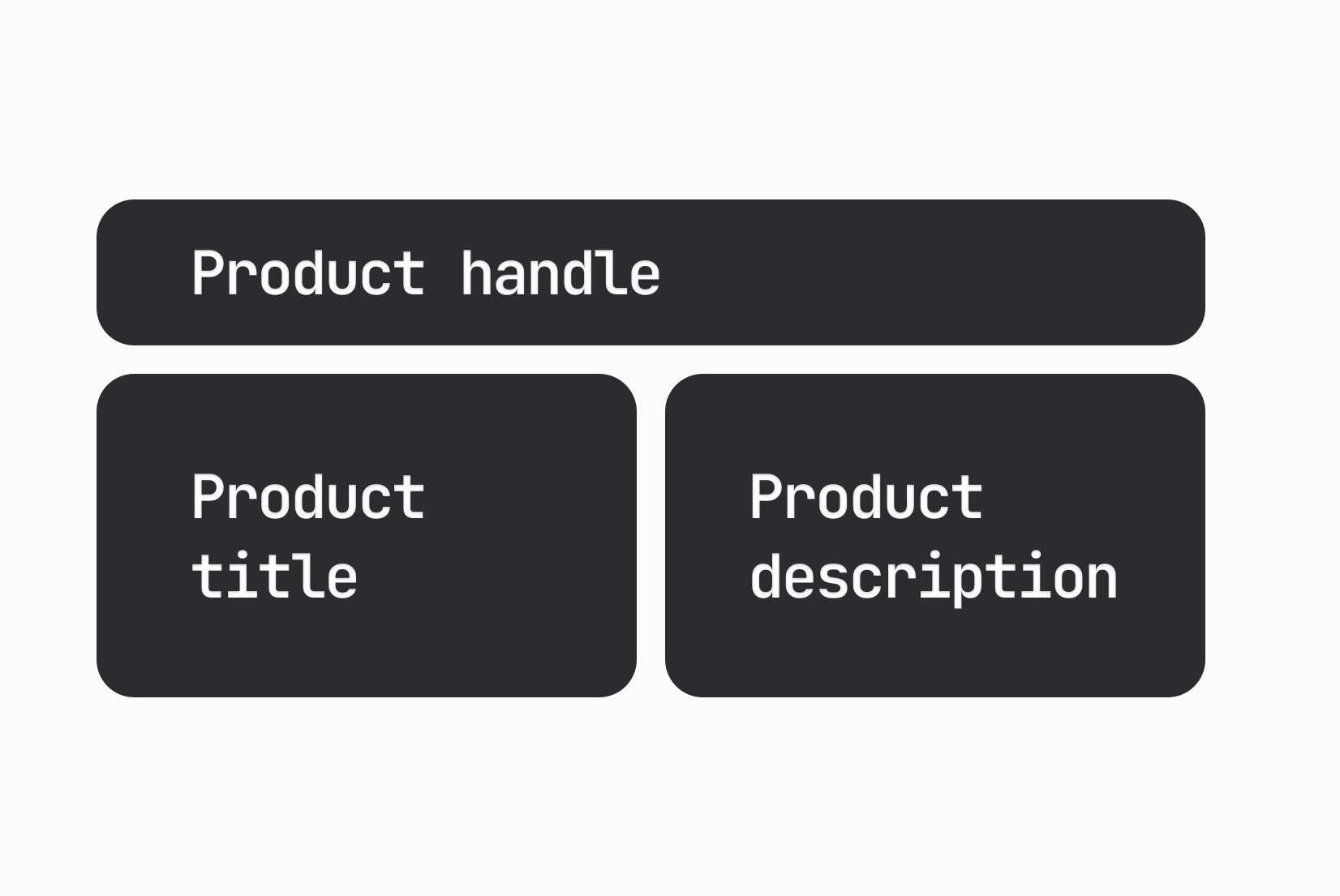
- Products: Titles, descriptions, variants
- Collections: Names, descriptions
- Pages: Content, metadata
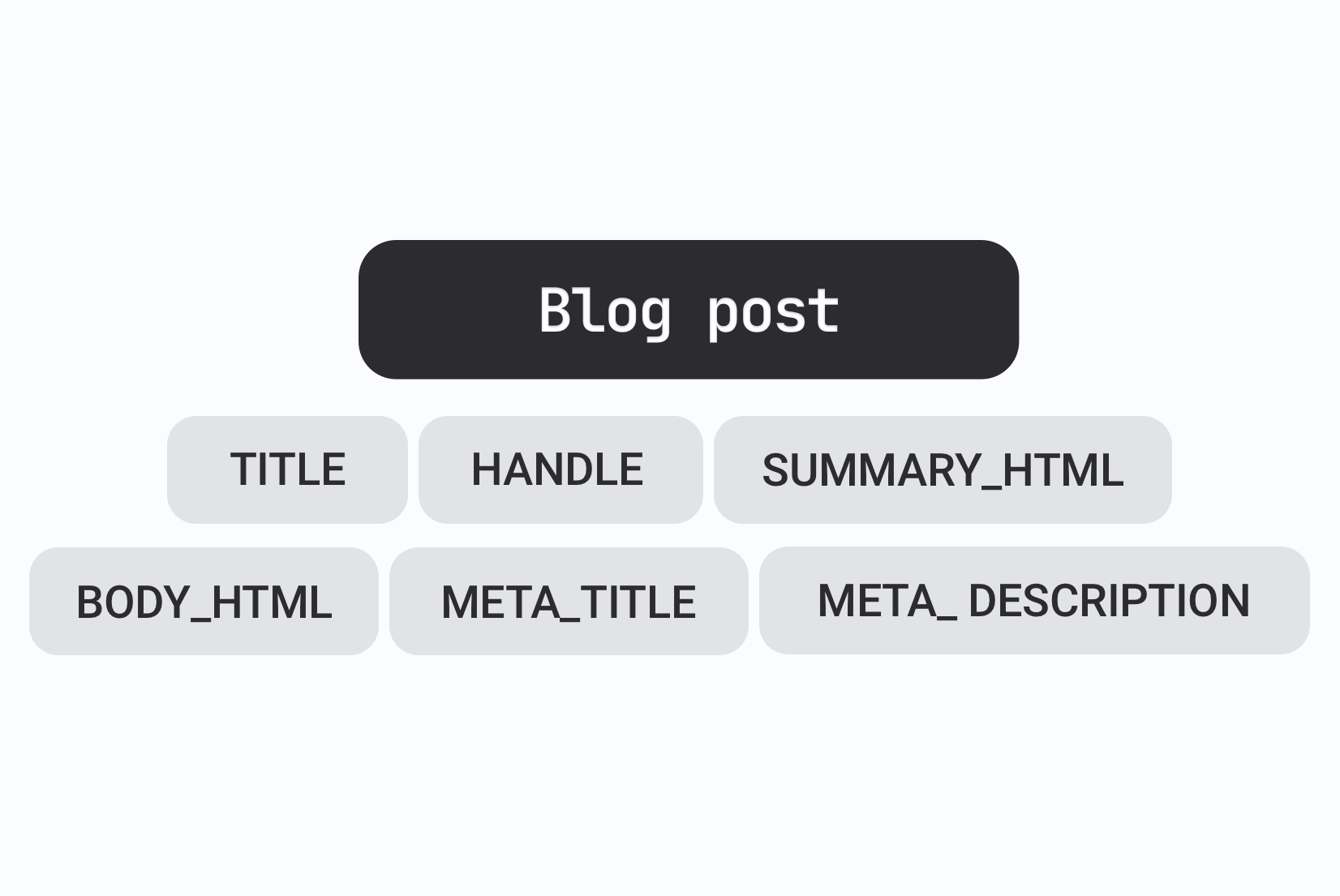
- Blog posts: Titles, content
- Navigation menus: Link titles
- Checkout and system messages
- JSON template files
All translated content stays linked to its original source, making updates and maintenance straightforward as your store evolves.
Built for real translation workflows
SimpleLocalize is designed to support real-world localization needs, not just basic text editing.
With the Shopify integration, you can:
- Collaborate with translators and editors in a shared workspace
- Use translation memory to maintain consistency across products and content
- Review and update translations without touching Shopify's admin
- Scale your store to new languages without duplicating effort
This is especially useful for stores with frequent content updates or multiple contributors working on translations.
Benefits for multilingual Shopify stores
By combining Shopify with SimpleLocalize, you get a translation setup that's easier to manage and ready to scale.

Key benefits include:
- Reduced manual work when managing multiple languages
- Better consistency across translated content
- Faster rollout of new languages and markets
- A single source of truth for all translations
Instead of treating translations as a one-time task, the integration turns localization into a manageable, ongoing process.
Important things to know
A few points are worth keeping in mind when using the integration:
- The default (primary) language content is still managed directly in Shopify
- Shopify supports up to 20 languages per store
- Some older Shopify themes may have limited multilingual support
These are platform limitations rather than integration constraints, and they're easy to plan around when setting up your localization strategy.
Start managing Shopify translations with SimpleLocalize
The Shopify + SimpleLocalize integration is designed to remove friction from multilingual store management. By syncing your store content with SimpleLocalize, you gain clarity, control, and flexibility over translations, without complicating your Shopify setup.
This post covers the foundation. In upcoming articles, we'll take a closer look at:
- Managing product translations
- Translating blog posts
- Best practices for multilingual SEO in Shopify
If you're ready to simplify translation management for your Shopify store, the integration is a great place to start. Sign up for a SimpleLocalize account and install the Shopify app to get going today!