Multilingual SEO checklist: What to verify before launch

Launching a new language version is easy to get partially right. The translation is done, the page looks fine, and it still doesn't rank, because one missing hreflang tag or an untranslated meta description quietly undoes the rest of the work.
This is a checklist, not an explainer. For the reasoning behind each item, see our complete guide to multilingual SEO. Use this list before launching a new locale, and again periodically as an audit of what's already live.
Technical checklist
Technical SEO is crucial for multilingual sites. Ensure the following elements are correctly implemented before launching a new language version:
- hreflang tags are present and reciprocal. Every language version references every other version, including itself.
- URL structure is consistent. Subdirectories, subdomains, or ccTLDs, pick one and apply it the same way across the whole site.
Learn more in URLs in localization.
- Canonical tags point the right direction. A fully localized page should not carry a canonical back to the source-language version, that cancels out the point of localizing it.
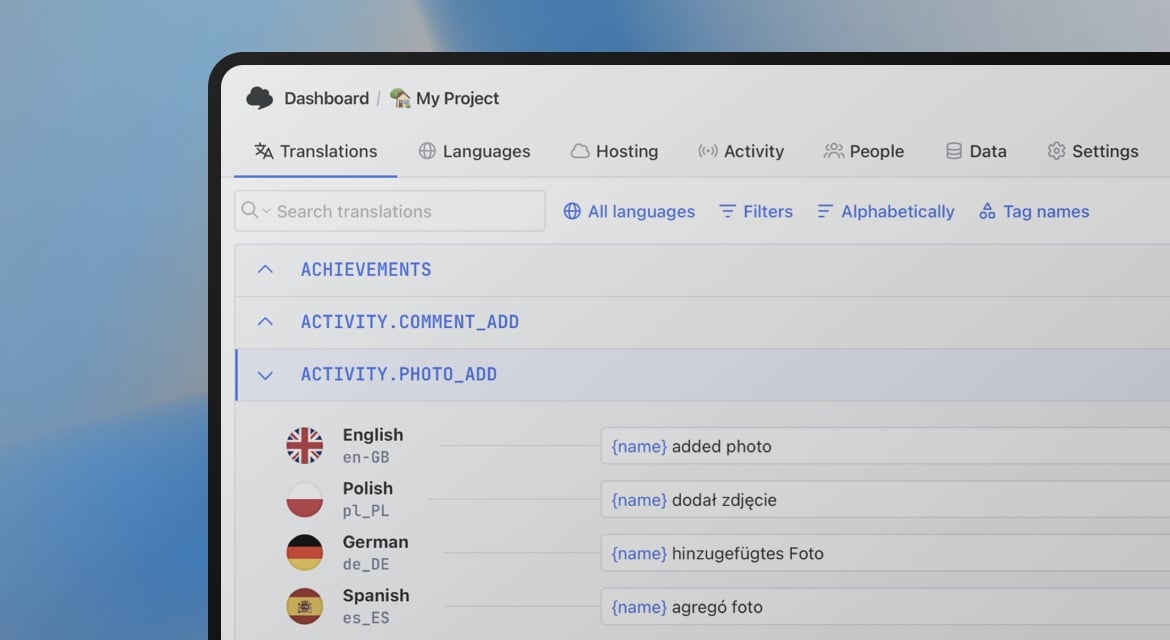
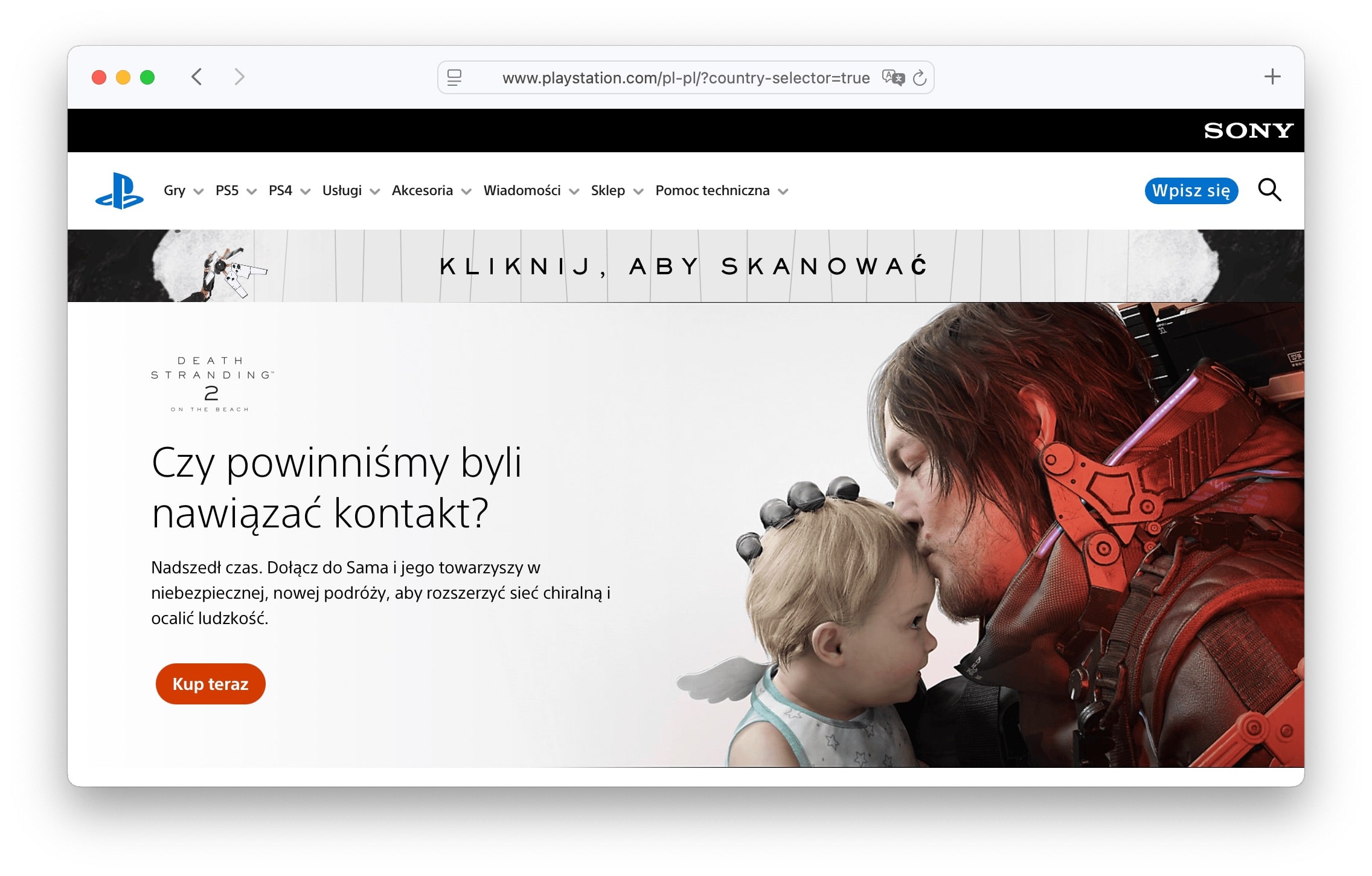
- No mixed-language pages. Navigation, buttons, and error messages are translated along with the body content, not left over from the source language.
- Metadata is localized, not just body copy. Title tags, meta descriptions, Open Graph tags, and JSON-LD structured data all carry translated, locale-formatted values.
- Numbers, dates, and currency follow local conventions.
1,234.56 USDand1.234,56 €are not interchangeable, and getting this wrong signals a rushed translation to both users and search engines. - The XML sitemap includes hreflang annotations for every language version, not just a flat list of URLs.
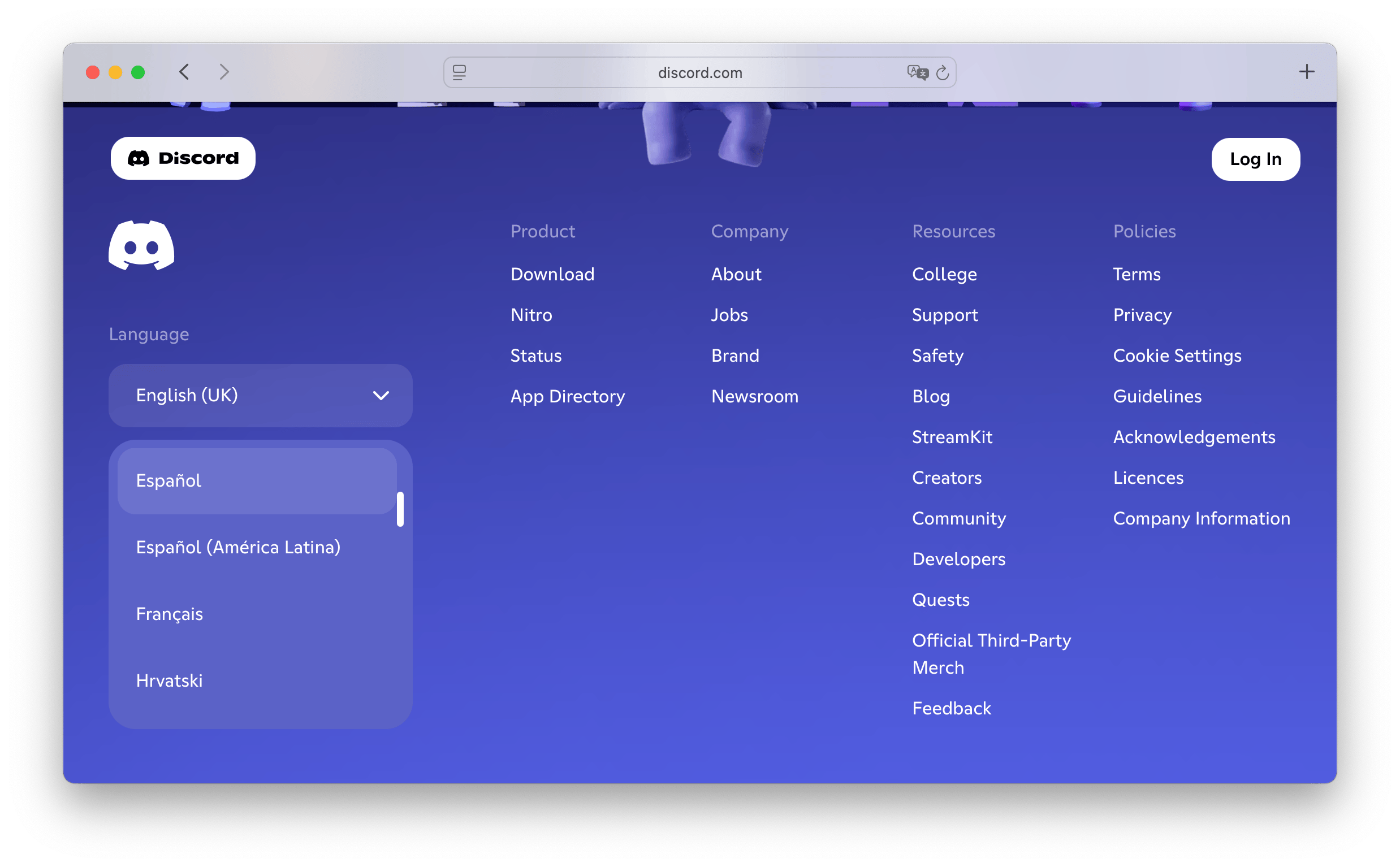
- A language selector exists and is easy to find. Native-language labels ("Deutsch," not "German"), no flags as language indicators.
Content checklist
Content is just as important as technical SEO for multilingual sites. Here are the key points to check:
- Machine-translated content has been reviewed by a native speaker before it goes live, especially anything evergreen or high-traffic.
- Keyword research was done per locale, not translated from the source-language keyword list. Search behavior, phrasing, and volume vary by market even within the same language.
- Images and videos with embedded text are localized, not just the surrounding page copy.
- Internal links point to the localized version of the linked page where one exists, rather than falling back to the source-language page by default.
- Accessibility basics are covered: alt text, captions, and general WCAG conformance for the localized version.
After launch: what to track
Once your localized site is live, it's important to monitor its performance and make ongoing improvements. Here are the key metrics and areas to track:
- Organic traffic segmented by locale, not blended into one aggregate number.
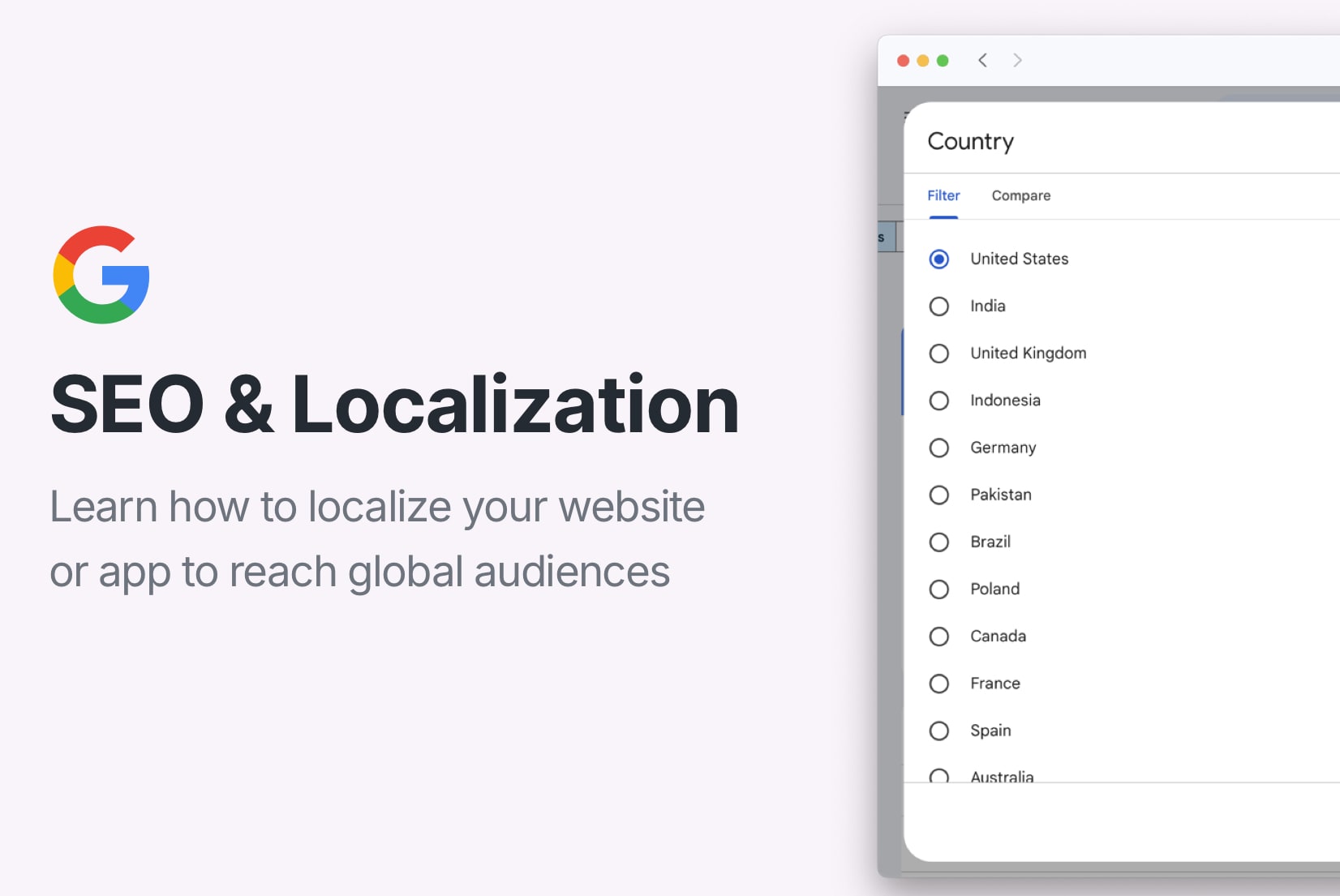
- Search Console filtered by country and query language, not read from the all-markets overview.
- Conversion rate per locale. Traffic without conversion in a specific market usually points to a problem past the landing page, not a ranking problem.
- Missing or outdated translations, flagged and fixed on an ongoing basis rather than treated as a one-time launch task.

Conclusion
Most of what tanks a new language's SEO isn't one big mistake, but a handful of small items left unchecked: a missing hreflang tag, an untranslated meta description, a canonical pointing the wrong way. Run this list before launch and again a few weeks after, once real search data starts coming in.
For the concepts behind each item, start with the multilingual SEO guide.