 VS Code Extension available! Install now
i18n editor for developers
A web-based i18n editor built for developer workflows. Import JSON, YAML, PO, ARB, XLIFF, and 20+ formats. Connects to React, Next.js, Flutter, iOS, Android, and your CI/CD pipeline.

- Auto-translation
- Screenshots with OCR
- AI-powered adjustments
- Built-in Automations
- Markdown support
- Variables highlighting
- Bulk Actions
- Context-aware translations
- Acceptance statuses
- Quality checks
- Comments & mentions
- Real-time collaboration
Trusted by developers and translators at














How developers use the i18n editor
From importing translation files to publishing via CDN, the editor is a core part of the software localization workflow and fits directly into your existing developer toolchain.
Import & export files
Upload JSON, YAML, XLIFF, PO, ARB, Android XML, iOS Strings, and 20+ other formats. Export back in whatever your framework needs.
CI/CD integration
Sync translation keys automatically via GitHub Actions, GitLab CI, or Bitbucket Pipelines. Keep translations in sync with every release.
CLI-first workflow
Use the SimpleLocalize CLI to upload, download, auto-translate, and publish translations directly from your terminal.
Keys & namespaces
Organize translations with namespaces that map to your codebase structure. Load only the namespaces your page needs for better performance.
i18n editor features
Everything you need to manage translations for your application, from a single key to thousands of strings across dozens of languages.
Framework integrations
Built for your i18n stack
The i18n editor works with the libraries and frameworks you already use with no migration, no lock-in.
Explore the editor
A closer look at the features that make SimpleLocalize
the i18n editor developers choose.
Context Actions
Custom built context menu actions for the translation editor allow you to perform actions quickly. Share links to translation keys, copy key names, auto-translate or run AI Actions.
Auto-translation
Translate your application into multiple languages with just a few clicks. Choose from OpenAI ChatGPT, Google Translate or DeepL translation providers to translate your texts. Adding support for new languages has never been easier.
Learn more about auto-translation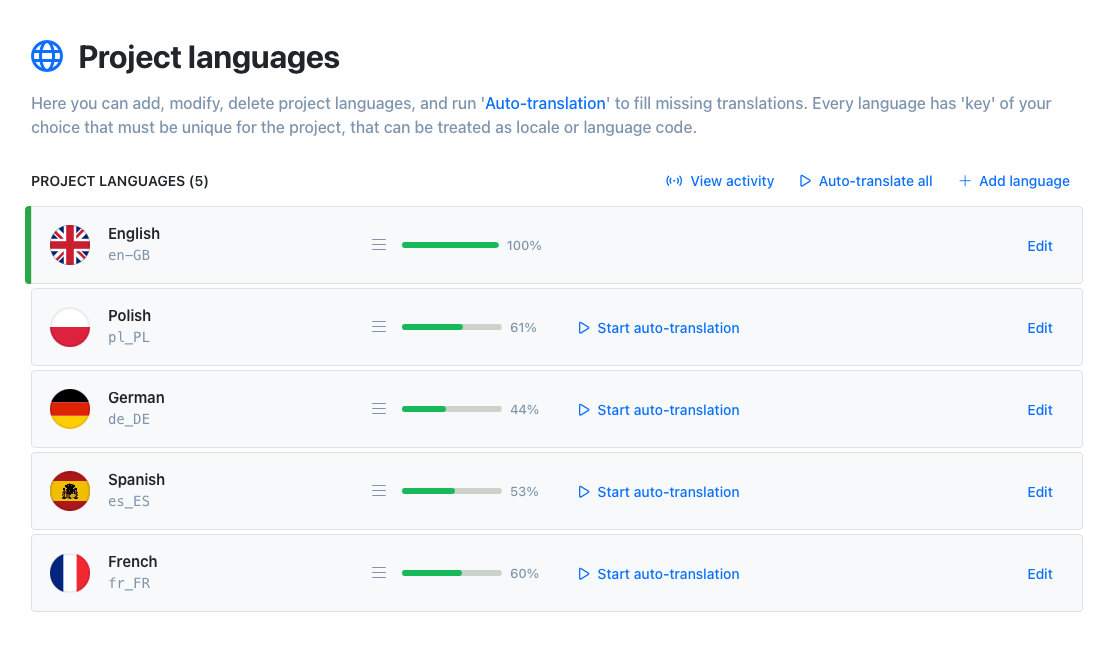
Comments
and notifications
Comments are a great way to communicate with your team. Keep track of changes and discuss translations directly in the editor. Receive email notifications about new mentions to stay up to date.
Learn more about comments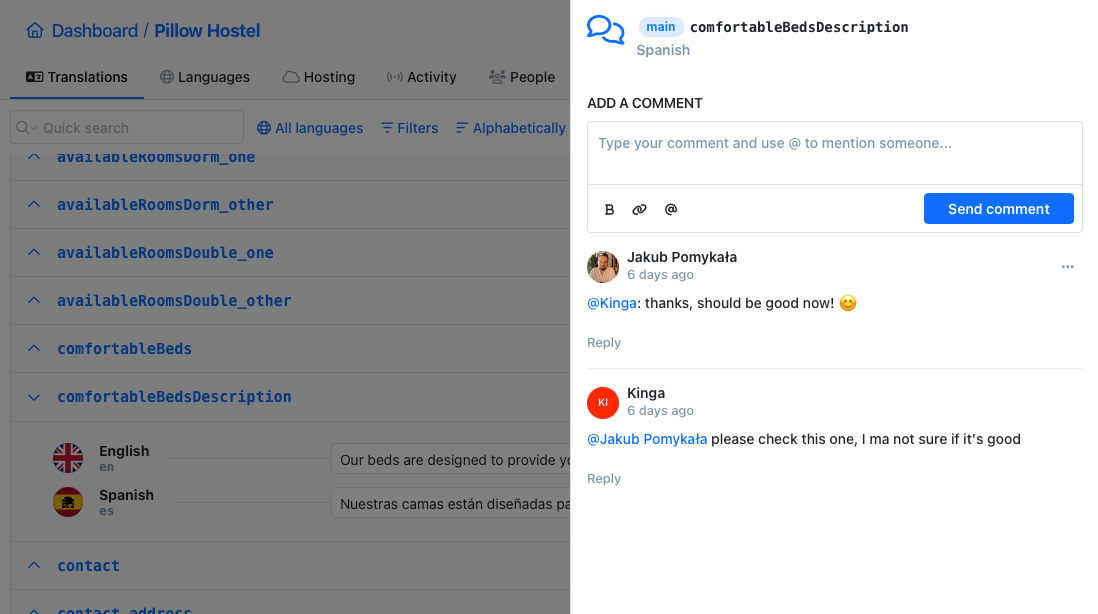

Extension for AI agents
Thanks for official MCP server extension for SimpleLocalize, you can now use your translation keys in AI agents like ChatGPT, Claude, and others. This allows you to create dynamic responses based on your translations.
Official MCP Server
"With SimpleLocalize we have been able to quickly configure our platform
for different languages, without overloading our internal resources.
Everything is done easily and automatically!"


Automate and publish translations
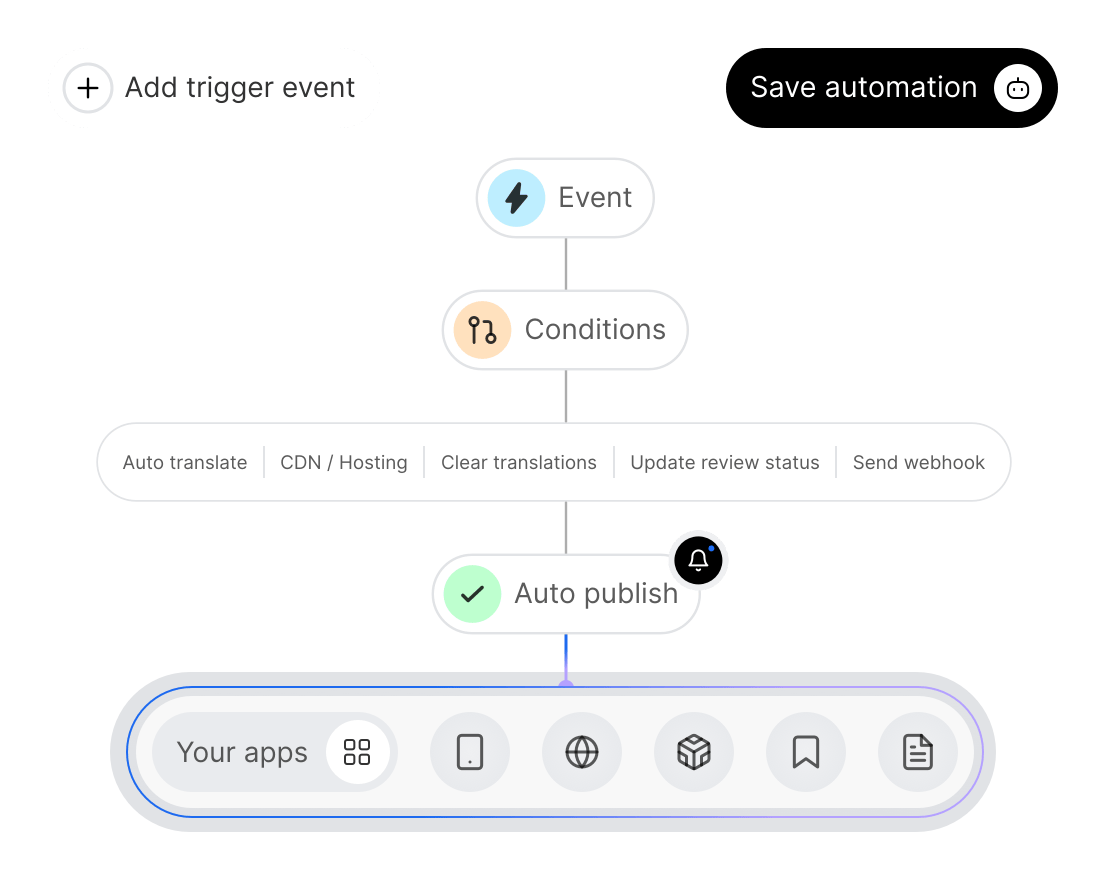
Automate translation workflows
and localize continuously for instant updates.
No-code automations
Automations set up in minutes, translations that run themselves, keeping your content always on time and perfectly in sync.
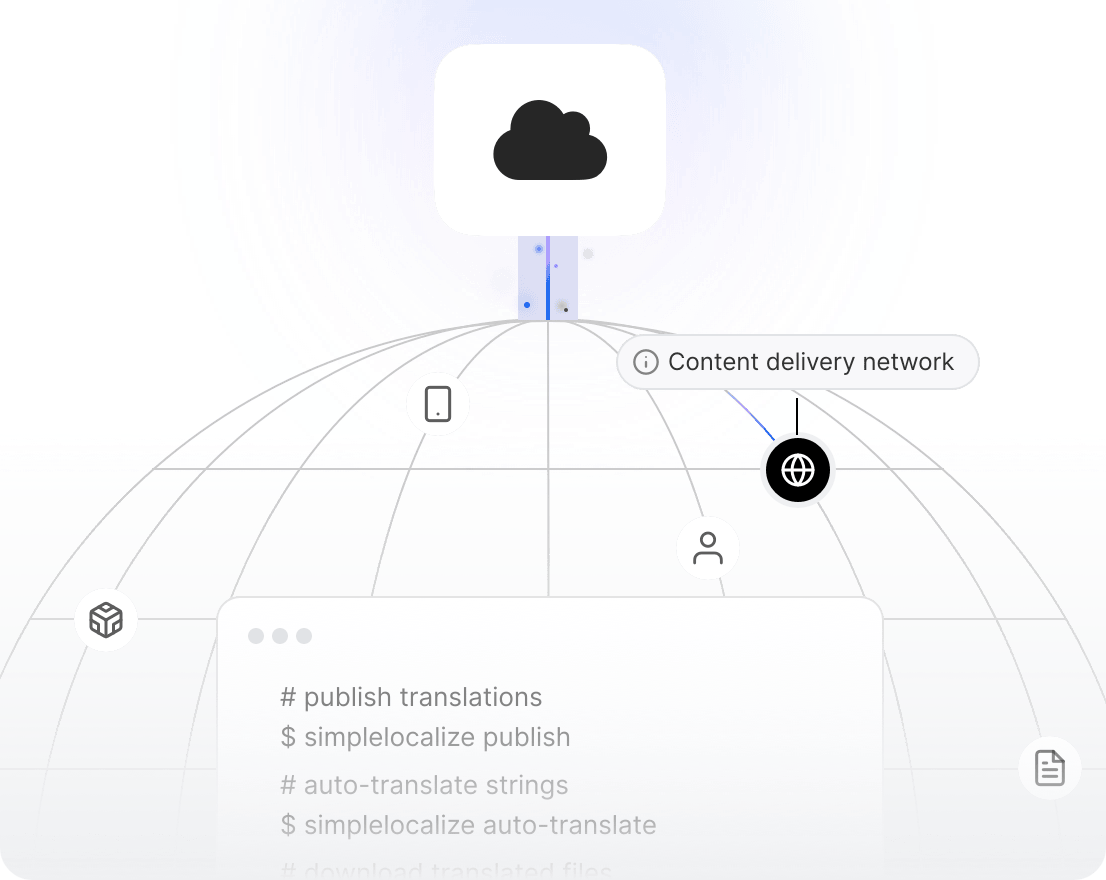
Content Delivery Network
Translation Hosting that keeps your content always available, always up to date, and new translations delivered at lightning speed.
Universal command-line tool
Localization CLI makes managing your translations more configurable, flexible, and automated than ever before.
# upload source translations
$ simplelocalize upload

# auto-translate strings
$ simplelocalize auto-translate

# publish translations
$ simplelocalize publish

# download translated files
$ simplelocalize download
Zero-dependency required.
Works natively on Windows, macOS, and Linux.

































































Works with
your favourite tools
SimpleLocalize integrates with your existing i18n library out of the box — no need to migrate, rewrite, or lock into a proprietary format.
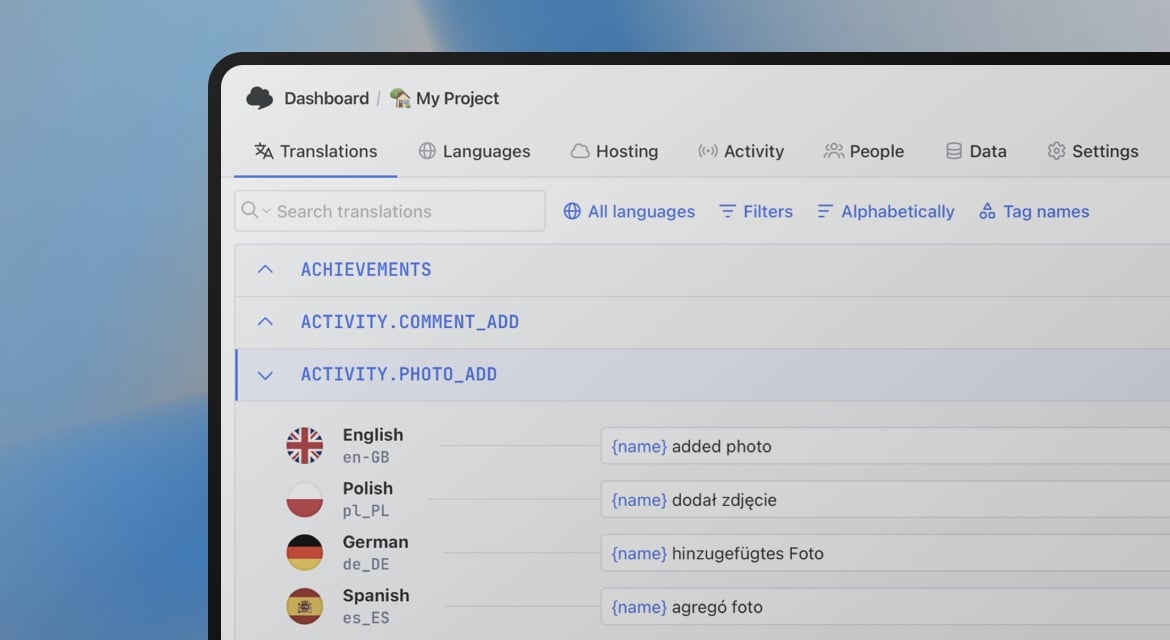
Start managing translations in the i18n editor
- Import translation files directly from your repository.
- Edit translations in a collaborative online editor.
- Run auto-translations with DeepL, Google Translate, or OpenAI.
- Export back to any format your framework expects.
- Part of a complete software localization platform
"The product
and support
are fantastic."
"The support is
blazing fast,
thank you Jakub!"
"Interface that
makes any dev
feel at home!"
"Excellent app,
saves my time
and money"
i18n editor guides and tutorials
Technical articles on internationalization, developer workflows, and using the i18n editor effectively.
Vue.js i18n: The complete guide to localizing Vue and Nuxt apps
Learn how to internationalize and localize Vue 3 and Nuxt apps with vue-i18n. Covers setup, translation files, pluralization, locale detection, lazy loading, CI/CD integration, and SimpleLocalize workflows.
Android String resources: Complete guide to localizing Android apps
Learn how to manage Android string resources, plurals, and arrays. A technical guide to localizing Android XML files with SimpleLocalize for seamless translation workflows.

How to make a website multilingual: A developer's implementation guide
A practical guide for developers: how to internationalize a web app, set up translation files, implement locale detection, handle formatting, and manage translations across releases.
The complete technical guide to Internationalization (i18n) & Software localization
Everything developers need to know about internationalization (i18n) and software localization. Architecture patterns, file formats, frameworks, RTL, CI/CD, testing, and multi-tenant localization for SaaS teams.
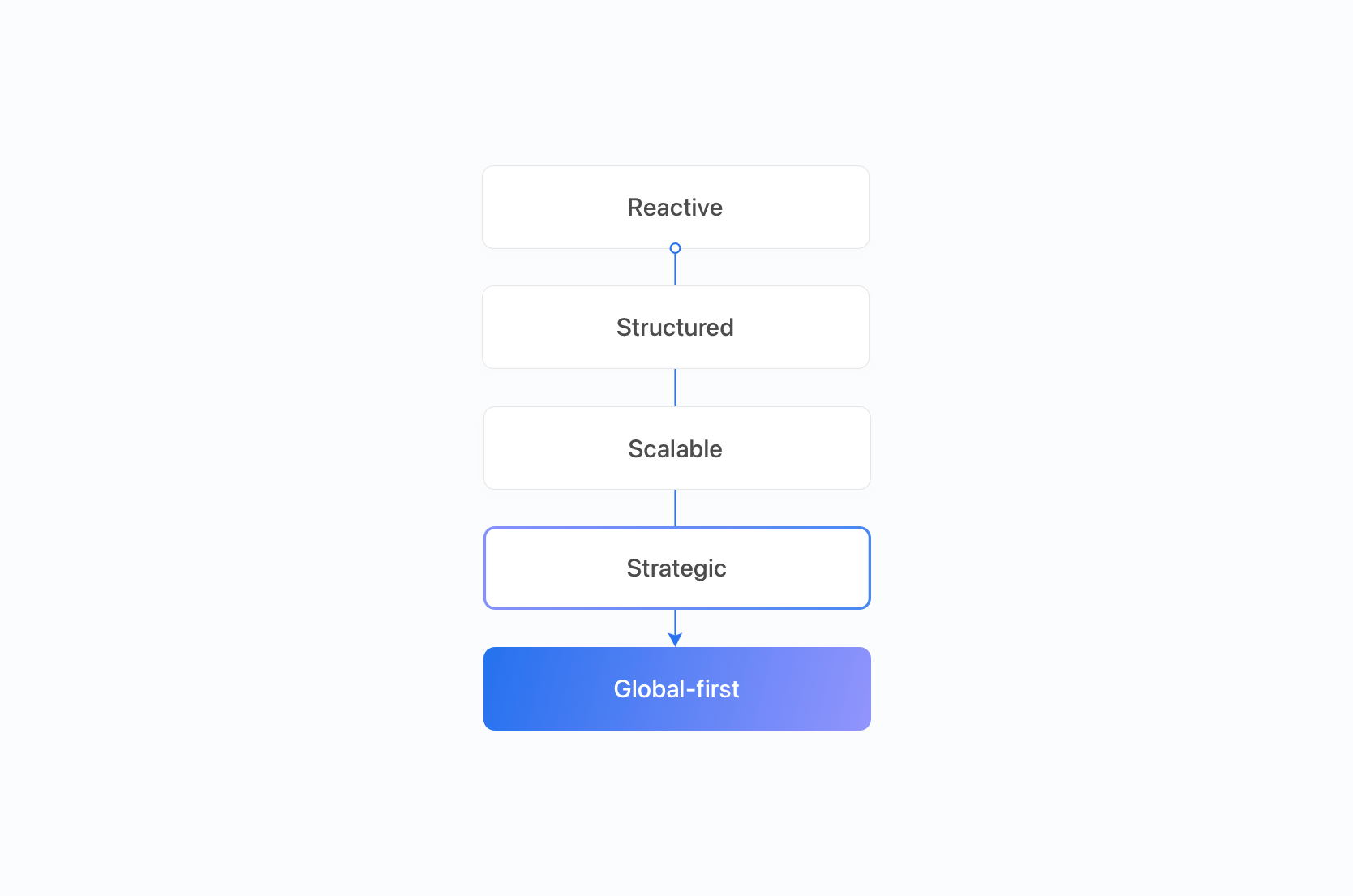
Localization maturity model: 5 stages of scalable global growth for SaaS
Discover the 5 stages of the localization maturity model for SaaS. Learn how workflows, budgets, tooling and QA evolve from reactive translation to global-first strategy.
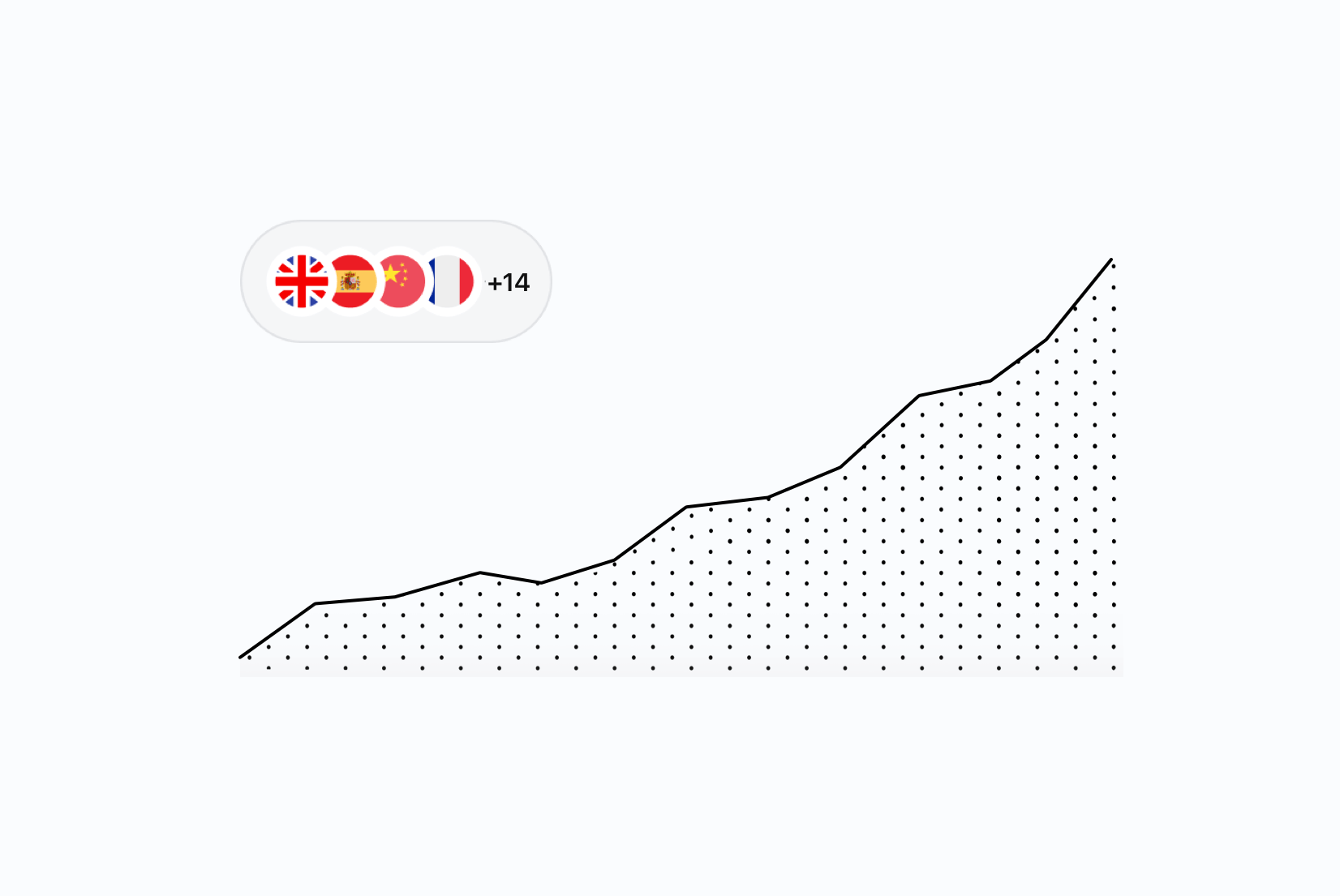
Localization strategy for global SaaS growth: Scaling beyond basic translation
Learn how to scale localization for global SaaS growth. Prioritize markets, automate workflows, enforce governance, and measure localization ROI effectively.
Localization vs Internationalization vs Translation: Key differences for SaaS teams
What's the difference between localization, internationalization (i18n), and translation? Practical SaaS examples for product and engineering teams.
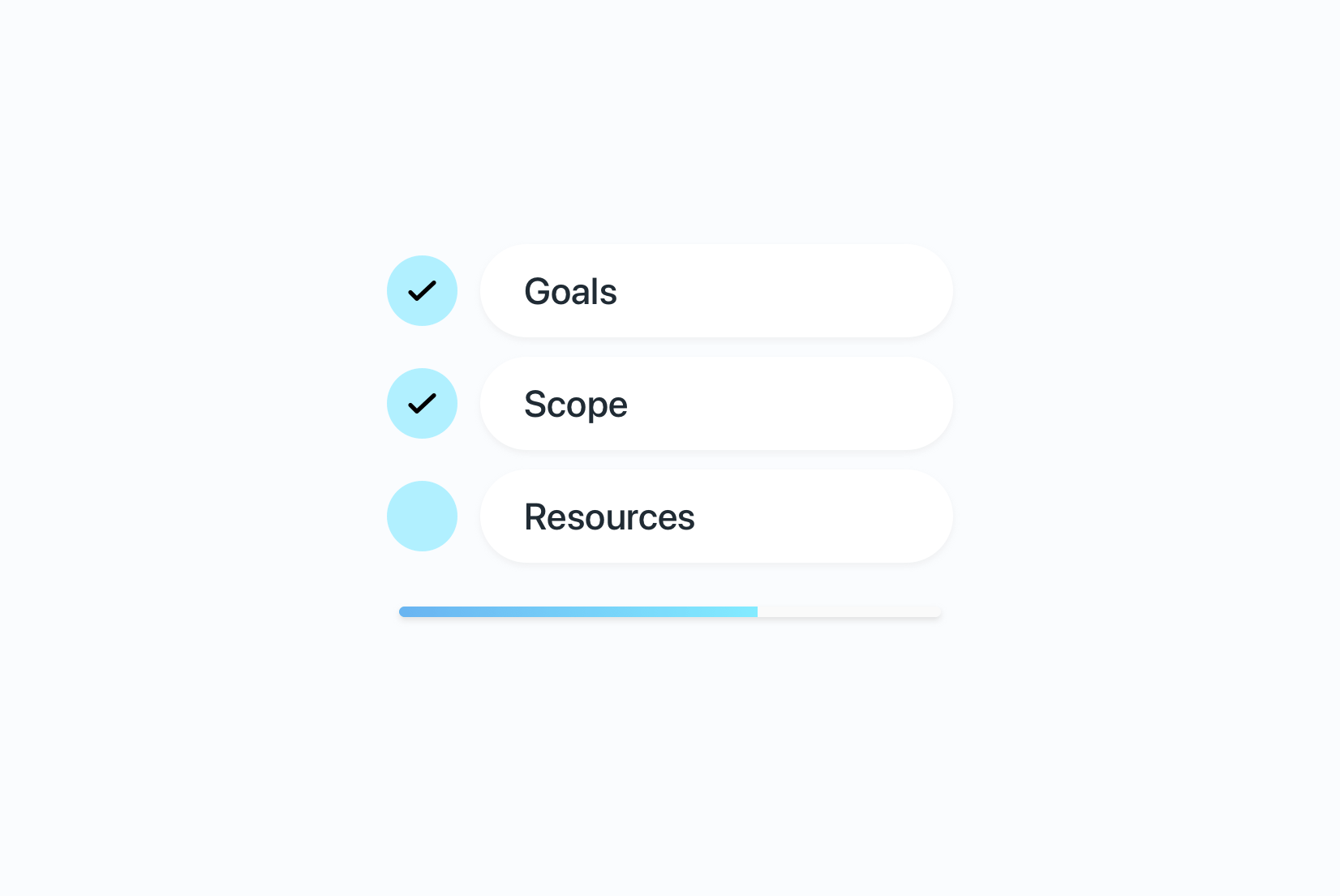
SaaS localization readiness checklist: Is your product ready to go global?
Ensure your product is ready for global expansion. Use our Localization Readiness Checklist to evaluate your team, tech, content, and processes before translating.
Localization strategy for SaaS: The complete guide for product & dev teams
Learn how to build a scalable localization strategy for SaaS and software teams. Workflows, i18n, metrics, pitfalls, and real examples.
What is an i18n editor and why do developers need one?
An i18n editor (internationalization editor) is a web-based tool for managing translation files used in software projects. Instead of editing raw JSON, YAML, or PO files by hand — and risking syntax errors, missing keys, or merge conflicts — developers use an i18n editor to manage all translations in a structured, visual interface that understands file formats, namespaces, and languages.
SimpleLocalize provides an online translation editor designed specifically for developer workflows. Import your translation files directly from your repository using the CLI or REST API, edit translations in a collaborative editor, run auto-translations with DeepL, Google Translate, or OpenAI, and export back to any format your framework expects. It fits into your continuous localization pipeline as part of a complete software localization platform.
Supported file formats: JSON, YAML, PO, ARB, XLIFF, and more
The SimpleLocalize i18n editor supports over 30 translation file formats out of the box. You can import JSON (single-language and multi-language), YAML, XLIFF, PO/POT, ARB (Flutter), Android XML, iOS Strings, Java Properties, PHP arrays, CSV, Excel, and many more. Import in one format and export in another — the editor normalizes everything internally so you can work with translations regardless of the source format.
This format flexibility means you can manage translations for a React frontend (JSON), an Android app (XML), and an iOS app (Strings) all in the same project, using namespaces to keep them organized.
Framework integrations: React, Next.js, Flutter, iOS, Android
SimpleLocalize integrates with the i18n libraries and frameworks developers already use. For React and Next.js, it works with i18next, react-intl (FormatJS), next-translate, and next-intl. For Flutter, it imports and exports ARB files used by Flutter's intl package. For iOS and macOS, it handles .strings and .stringsdict files. For Android, it manages strings.xml resource files. It also supports Angular (ngx-translate), Vue (vue-i18n), and Ruby on Rails (YAML locales).
Browse the full list of integrations to find setup guides for your stack. Each integration page explains how to configure the CLI, map file formats, and set up auto-syncing.
How the i18n editor fits into CI/CD pipelines
The most efficient way to use an i18n editor is as part of a continuous localization pipeline. After each build or merge, your CI job uses the SimpleLocalize CLI to upload new or changed translation keys. Translators and auto-translation fill in the strings. A subsequent pipeline step downloads the translated files and commits them back, or publishes them to the Translation Hosting CDN.
This works with GitHub Actions, GitLab CI, Bitbucket Pipelines, or any runner that can execute shell commands. The CLI wraps the REST API into simple commands — upload, auto-translate, download, and publish — so integration takes minutes, not days.
Managing translation keys and namespaces
As projects grow, flat key lists become unmanageable. The SimpleLocalize i18n editor supports namespaces — logical groupings that map to your codebase structure (e.g., common, dashboard, emails). You can filter, search, and bulk-edit keys within a namespace, and export each namespace as a separate file if your framework requires it.
Tags add another layer of organization. Tag keys by feature, release, or team to quickly find what you need. Combined with the editor's search, filters, and context actions, managing thousands of translation keys stays fast and predictable.
i18n editor vs editing translation files manually
You can manage translations by editing JSON or YAML files in your IDE. But manual workflows break down as the project scales: keys go missing in some languages, merge conflicts pile up, and there is no visibility into translation status. An i18n editor solves this by providing a single source of truth where every language, key, and namespace is visible at a glance.
With SimpleLocalize, you also get built-in auto-translation, review workflows, comments, activity tracking, and CDN publishing — features that would require significant custom tooling to replicate.
Frequently asked questions
What file formats does the i18n editor support?
SimpleLocalize supports over 30 file formats including JSON (single and multi-language), YAML, XLIFF, PO/POT, ARB (Flutter), Android XML, iOS Strings, Java Properties, PHP, CSV, Excel, and more. You can import in one format and export in another.
Can I use the i18n editor with React or Next.js?
Yes. SimpleLocalize integrates with i18next, react-intl (FormatJS), next-translate, and next-intl. Import your translation JSON files, manage them in the editor, and export them back in the format your library expects.
How does the editor integrate with CI/CD?
Use the SimpleLocalize CLI in your GitHub Actions, GitLab CI, or Bitbucket Pipelines workflow. The CLI uploads new keys after each build, and downloads translated files before deployment. This keeps translations in sync with every release as part of a continuous localization workflow.
Does the editor support plural forms and ICU message format?
SimpleLocalize supports ICU message format, including plural rules for languages with multiple plural forms (like Polish or Arabic). You can edit ICU strings directly in the editor with syntax highlighting and preview."
Does the editor support auto-translation?
Yes. You can auto-translate with DeepL, Google Translate, or OpenAI ChatGPT directly from the editor. Translate entire languages in bulk, fill missing translations, or use AI Actions for context-aware adjustments — all without leaving the editor.