Posts related to internationalization i18n
We found 76 posts with 'internationalization i18n' tag
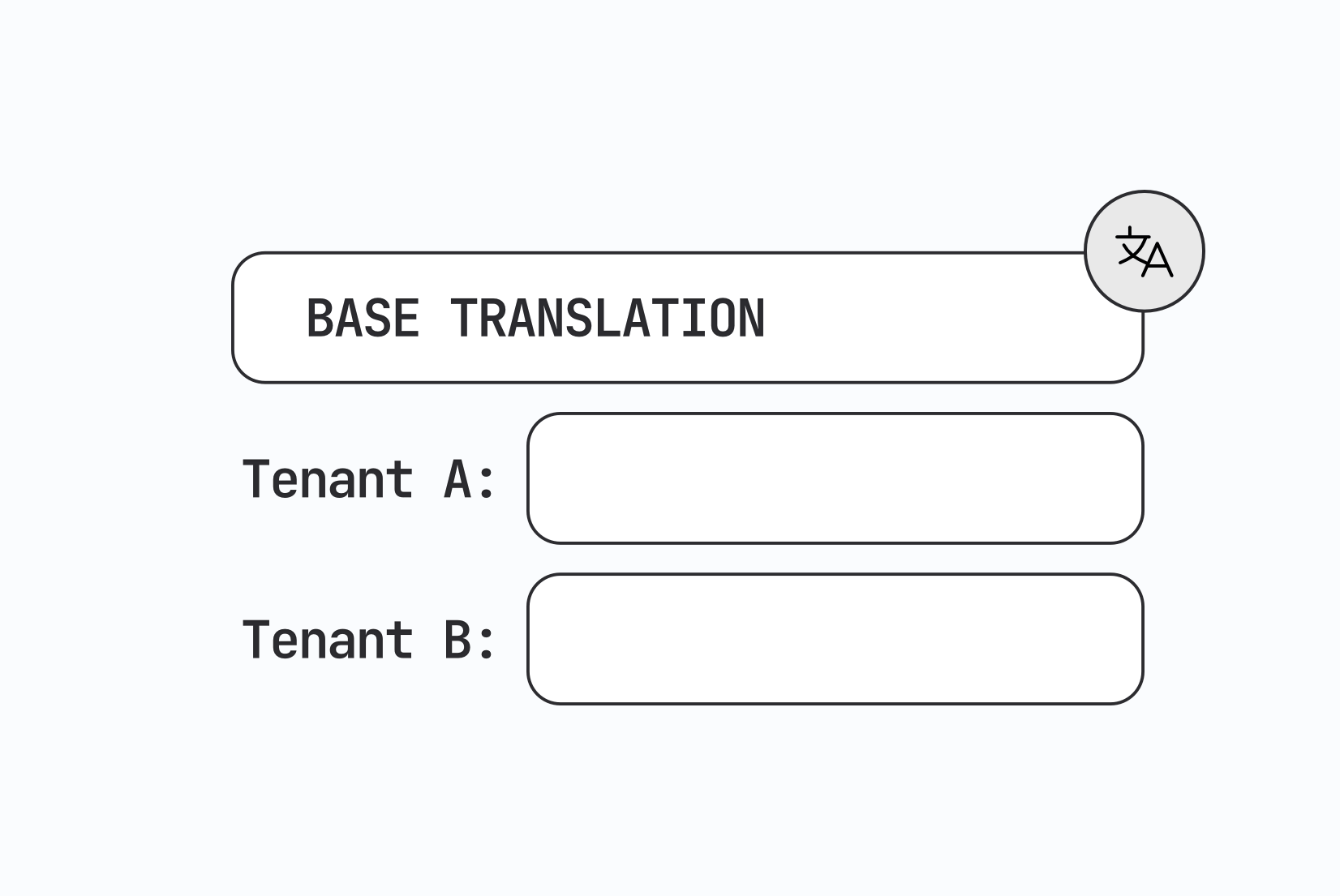
Designing multi-tenant localization systems
How to design multi-tenant localization: data models for tenant-specific translations, fallback order, CDN delivery, caching, permissions, and a working setup with customer contexts in SimpleLocalize.

Vue.js i18n: The complete guide to localizing Vue and Nuxt apps
Learn how to internationalize and localize Vue 3 and Nuxt apps with vue-i18n. Covers setup, translation files, pluralization, locale detection, lazy loading, CI/CD integration, and SimpleLocalize workflows.
Android String resources: Complete guide to localizing Android apps
Learn how to manage Android string resources, plurals, and arrays. A technical guide to localizing Android XML files with SimpleLocalize for seamless translation workflows.
Xcode String Catalog (.xcstrings): The complete guide for iOS localization
Everything developers need to know about .xcstrings string catalogs. Covers JSON schema, extractionState and translationState flags, pluralization, device variants, universal placeholders, Git merge conflict strategies, Xcode 26 AI comments, and SimpleLocalize integration.

Python and Django i18n: A practical guide for developers
How Django's built-in i18n system works: gettext, message files, plurals, locale URLs, and syncing translations with a TMS.
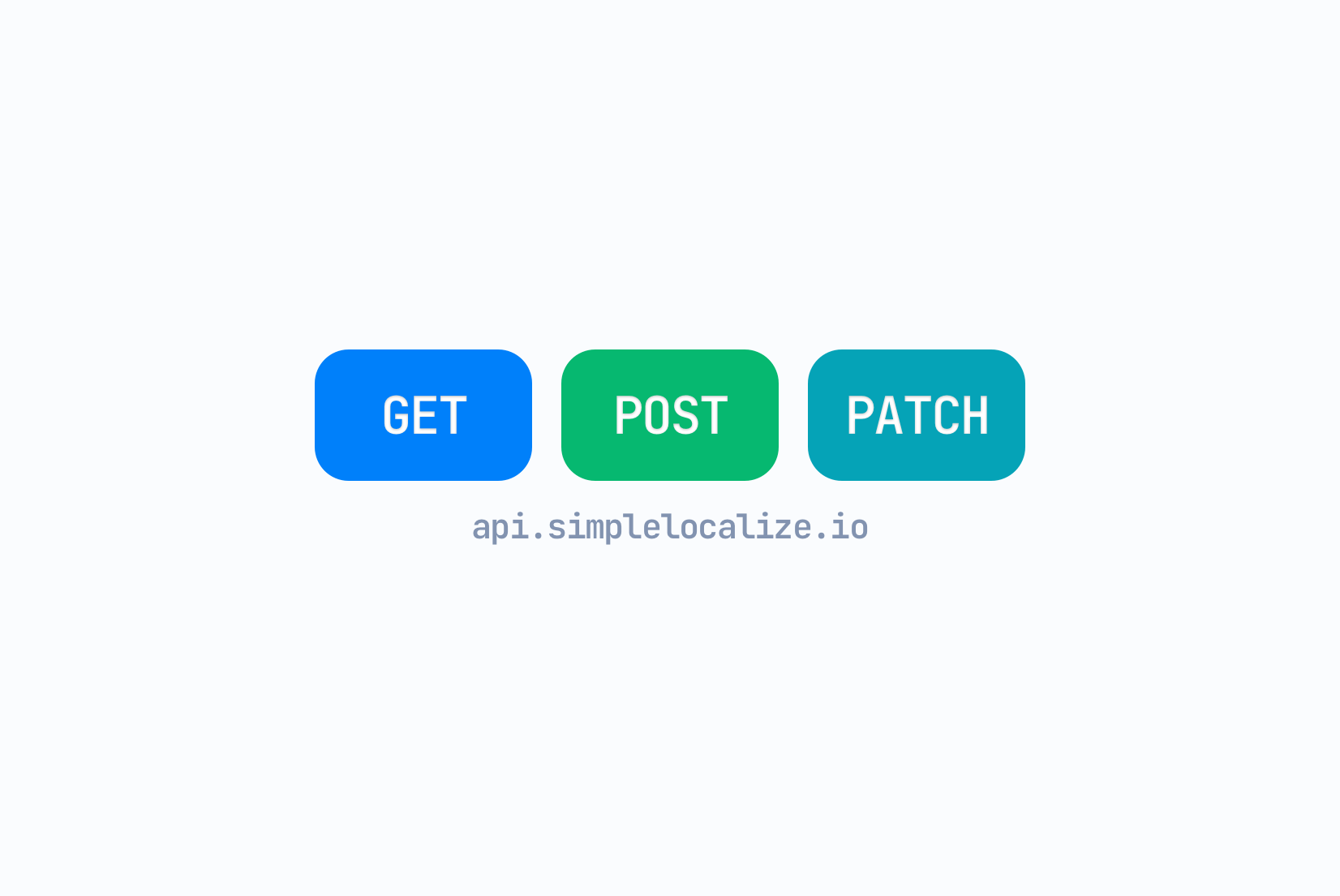
API-Driven localization: Designing scalable translation infrastructure
How API-driven localization works: architecture patterns, caching, rate limits, and when to use an API instead of CDN hosting.
Environment-based localization: Managing translations across dev, staging, and production
Learn how to manage translations differently across dev, staging, and production. Environment setup, missing key behavior, CI/CD promotion, and real workflow examples with SimpleLocalize.

Angular i18n: The complete guide to localizing Angular apps (2026)
A practical guide to Angular internationalization. Compare Angular's built-in i18n with ngx-translate and Transloco, handle pluralization, locale routing, and CI/CD.
i18n vs localization: Who owns what on your team?
Learn how to define ownership across engineering, product, and localization teams for scalable translation workflows.
next-intl guide for Next.js: Practical i18n architecture with SimpleLocalize
A practical next-intl guide for Next.js App Router: routing, request config, static rendering, type-safe messages, and a production workflow with SimpleLocalize.
react-i18next vs next-intl: Which should you use for React localization?
react-i18next and next-intl are the two most common choices for React localization. Here's a concrete breakdown of how they differ, when each fits, and how both integrate with SimpleLocalize.
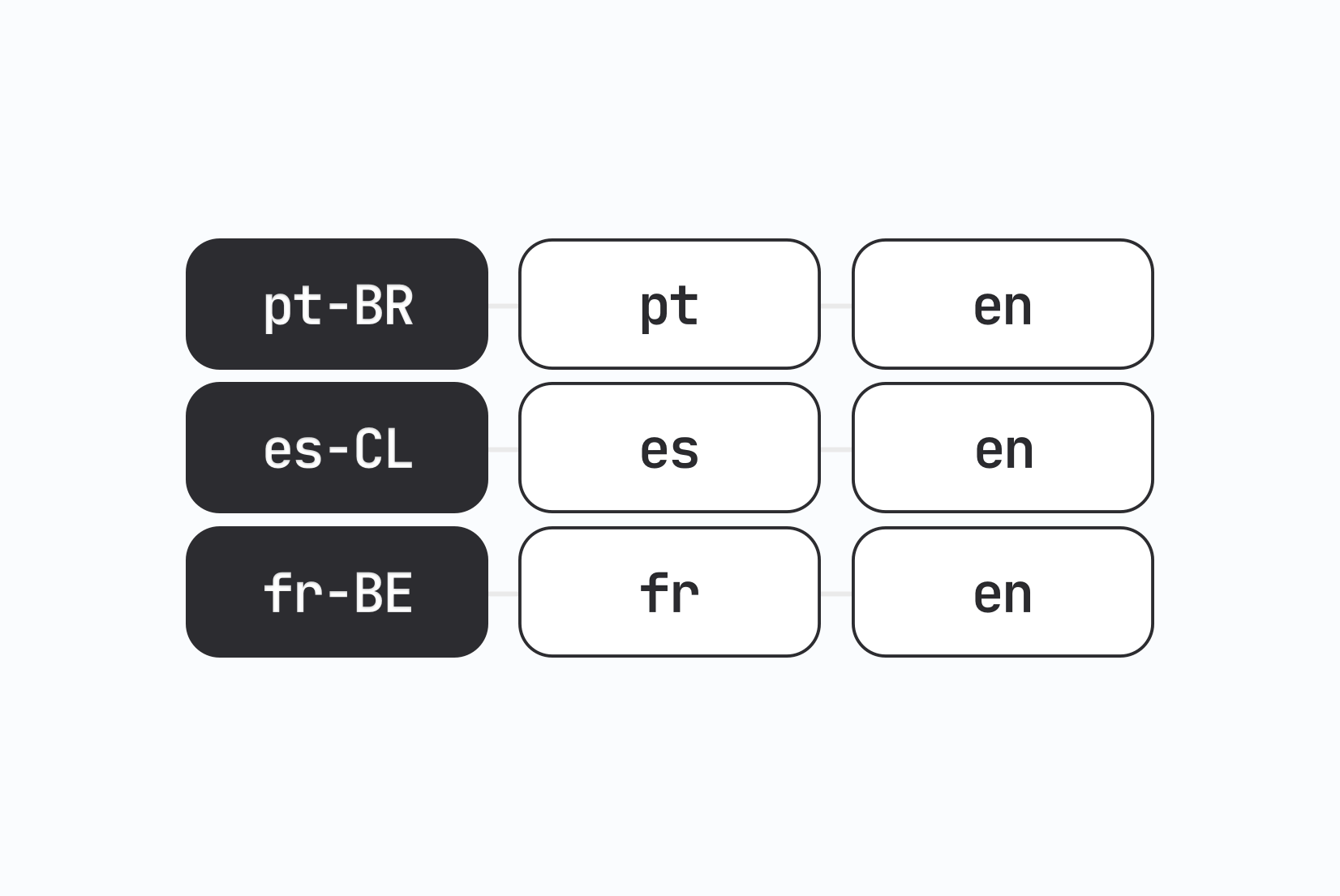
Fallback languages and regional variants: How to handle them correctly
Missing translations and regional variants are inevitable in any multilingual app. Learn how to configure fallback chains, manage locale variants like pt-BR vs pt-PT, and avoid the silent failures that frustrate users.
i18n decisions that affect localization cost
The engineering decisions you make during internationalization directly shape what localization will cost you. Here is what to watch out for, with real examples.
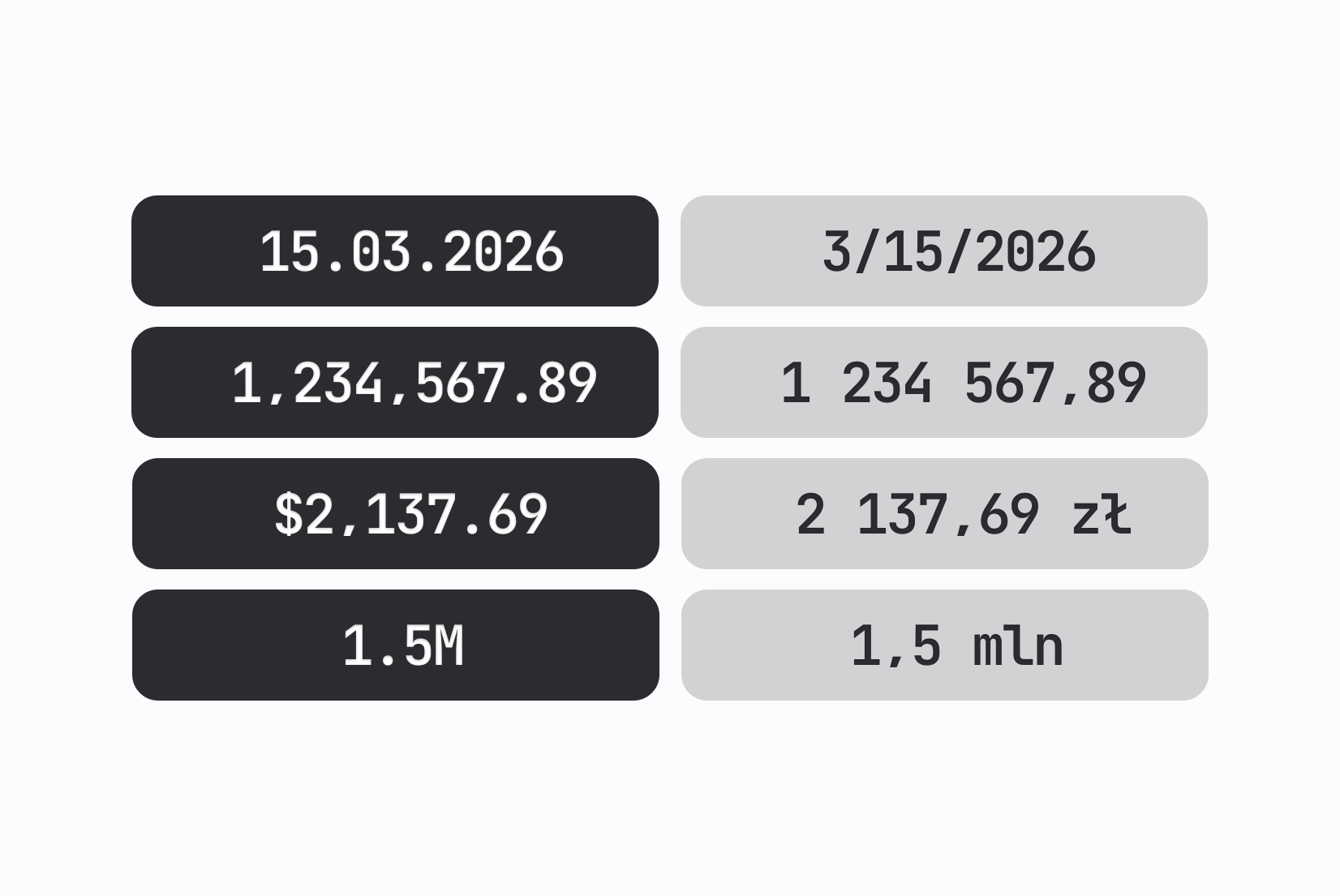
Handling dates, times, numbers, and currencies in i18n
Hardcoded date formats and number separators are among the most common i18n mistakes. This guide covers locale-aware formatting for dates, times, time zones, numbers, and currencies, with JavaScript examples and real-world pitfalls.
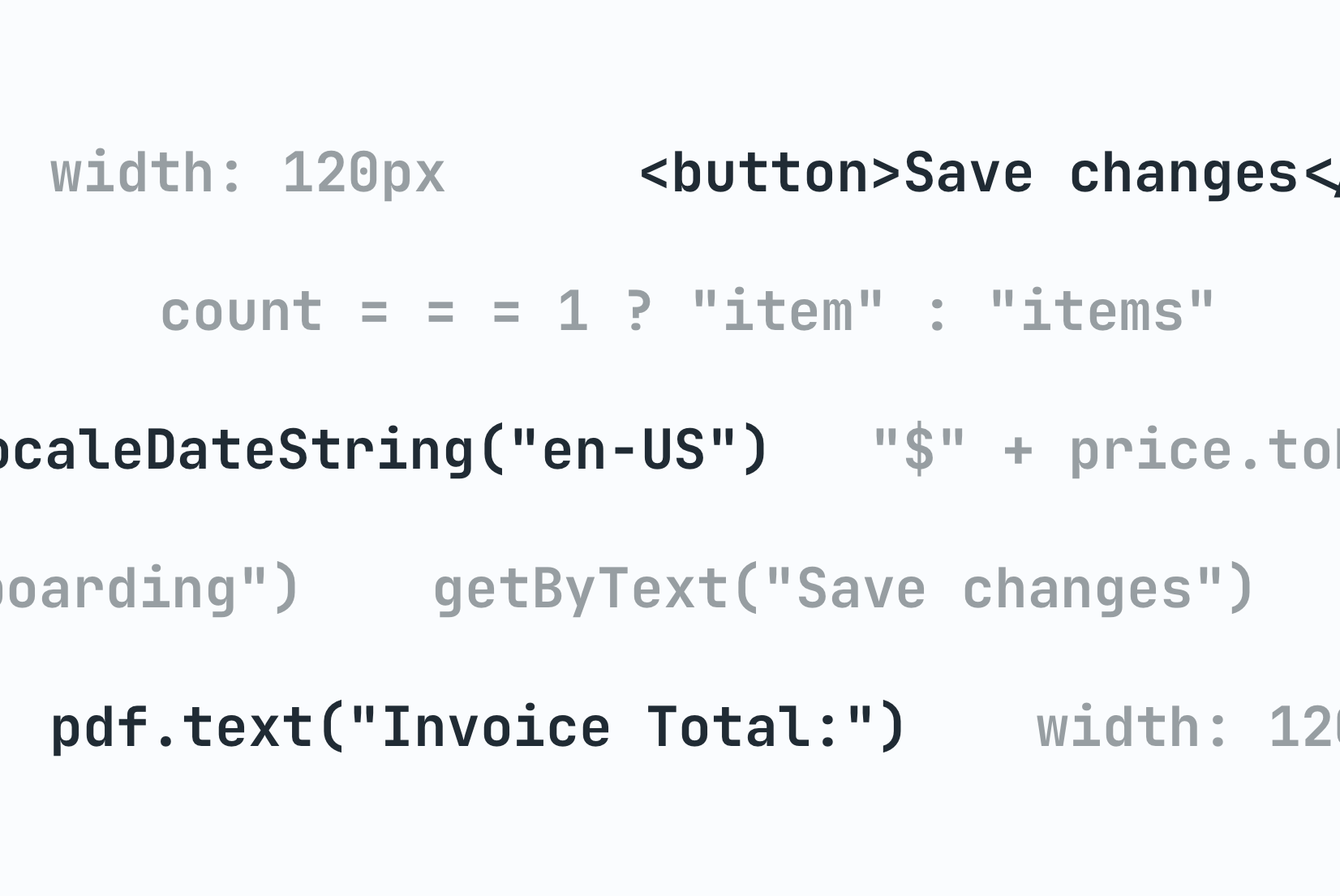
Why retrofitting i18n is expensive (and what teams discover too late)
Retrofitting internationalization into an existing codebase is one of the most expensive engineering decisions a product team can delay. Here is exactly why, with real examples of what breaks and what it costs to fix.
Internationalization for SaaS teams: A practical guide to building multilingual products
How SaaS teams approach internationalization: ownership, architecture decisions, team workflows, tooling, and how to ship multilingual features without slowing down product velocity.

Culture-aware UX patterns: Designing for global audiences
Translation alone won't make your product feel native. These culture-aware UX patterns show how layout, color, iconography, and interaction design vary across regions, and how to get them right.
Unicode traps in localization: Characters that break your app silently
Unicode characters that are invisible, look identical, or behave unexpectedly across languages. A practical guide to the encoding issues that break localized apps in ways that are very hard to debug.

Why text expansion breaks your UI and how to fix it
Translated text is almost always longer than English. Learn how text expansion breaks UI layouts, how much expansion to expect per language, and the CSS and design patterns that prevent it.
10 localization myths that hurt growth (and what to believe instead)
These 10 localization myths cost SaaS teams time, money, and market share. Learn what's actually true and how to build a strategy that scales.
Localization anti-patterns: What not to do early (and how to recover)
These localization anti-patterns cost teams weeks of rework, budget overruns, and release delays. Learn to recognize them early and avoid the most expensive mistakes.
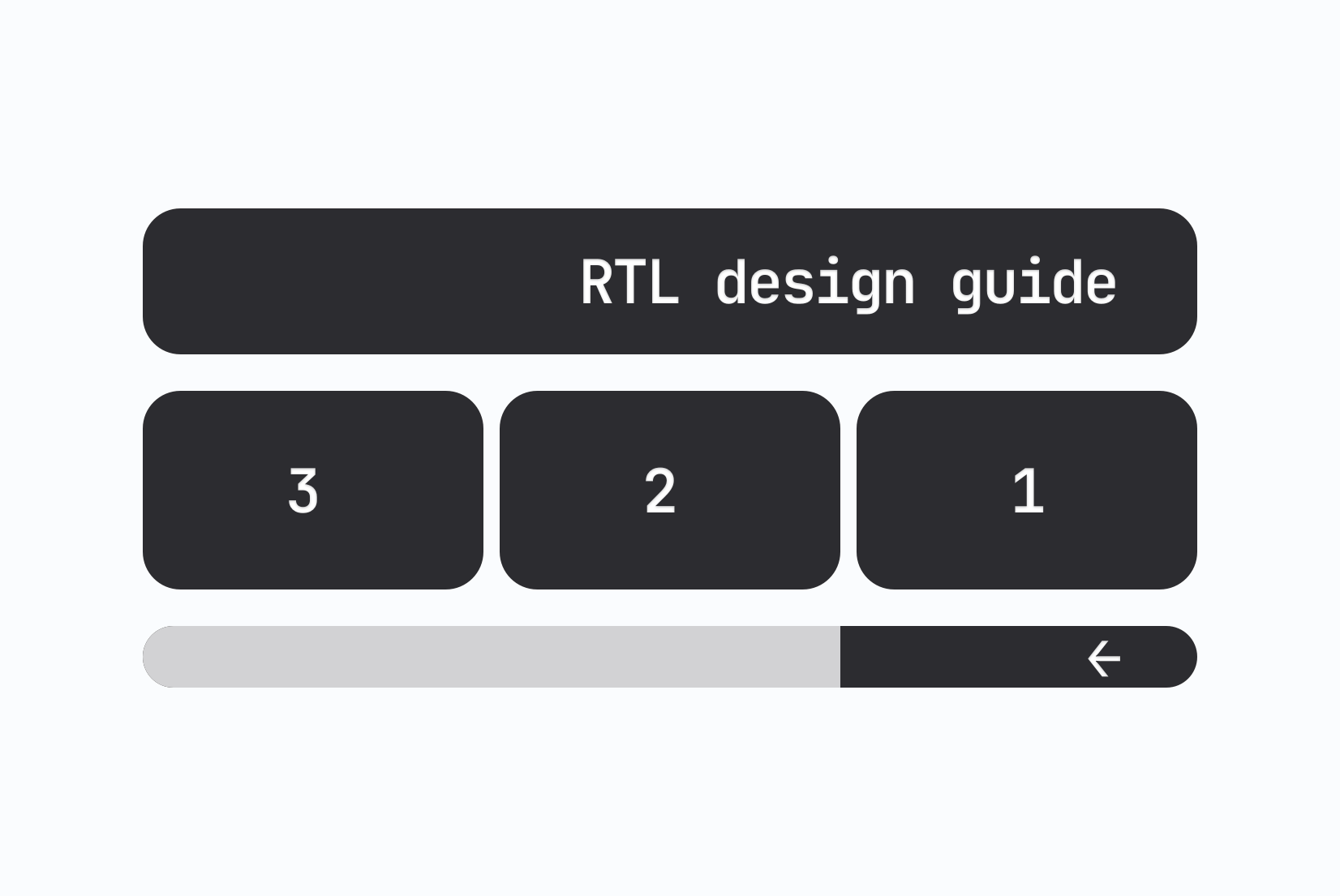
RTL design guide for developers: Bidirectional layout done right
A practical RTL design guide for developers. Learn how to implement right-to-left layouts for Arabic, Hebrew, and Persian, with real CSS examples, common mistakes, and a hotel booking UI walkthrough.
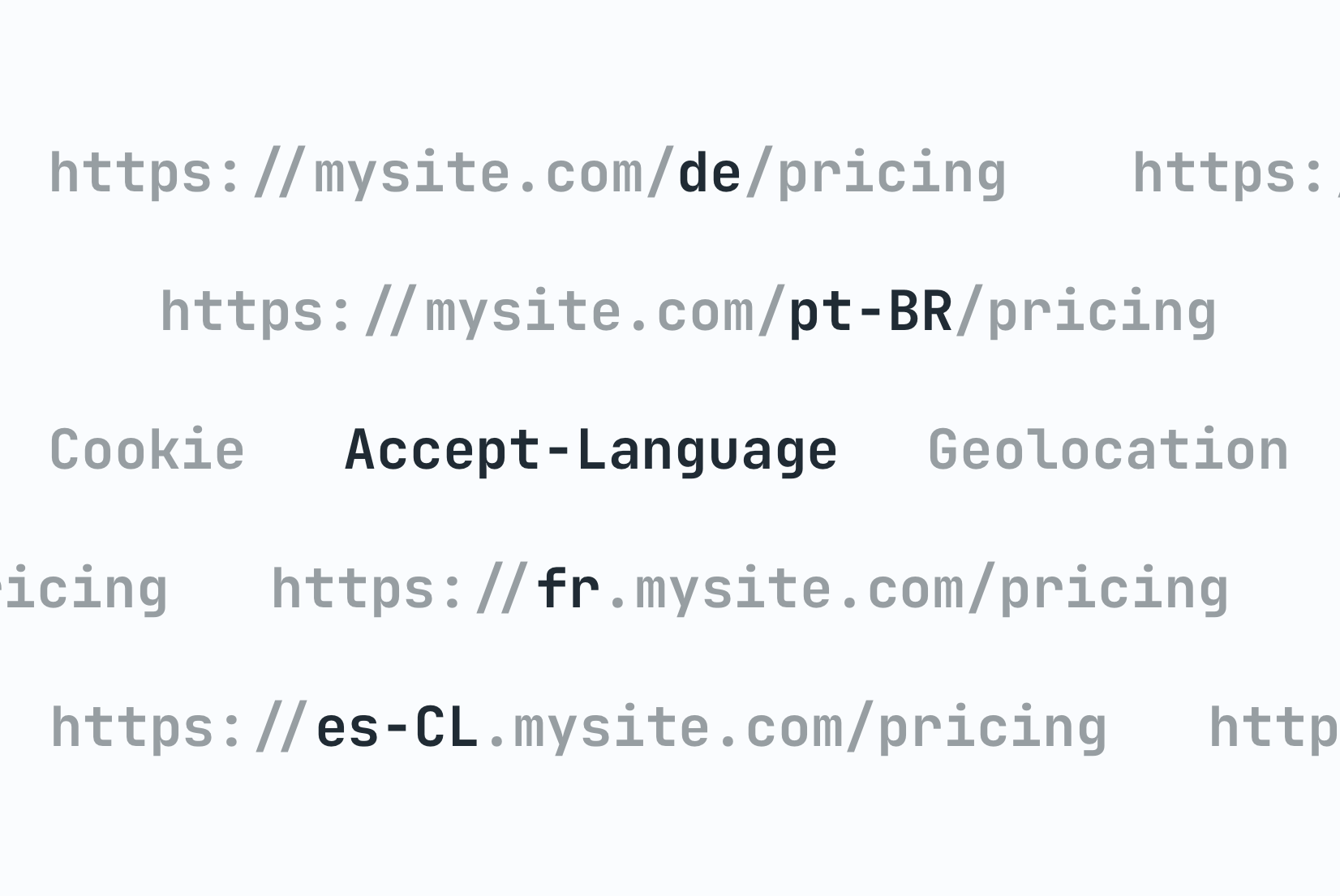
Locale detection strategies: URL, Cookie, or Header?
Compare locale detection strategies with code examples. Learn the trade-offs of URL paths, cookies, and headers with an architectural decision framework.

How to make a website multilingual: A developer's implementation guide
A practical guide for developers: how to internationalize a web app, set up translation files, implement locale detection, handle formatting, and manage translations across releases.
The complete technical guide to Internationalization (i18n) & Software localization
Everything developers need to know about internationalization (i18n) and software localization. Architecture patterns, file formats, frameworks, RTL, CI/CD, testing, and multi-tenant localization for SaaS teams.
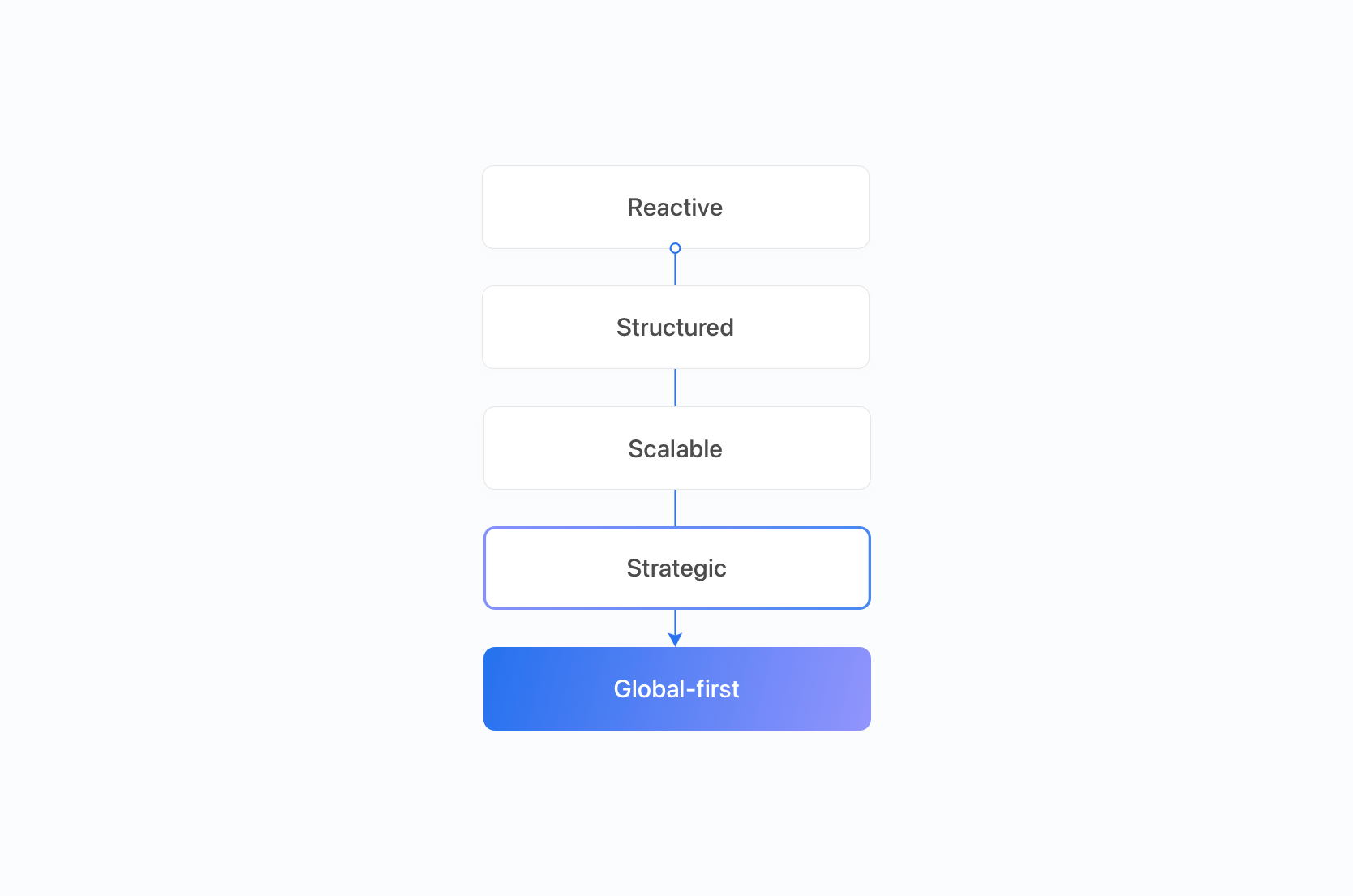
Localization maturity model: 5 stages of scalable global growth for SaaS
Discover the 5 stages of the localization maturity model for SaaS. Learn how workflows, budgets, tooling and QA evolve from reactive translation to global-first strategy.
Localization strategy for global SaaS growth: Scaling beyond basic translation
Learn how to scale localization for global SaaS growth. Prioritize markets, automate workflows, enforce governance, and measure localization ROI effectively.
Localization vs Internationalization vs Translation: Key differences for SaaS teams
What's the difference between localization, internationalization (i18n), and translation? Practical SaaS examples for product and engineering teams.
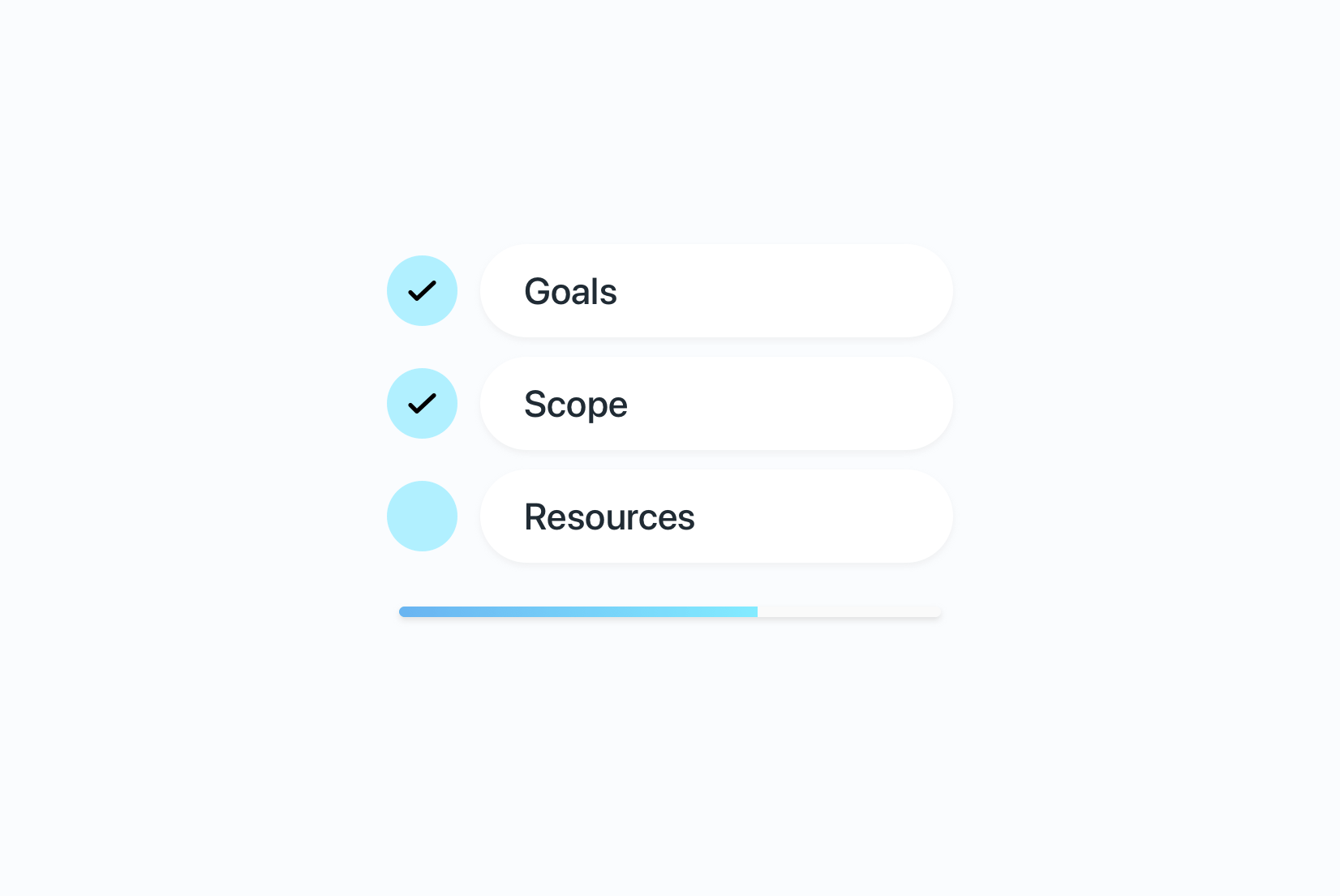
SaaS localization readiness checklist: Is your product ready to go global?
Ensure your product is ready for global expansion. Use our Localization Readiness Checklist to evaluate your team, tech, content, and processes before translating.
Localization strategy for SaaS: The complete guide for product & dev teams
Learn how to build a scalable localization strategy for SaaS and software teams. Workflows, i18n, metrics, pitfalls, and real examples.
Translation vs localization: Key differences, examples, and when to use each
What's the difference between translation and localization? Learn how they compare, see real-world examples, and understand when each approach is the right choice for software, websites, and global products.
What is internationalization (i18n)? Complete guide for teams & devs
What is internationalization (i18n)? Learn how to prepare software for multiple languages and regions, with examples for developers and product teams.
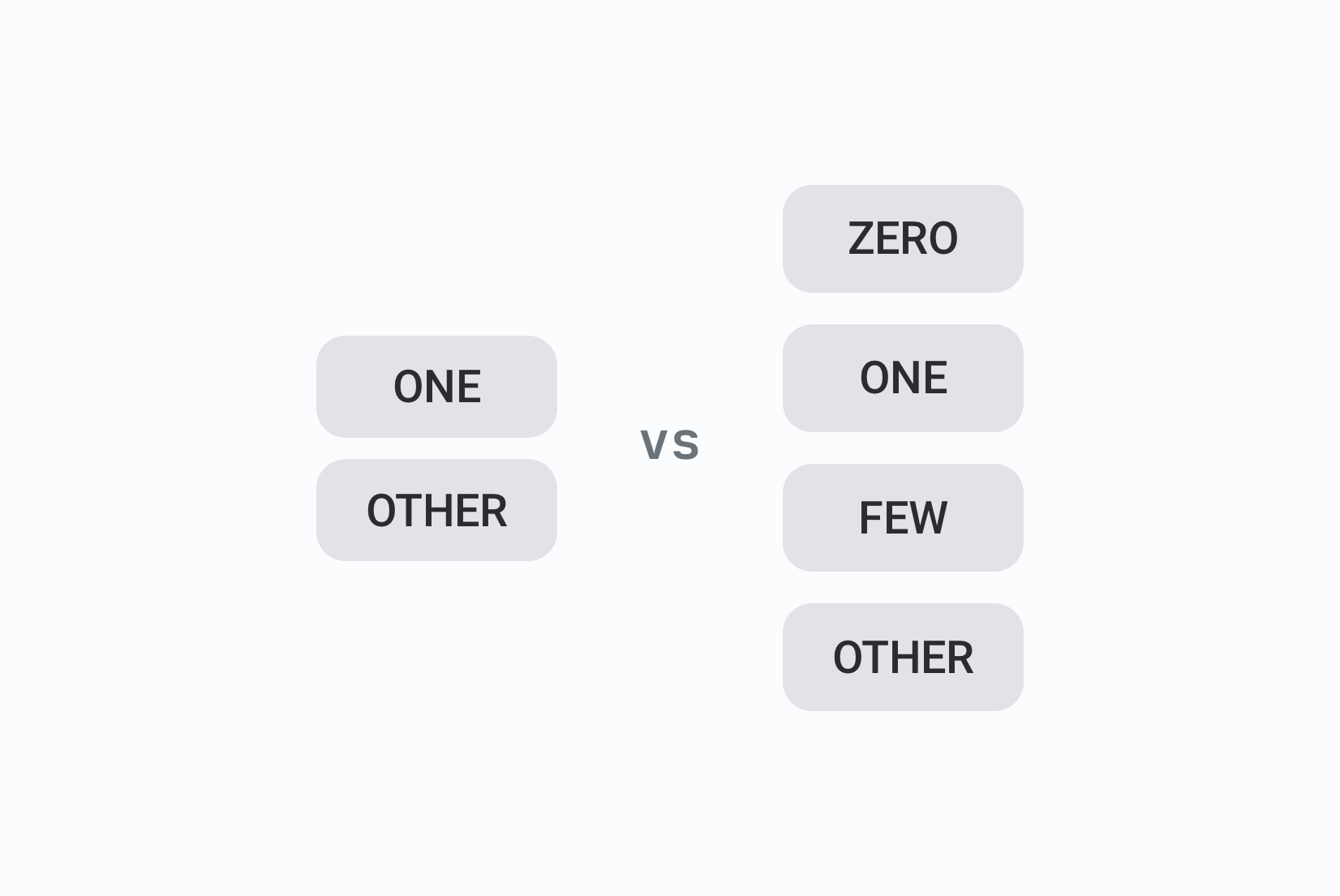
How to handle pluralization across languages
Learn how pluralization works in different languages and how to implement it correctly in multilingual software. Includes ICU examples and SimpleLocalize tips.
Managing ARB translation files in Flutter
Learn how to manage ARB translation files in Flutter. Covers ARB structure, metadata, placeholders, plurals, and practical best practices using SimpleLocalize.
Mastering XLIFF files: How to manage & translate them
Learn what XLIFF files are, how they work, and how to easily manage and translate them using SimpleLocalize. Includes examples, best practices, and real-world workflows for developers and localization teams.
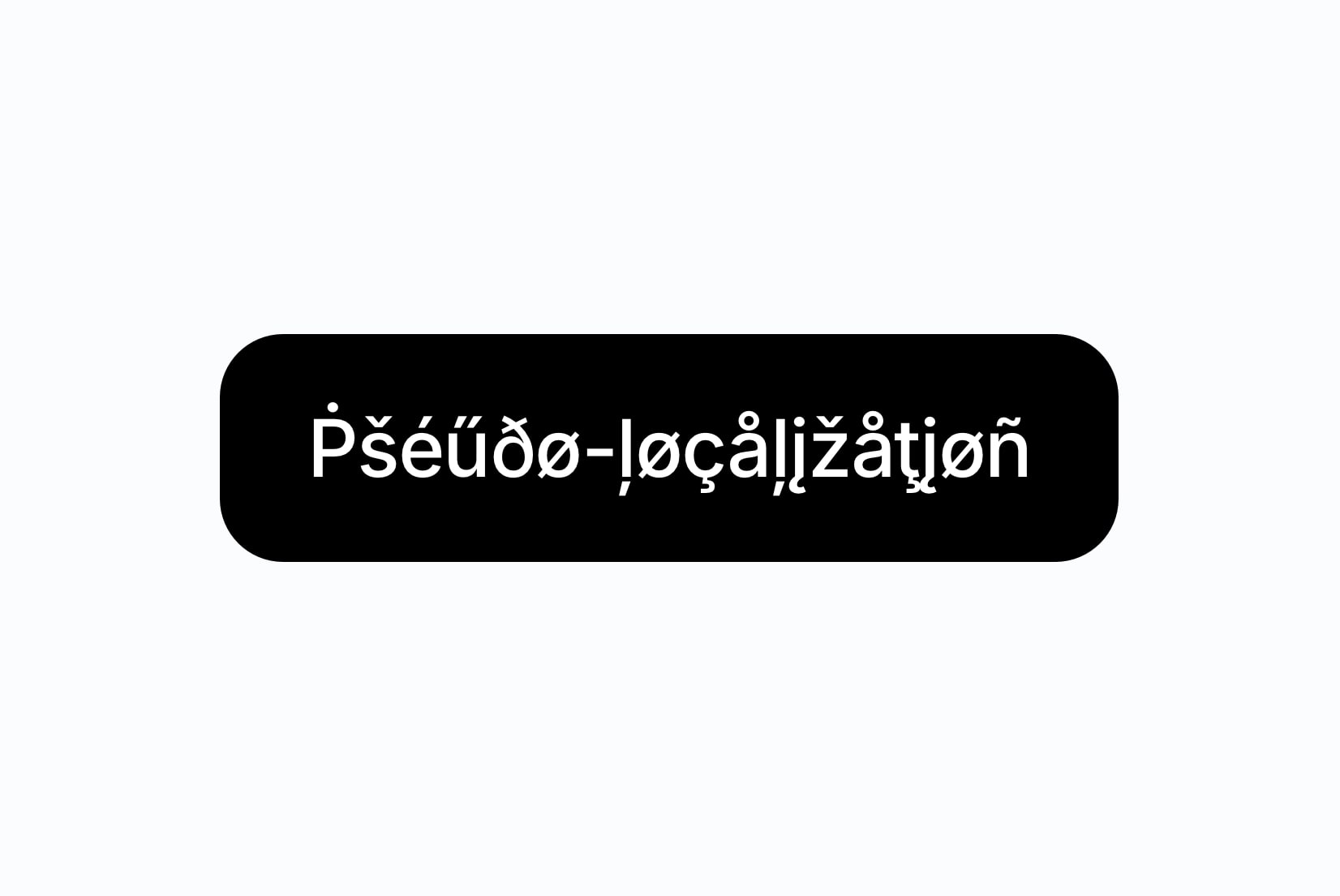
What is pseudo-localization? A practical guide for localization testing
Learn what pseudo-localization is, why it matters, and how to use it to catch localization issues early. Practical examples and tips for pseudo-localization.
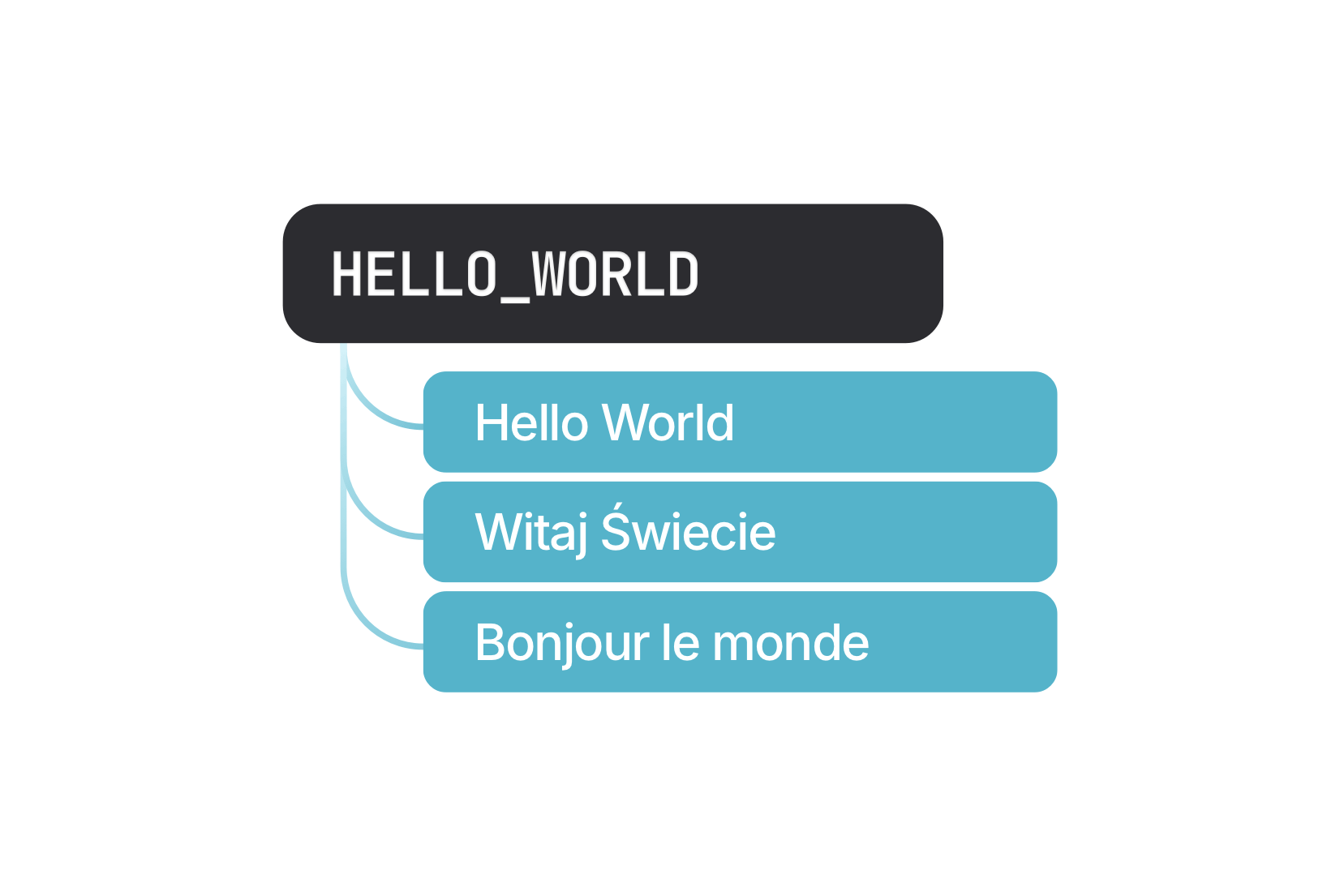
Translation keys vs. strings: What's the difference?
Learn the difference between translation keys and strings in i18n, and how they impact file structure, tooling, pricing, and localization project estimates.
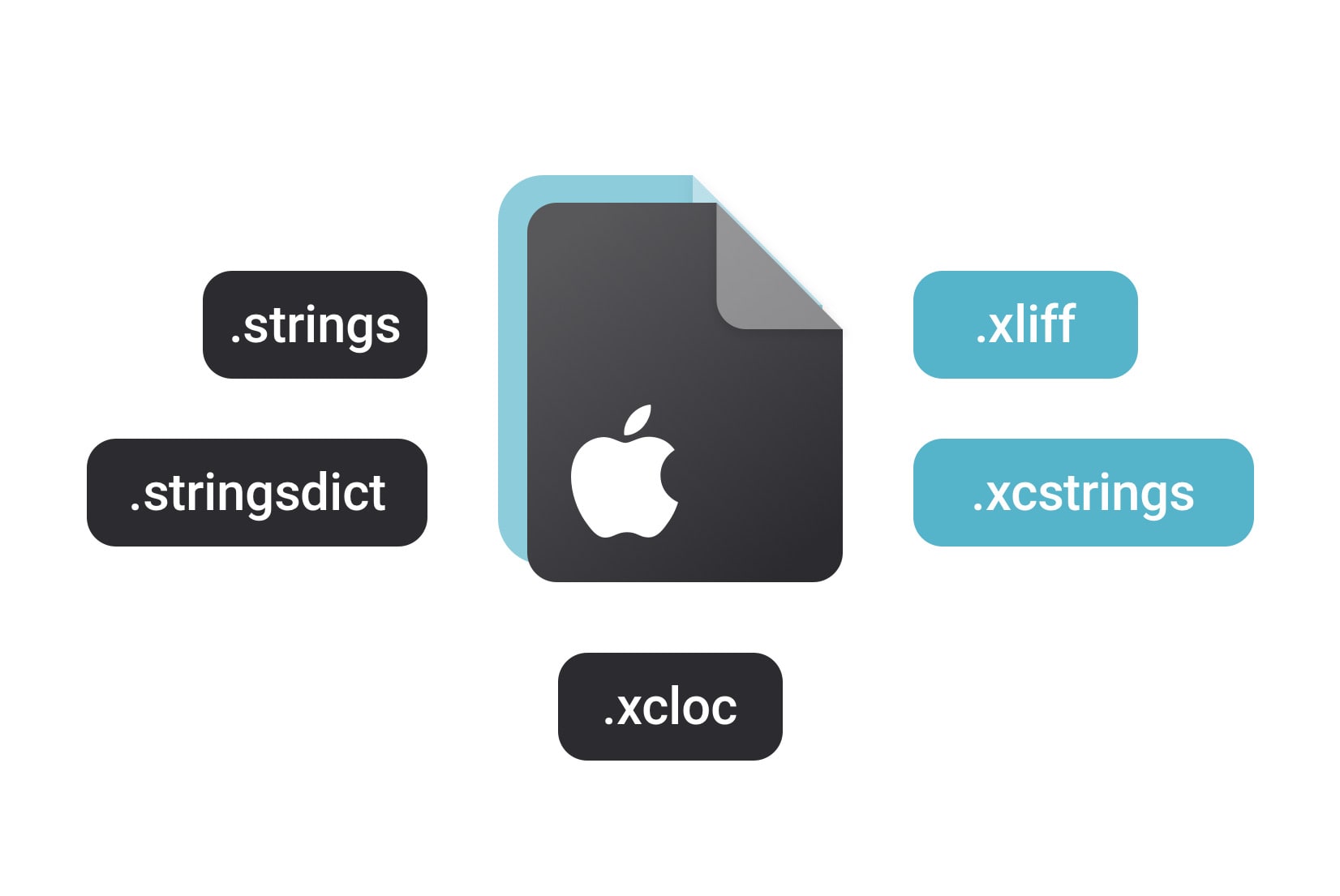
iOS localization 2026: Guide to .strings, .xcstrings & String Catalogs
Master iOS localization in 2026. Compare .strings, .xcstrings, and .xliff formats, learn how to migrate to Xcode String Catalogs, and automate your translation workflow with SimpleLocalize.
How to translate PO and POT files
Learn how to translate PO and POT files easily with gettext for software localization. Step-by-step guide with examples, best practices, and tools like SimpleLocalize.
How to auto-translate YAML files
Skip manual edits. Learn how to auto-translate YAML files with SimpleLocalize using upload, batch MT, and CI/CD so every push ships with fresh translations.
How to translate YAML files for localization (2026 guide)
How to translate YAML localization files correctly, covering structure, common errors, framework-specific patterns, and translation workflows from manual to fully automated.
YAML vs JSON for translation files: Which should your team actually use?
YAML or JSON for translation files? The answer depends on your stack and who edits the files. Here's the practical decision guide for developers with framework mappings, real examples, and a hybrid approach most teams end up using.
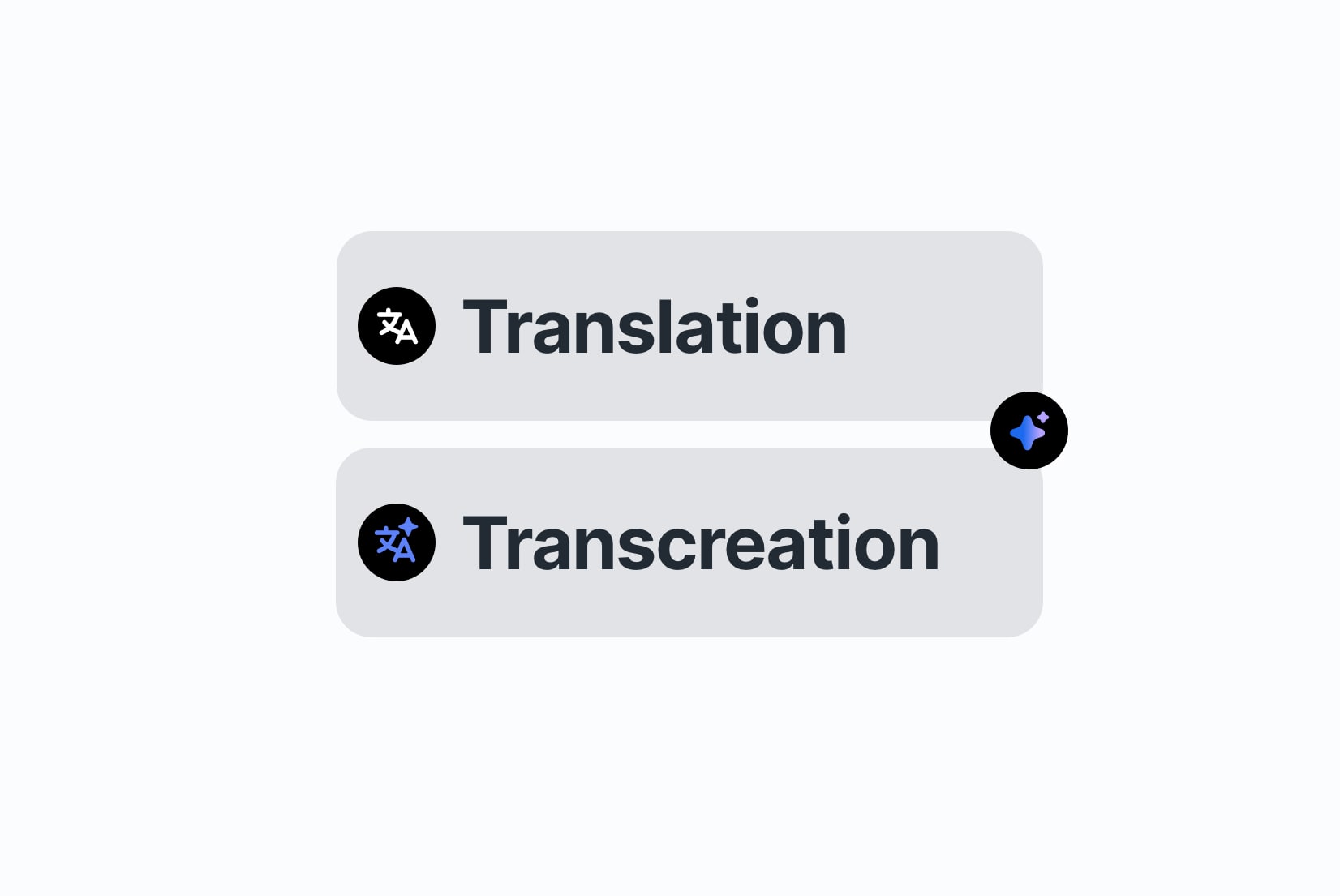
Translation vs. Transcreation: What's the difference?
Learn the key differences between translation and transcreation, when to use each, and how both approaches can elevate your localization and brand strategy.
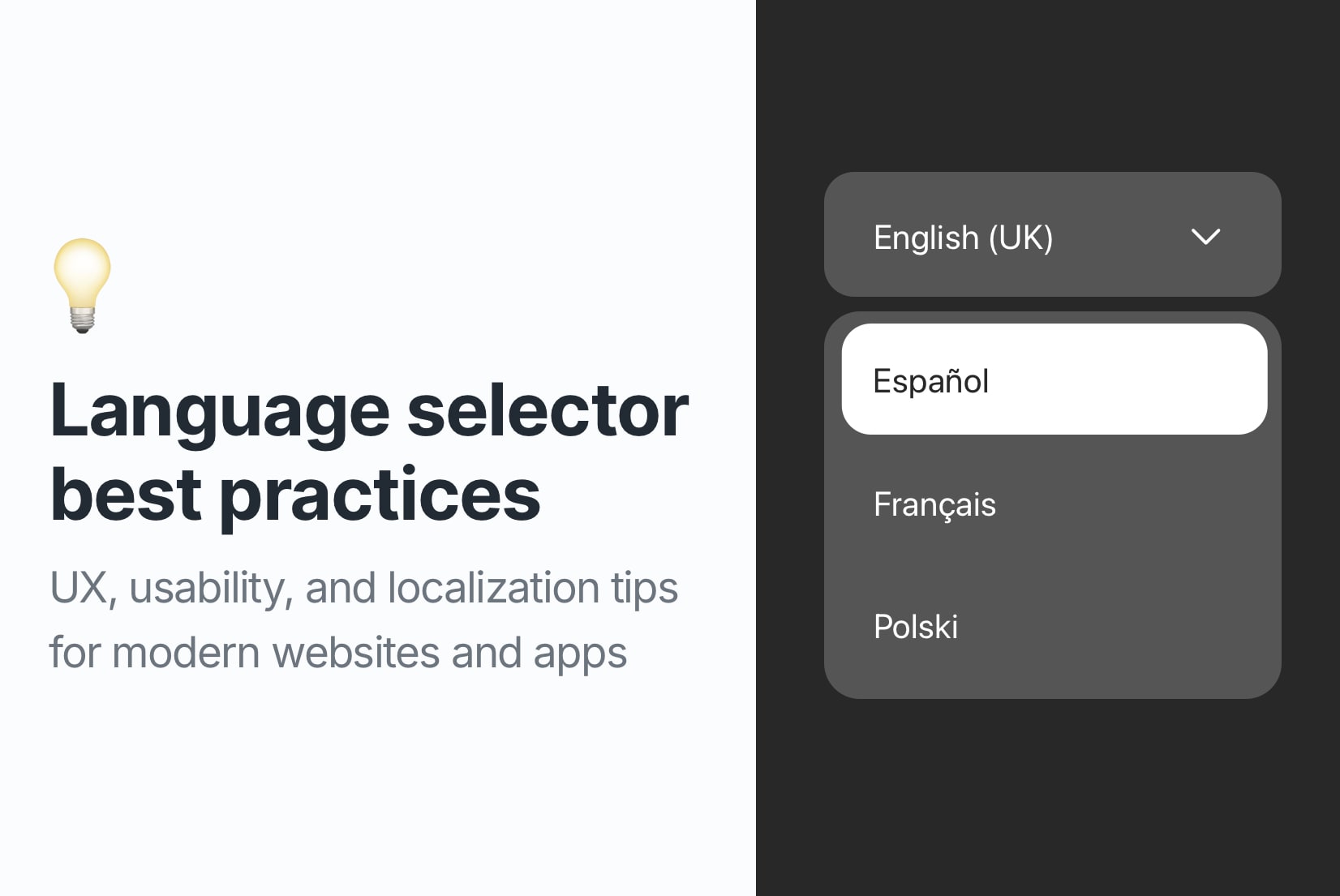
Language selector best practices: 10 UX tips for websites and apps
Learn how to design an effective language selector for your website or app. Improve user experience, accessibility, and internationalization with these expert tips.
Accessibility checklist for multilingual websites: What developers miss
Standard accessibility checklists don't account for multilingual UIs. Here's what breaks when you add localization, and the technical fixes developers need to know.
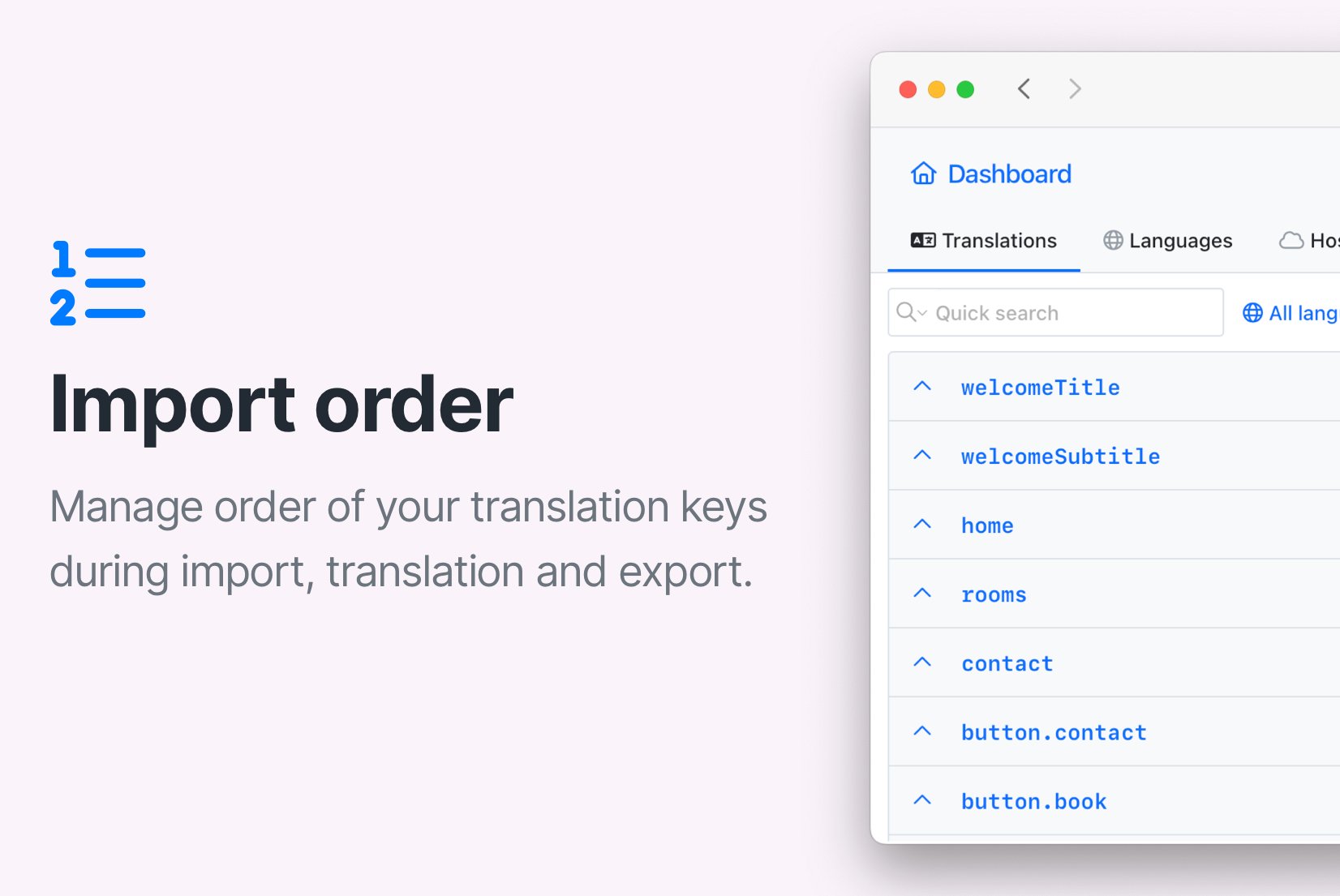
How to keep translation keys in order
Learn how to keep translation keys in order in your localization files and why it matters. Explore sorting options and the use case of random order.
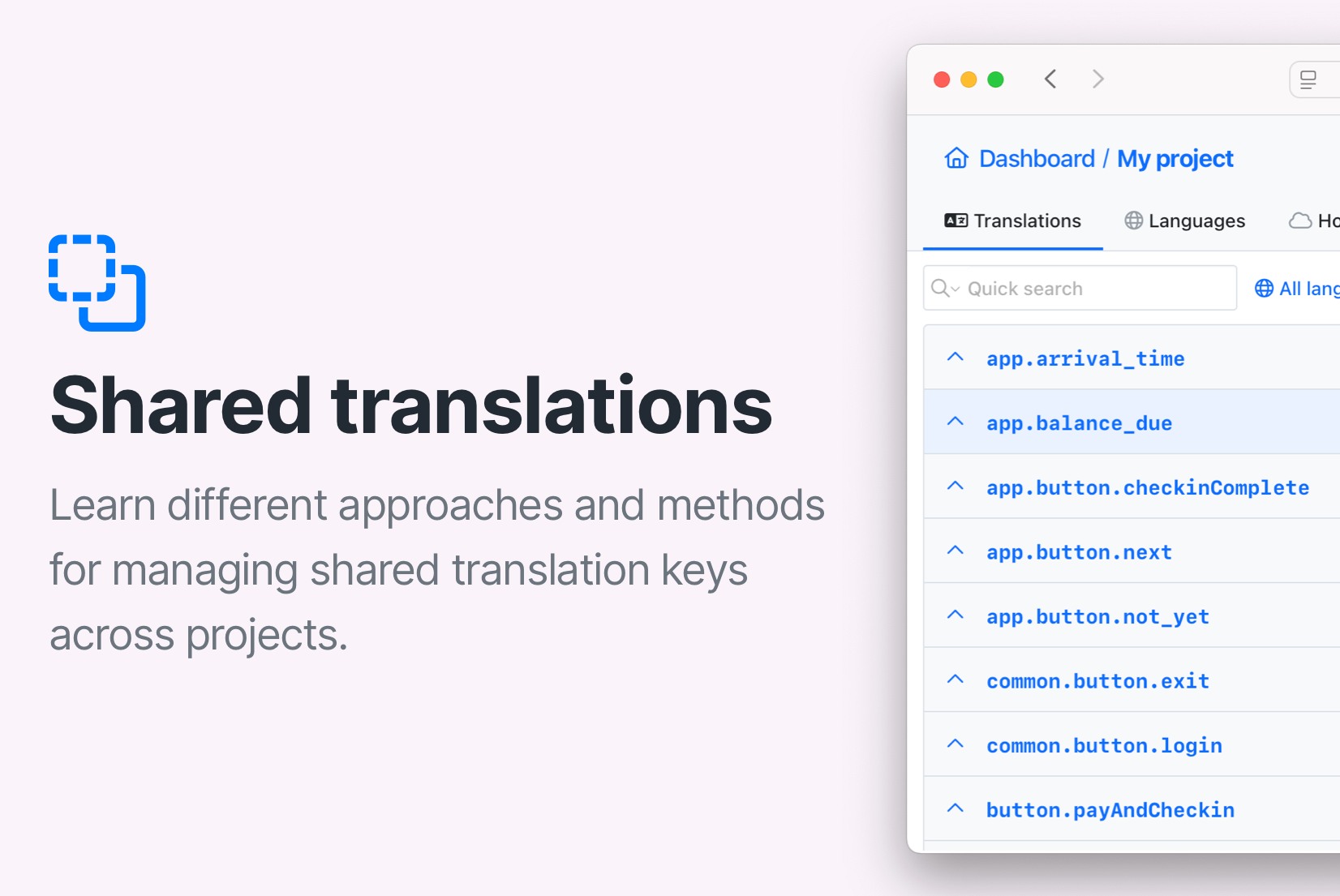
How to manage shared translation keys across projects
Learn how to efficiently manage shared translation keys across multiple projects in SimpleLocalize to keep translations consistent and easy to maintain.

The Tofu Symbol: When fonts get confused
The tofu symbol, a blank box in typography, appears when fonts can't display a character. Learn more about Tofu and how to avoid it in your software.
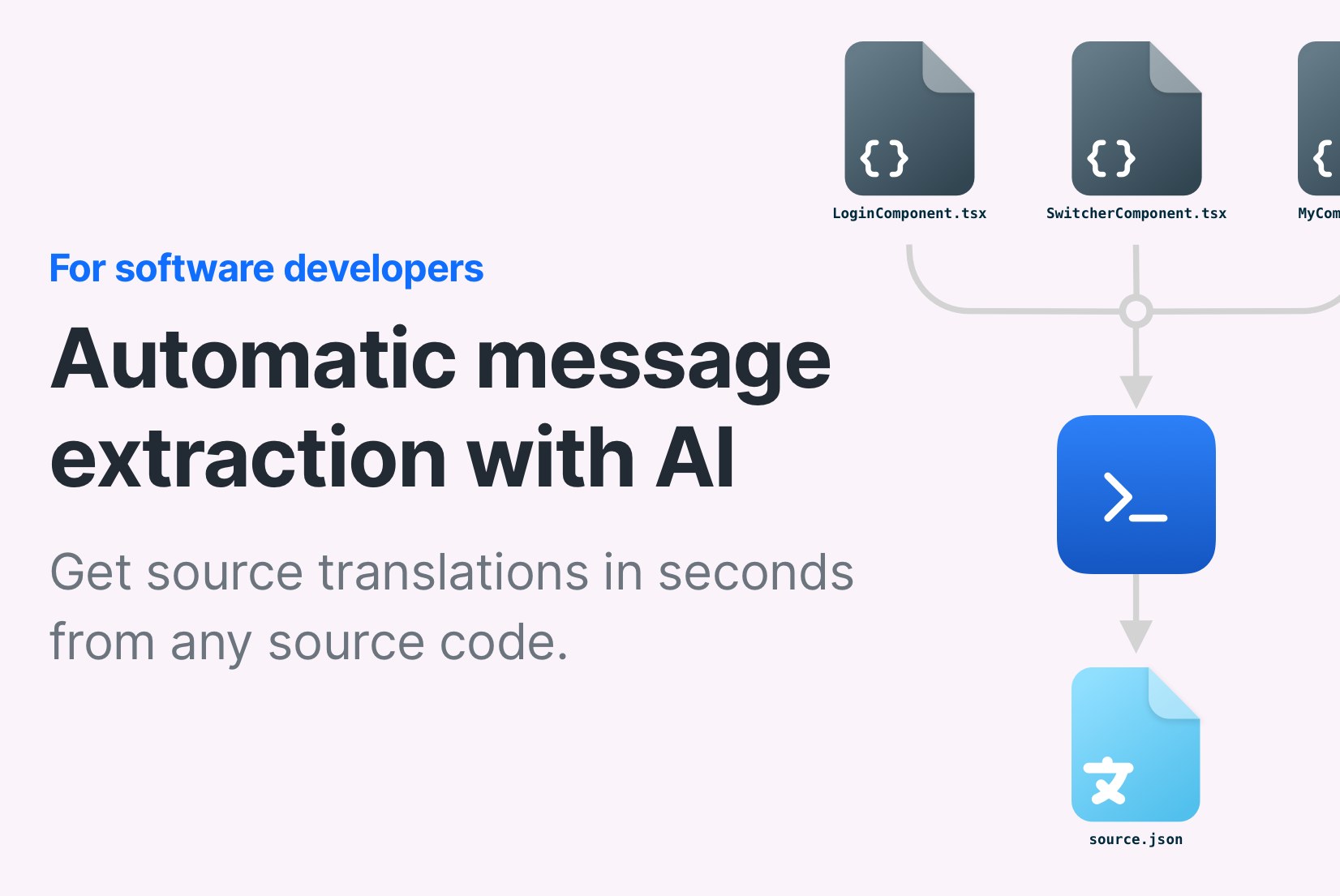
Automatic message extraction with AI
Quick message extraction with using npx and OpenAI. Extract messages and auto-create translation keys using AI. Get source translations in seconds from your source code.
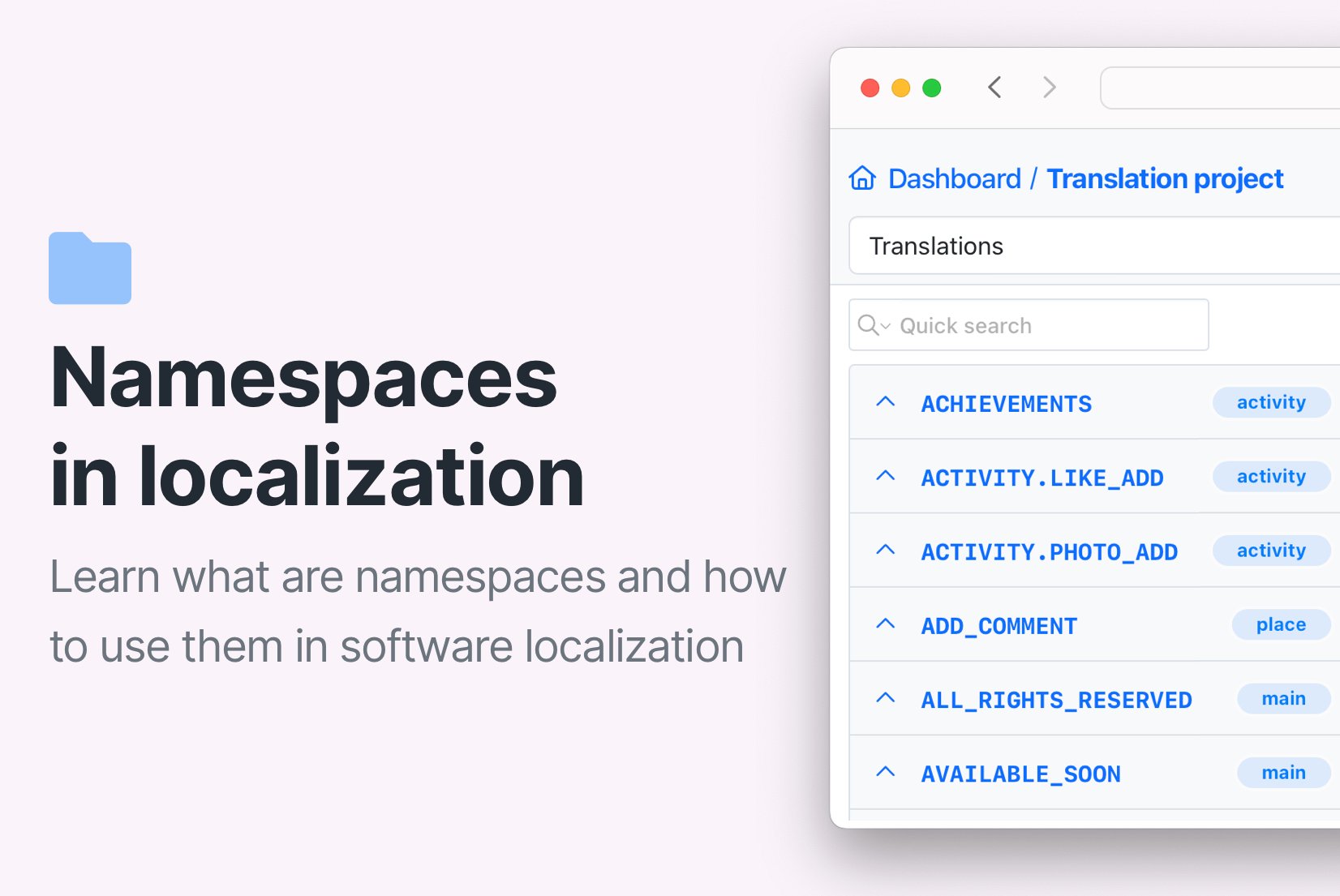
Namespaces in software localization
Namespaces are a great way to organize translations in software localization. Learn what namespaces are, why they are important, and how to use them in your localization process.
How to localize a React app using i18next (Next.js App Router guide)
Learn how to localize a Next.js App Router project using i18next and react-i18next. Covers server and client components, middleware-based locale detection, hreflang SEO, and translation management with SimpleLocalize.

How to translate a webpage: The complete guide (2026)
How to translate any webpage in Chrome, Safari, Firefox, Edge, and on mobile — plus when browser translation isn't enough and what developers do instead.
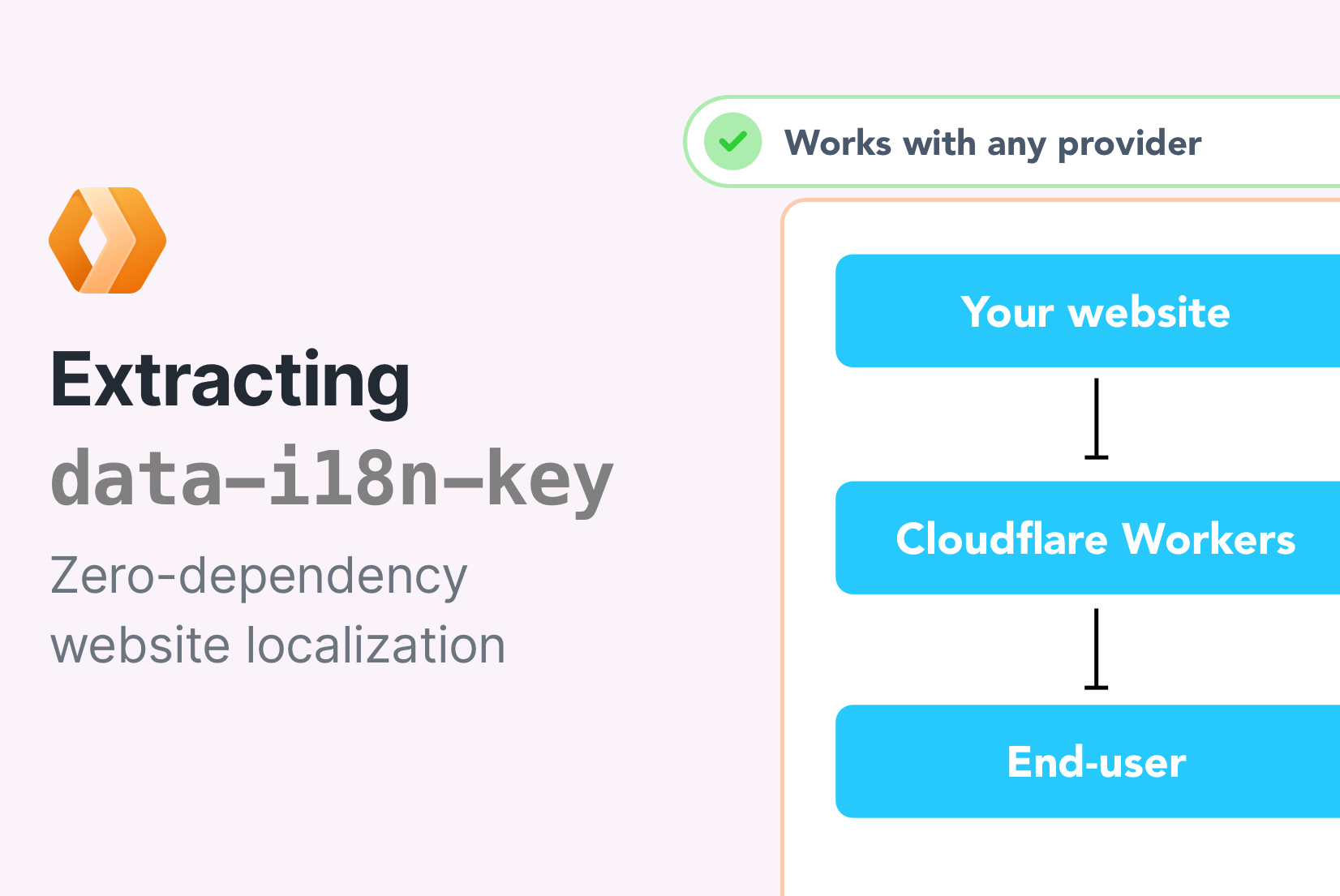
Cloudflare Workers and Website Localization (2/5)
In this tutorial, how to extract translation keys and translations from a HTML website and upload them to SimpleLocalize using the SimpleLocalize CLI.
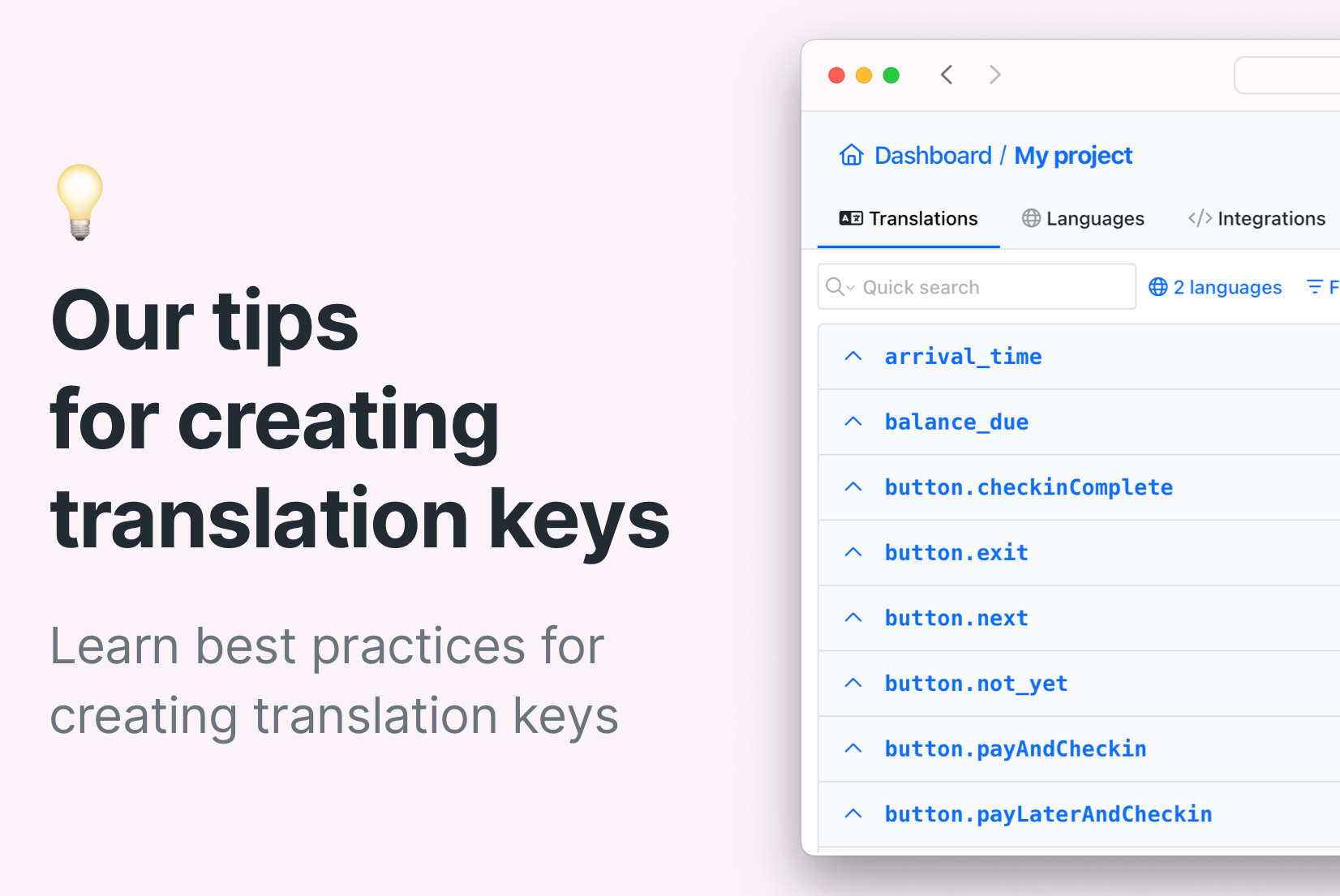
Best practices for creating translation keys
Discover best practices for creating translation keys that are clear, consistent, and easy to manage to improve and optimize your app localization process.
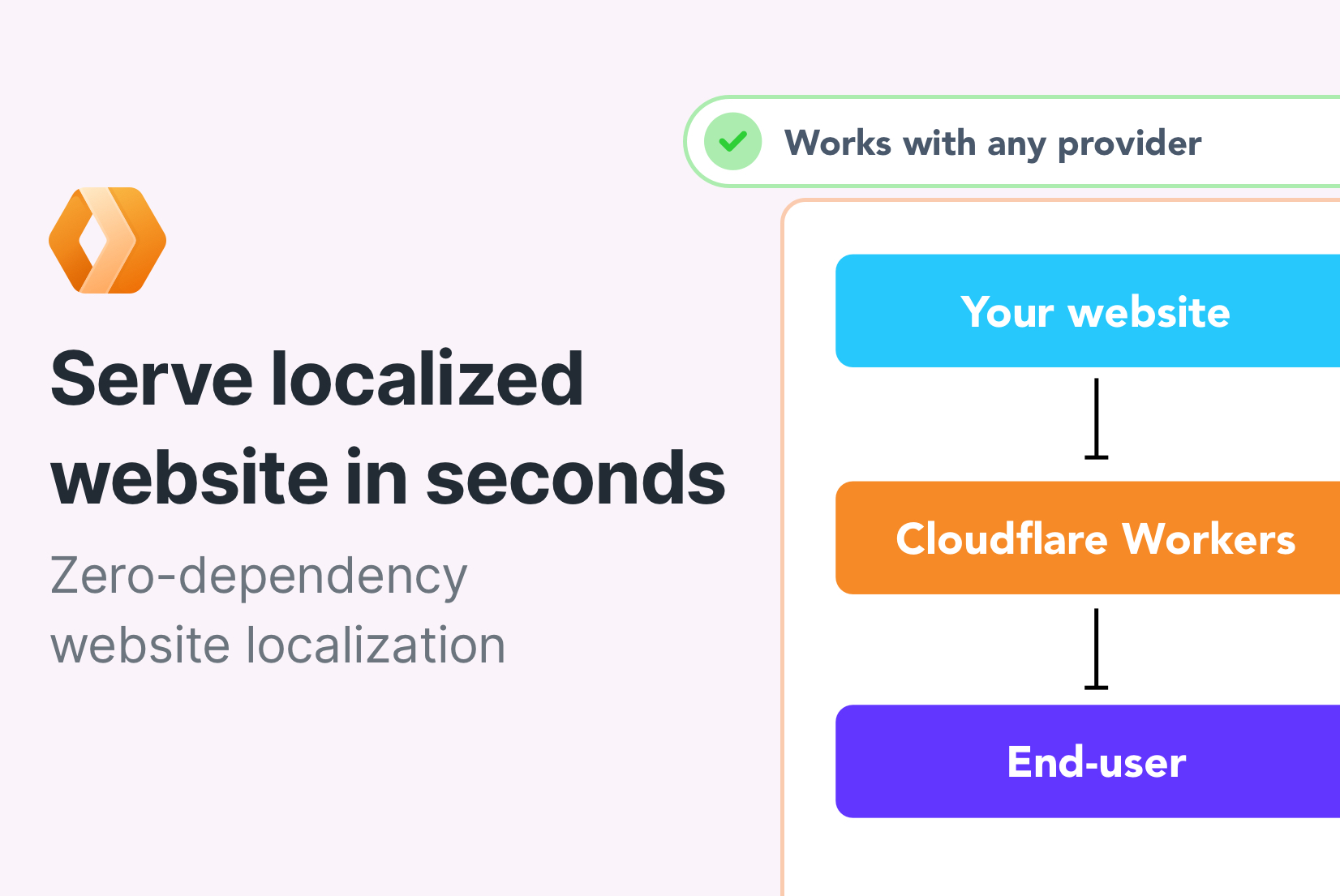
Cloudflare Workers and Website Localization (1/5)
Learn how to localize a static website using Cloudflare Workers and SimpleLocalize, no dependencies required. Works with HTML, React, Vue, and more.
What is a translation key? Definition, examples, and best practices
A translation key connects your app code to its translated content. Learn how keys work, how to name them well, and how to avoid common mistakes.
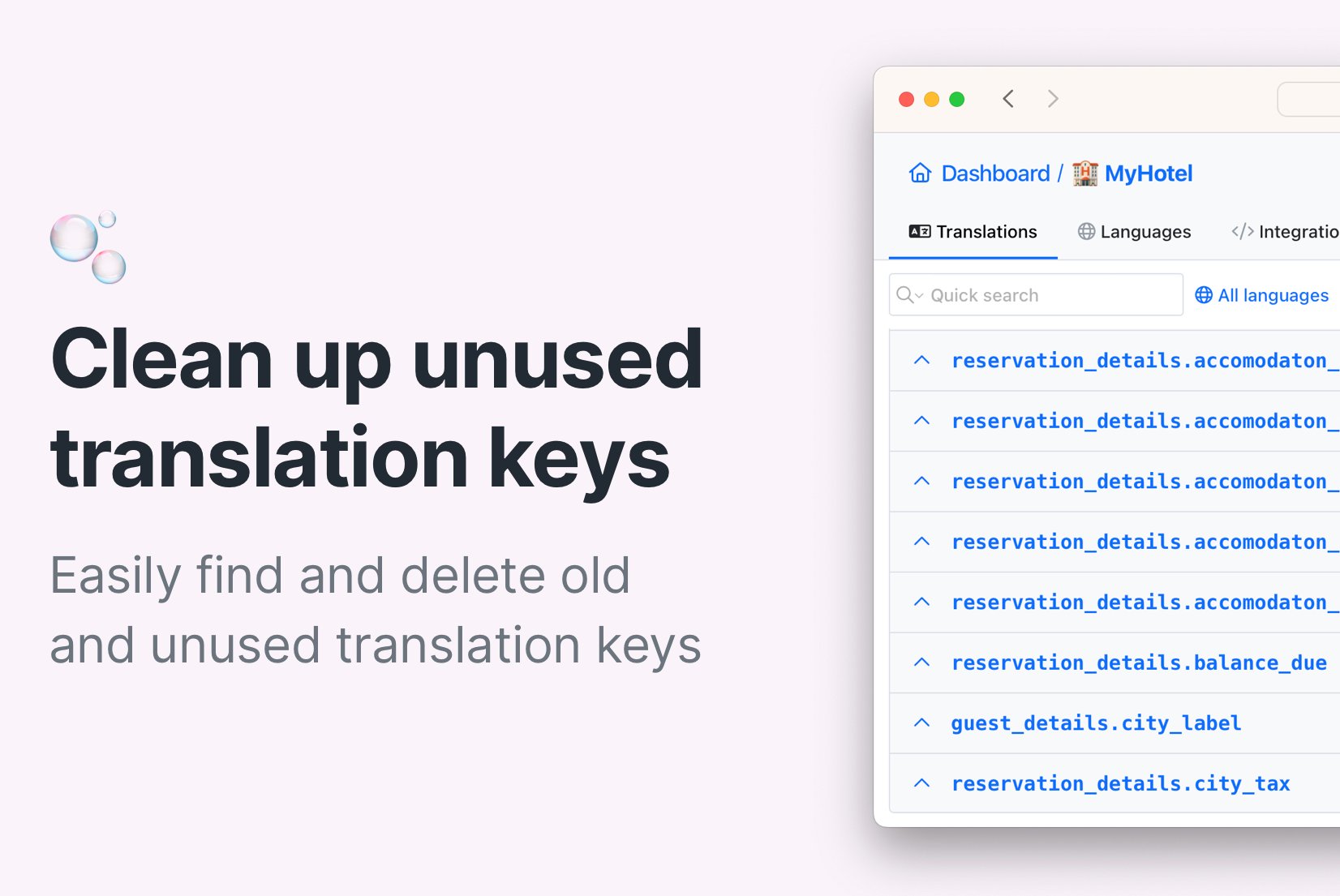
How to find and delete unused translation keys
Clean up your translation files by finding and removing unused translation keys. Use the last seen date filter or the new deprecation workflow to keep your localization files in sync with your codebase.
How to share translation keys across multiple apps?
Managing translations across multiple apps doesn't have to mean duplicated work. Learn the architecture patterns and SimpleLocalize workflows for sharing translation keys reliably.
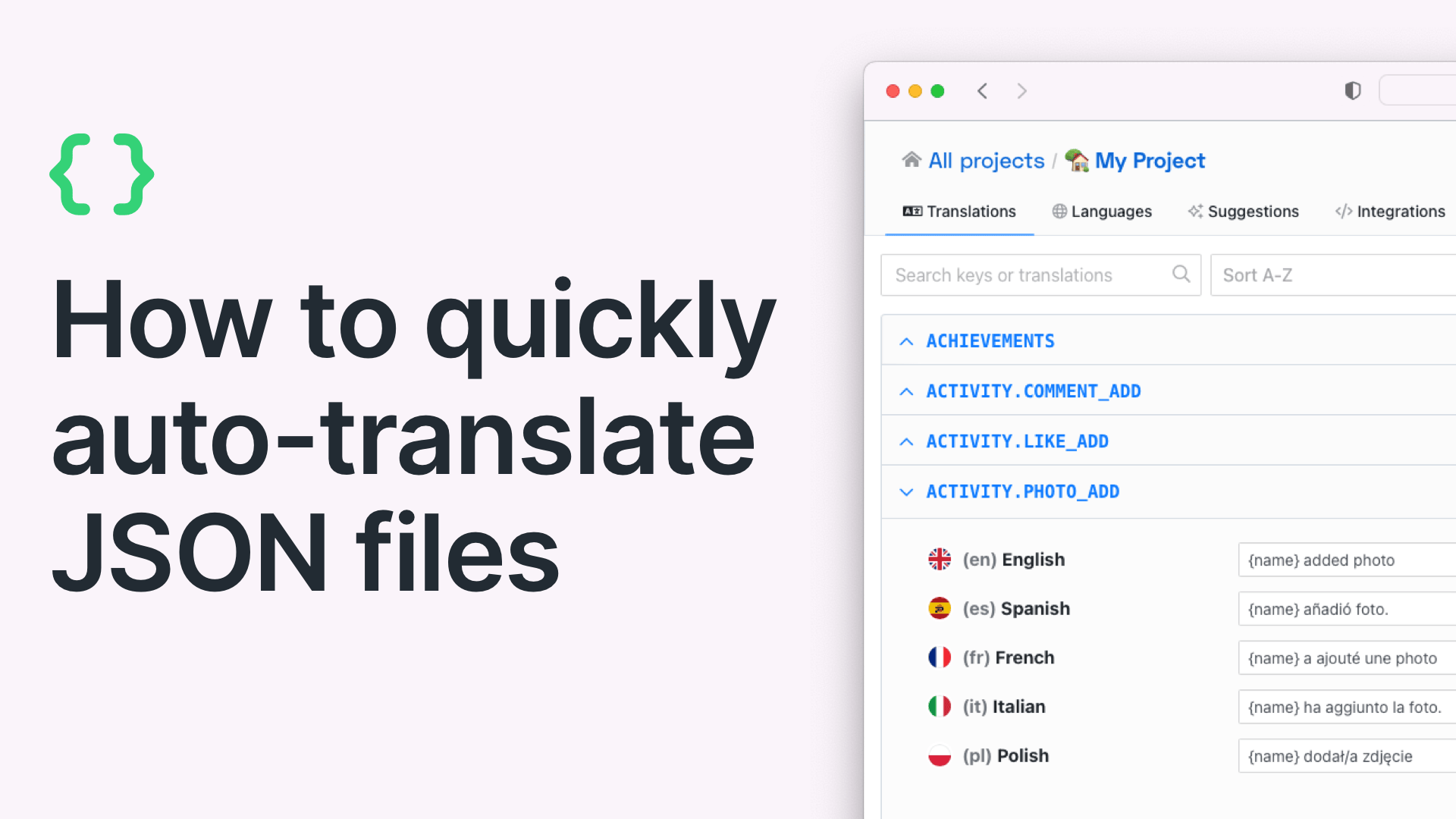
How to auto-translate JSON files for app localization (2026 guide)
How to auto-translate JSON translation files using AI and machine translation. Covers manual approaches, CLI workflows, CI/CD automation, and common pitfalls that cause JSON localization to break.
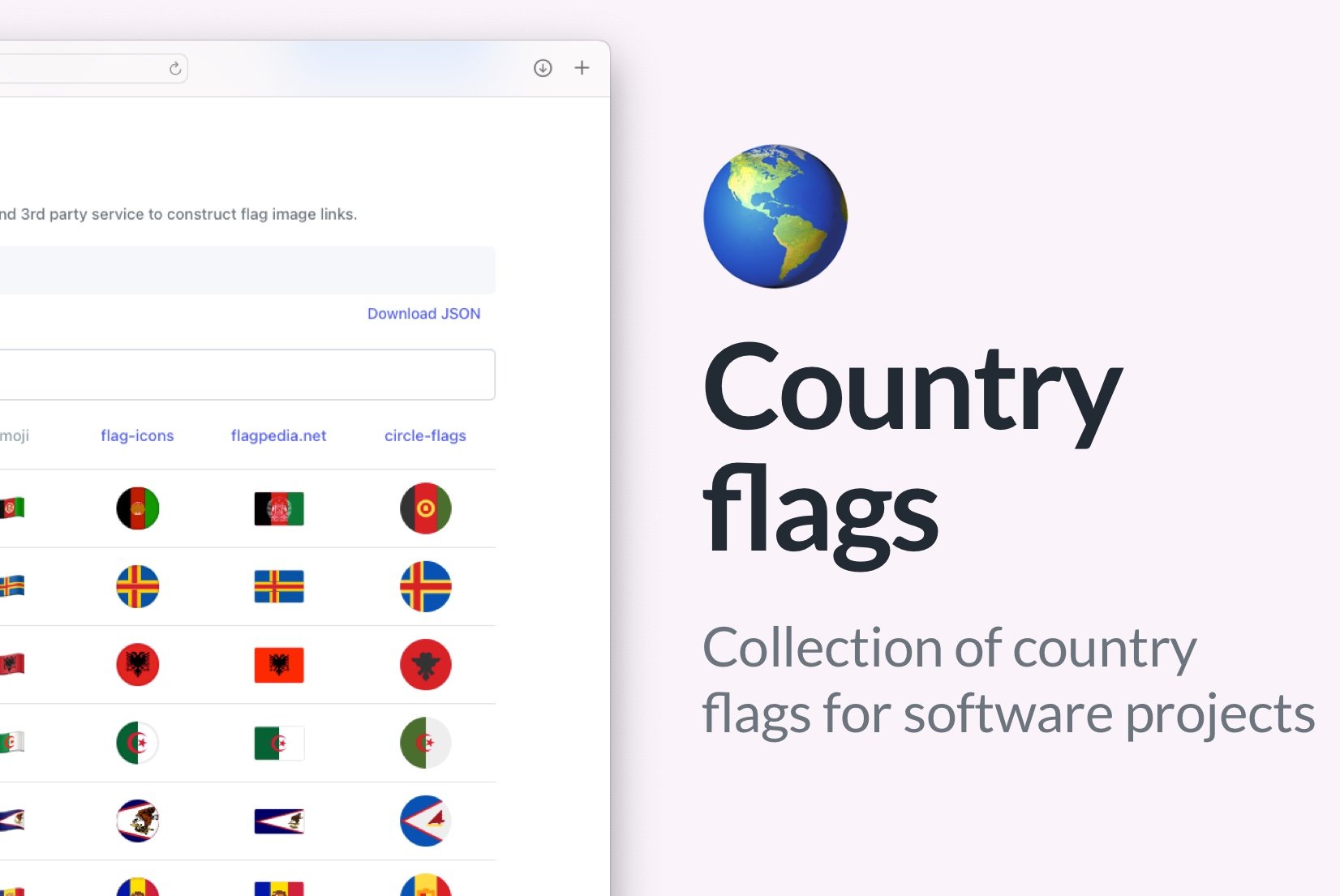
Country flag icons: Free & paid resources for developers
Explore the best country flag icon libraries for developers and designers in 2025. Compare SVG, emoji, GIF, and React-ready options, free and paid.

ICU message format: Guide to plurals, dates & localization syntax
Learn ICU message formatting with real-world examples for plurals, numbers, dates, and more. Understand how ICU improves software localization and translation quality.

Java Internationalization: Java 21, Java 25 LTS, and Java 26
A practical guide to Java internationalization across LTS versions. Learn how Locale, ResourceBundle, DateTimeFormatter, and number formatting work in Java 21, Java 25 LTS, and Java 26.

Spring Boot 3.5: Internationalization (i18n) with messages.properties
Learn how to implement internationalization in Spring Boot 3.5 application. Translate page and email using message.properties files, Thymeleaf templates, LocaleResolver, and more.
Software localization acronyms explained (l10n, i18n, TMS, MT & more)
L10n, TMS, i18n. Are those terms familiar to you? Learn the most popular acronyms used in software translation and localization.
How to translate a Next.js app with next-i18next
Step-by-step guide to localizing Next.js apps. Pages Router with next-i18next, App Router with i18next and react-i18next, pluralization, language selector, and SimpleLocalize integration.
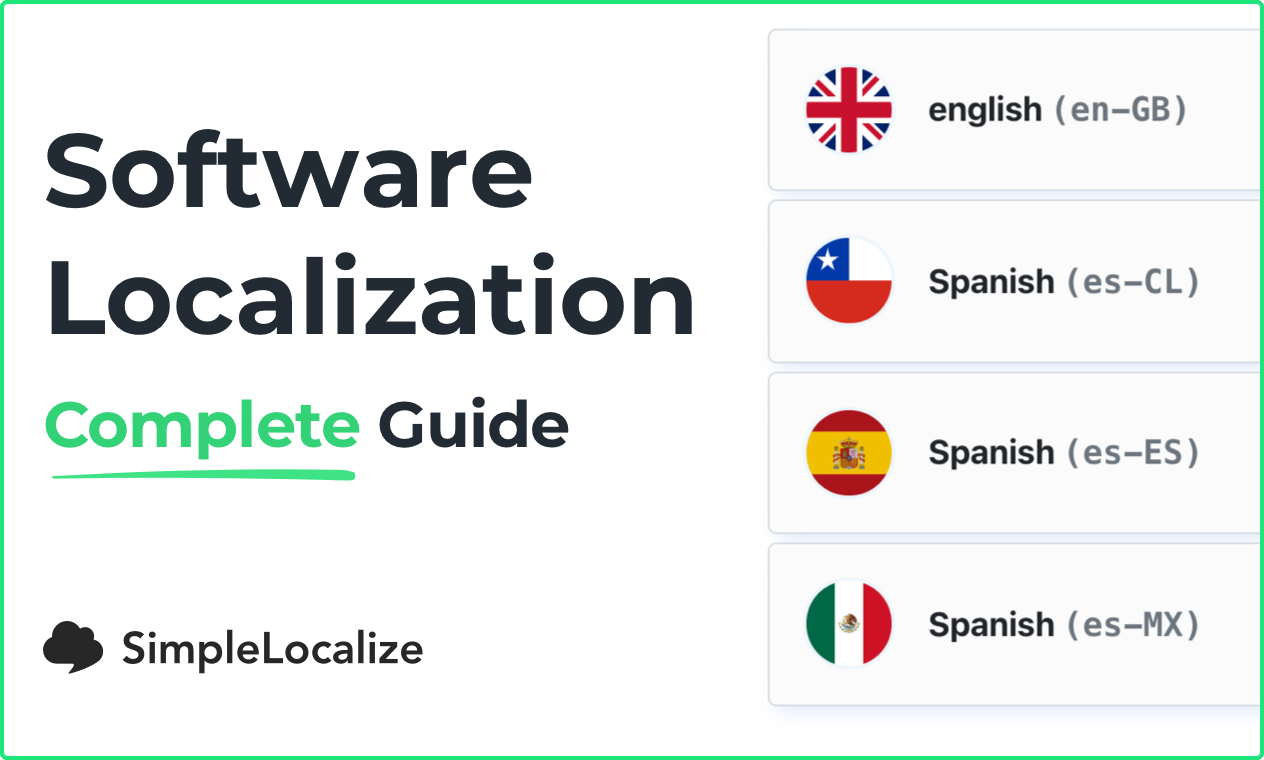
Software localization explained: Examples, benefits, and best practices
Software localization explained with real examples. Learn how it differs from translation, why it matters for UX and SEO, and how teams localize apps and websites effectively.
How to localize a Next.js app with next-translate
A practical guide to localizing Next.js apps with next-translate. Covers Pages Router, App Router, TypeScript, middleware, SSR vs SSG, SimpleLocalize integration, and hreflang setup.
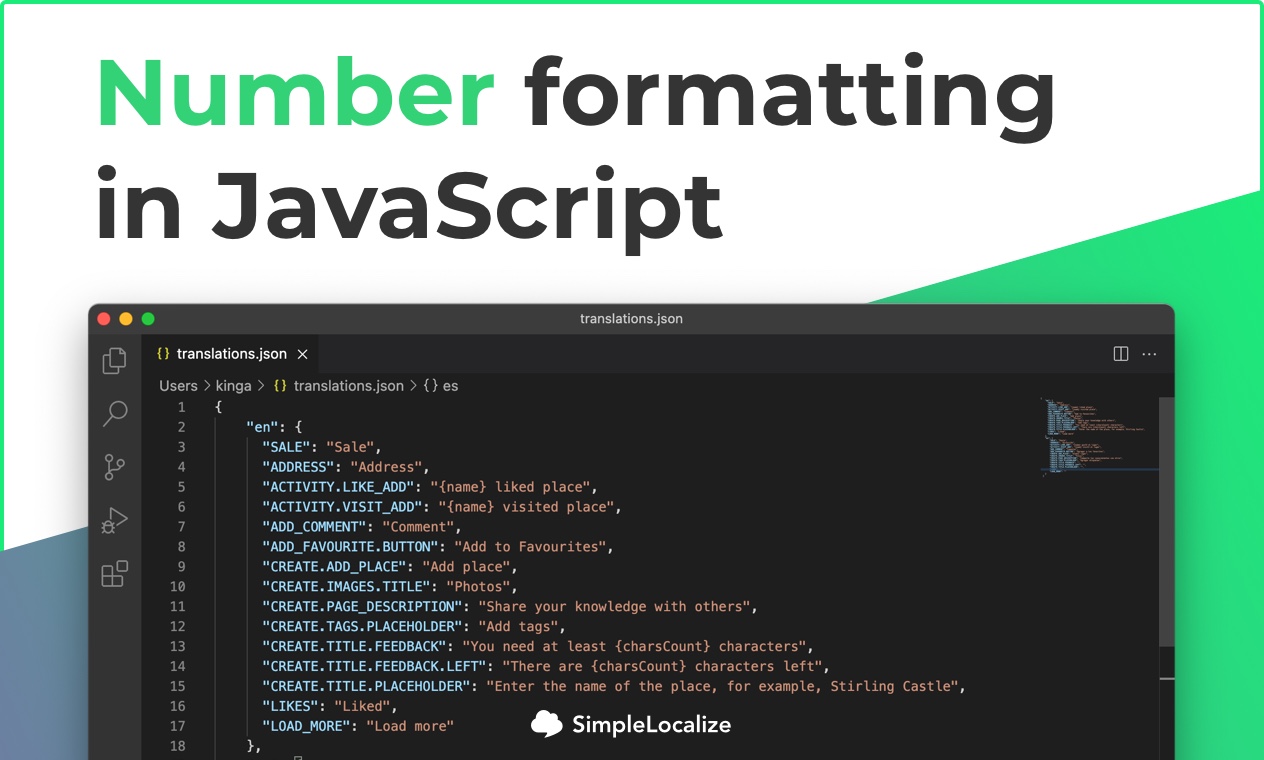
Number formatting in JavaScript: toLocaleString and Intl.NumberFormat
A practical guide to toLocaleString() and Intl.NumberFormat in JavaScript. Format numbers, currencies, percentages, and units without any third-party library.
Localization: Tips & Tricks
Avoid common problems with localization by following these practical tips. These insights will help you save time, avoid UX issues, and improve your i18n strategy.
How to create a multi-language website in GatsbyJS?
Create a multi-language GatsbyJS website with a few simple steps. A multi-language website is a great way for your company to reach a wider audience.
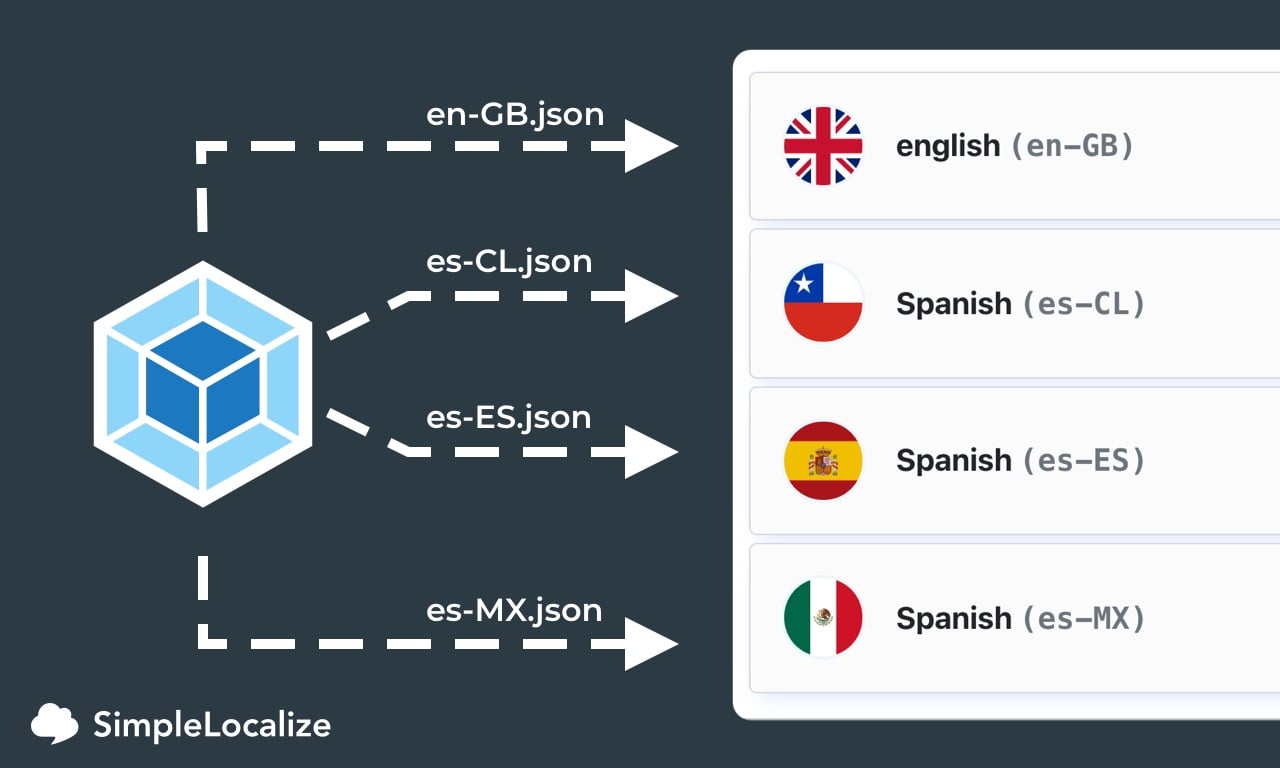
Lazy loading translations in React with code-splitting (2026 guide)
How to lazy load translation files in React using dynamic imports and i18next. Speed up your app by loading only the active locale instead of shipping all languages at once.
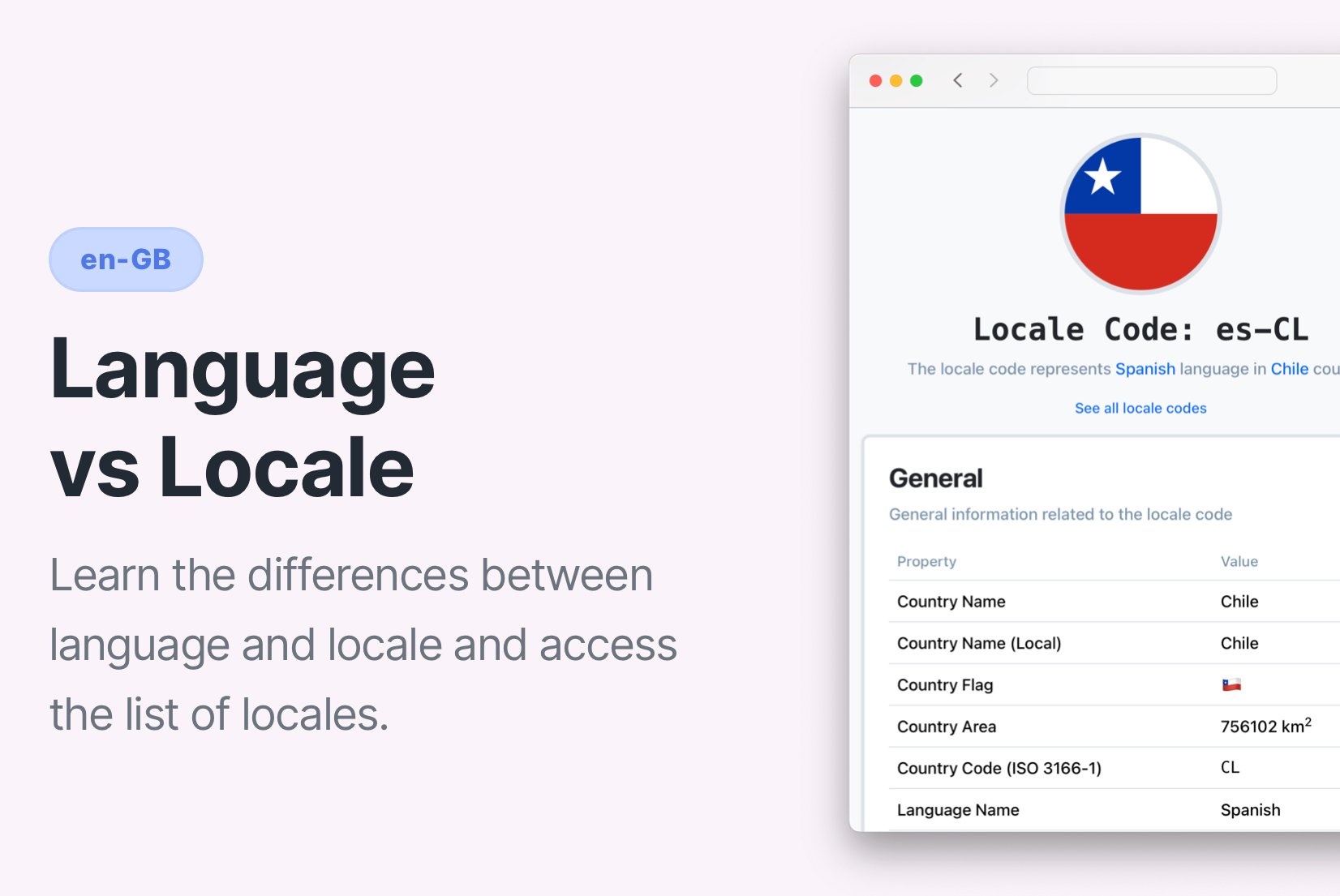
Language vs Locale in software localization (with SaaS examples)
Language vs locale explained for SaaS and software teams. Learn the real difference, see code examples, and understand why it matters for your localization strategy.
Best i18n libraries for React, React Native & Next.js (2026)
Top i18n libraries for React 19, Server Components, React Native, and Next.js App Router. Compare RSC compatibility, bundle size, type safety, and AI-driven workflows.
FormatJS and React application localization
FormatJS - add more languages to your React app. Zero configuration required. Simple setup with 2-minute guide.

i18next and React application localization in 3 steps
How to localize a React application with i18next and react-i18next. Covers setup, translation key creation, SimpleLocalize CLI sync, and switching languages, updated for 2026.
Internationalization tool for yahoo/react-intl
FormatJS - quick guide for localizing React apps and translation files management. Simple setup with 2-minute guide.