Posts related to how to
We found 67 posts with 'how to' tag

Vue.js i18n: The complete guide to localizing Vue and Nuxt apps
Learn how to internationalize and localize Vue 3 and Nuxt apps with vue-i18n. Covers setup, translation files, pluralization, locale detection, lazy loading, CI/CD integration, and SimpleLocalize workflows.
Android String resources: Complete guide to localizing Android apps
Learn how to manage Android string resources, plurals, and arrays. A technical guide to localizing Android XML files with SimpleLocalize for seamless translation workflows.
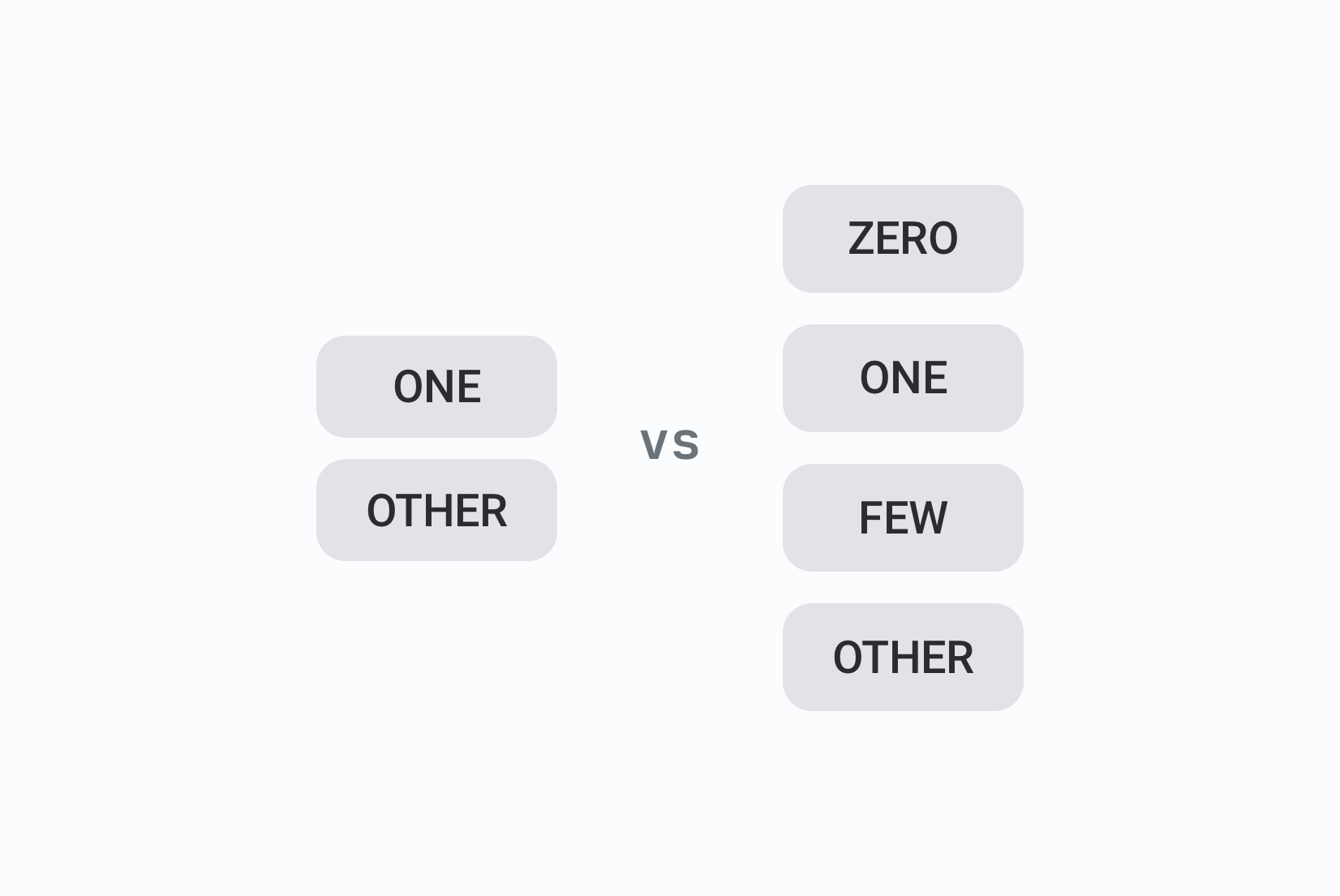
How to handle pluralization across languages
Learn how pluralization works in different languages and how to implement it correctly in multilingual software. Includes ICU examples and SimpleLocalize tips.
Managing ARB translation files in Flutter
Learn how to manage ARB translation files in Flutter. Covers ARB structure, metadata, placeholders, plurals, and practical best practices using SimpleLocalize.
Mastering XLIFF files: How to manage & translate them
Learn what XLIFF files are, how they work, and how to easily manage and translate them using SimpleLocalize. Includes examples, best practices, and real-world workflows for developers and localization teams.

What is pseudo-localization? A practical guide for localization testing
Learn what pseudo-localization is, why it matters, and how to use it to catch localization issues early. Practical examples and tips for pseudo-localization.

Never miss a translation update again: Notifications, Webhooks, and more
Learn how to track every translation update automatically in SimpleLocalize using notifications, webhooks, and the API to keep your localization team aligned.
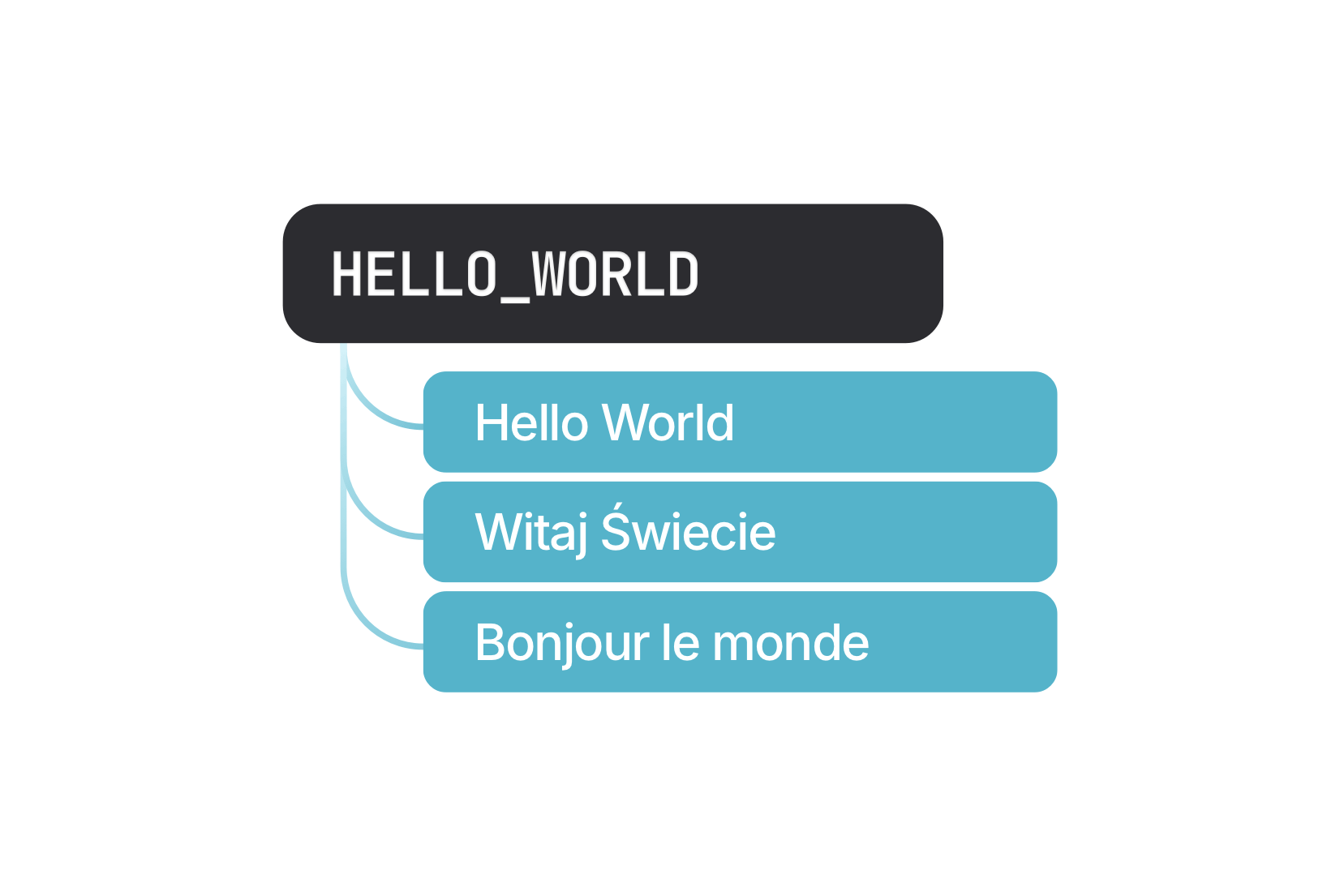
Translation Keys vs Strings
What is the difference between translation keys and strings? Learn what is the difference and how to calculate your project size in SimpleLocalize.
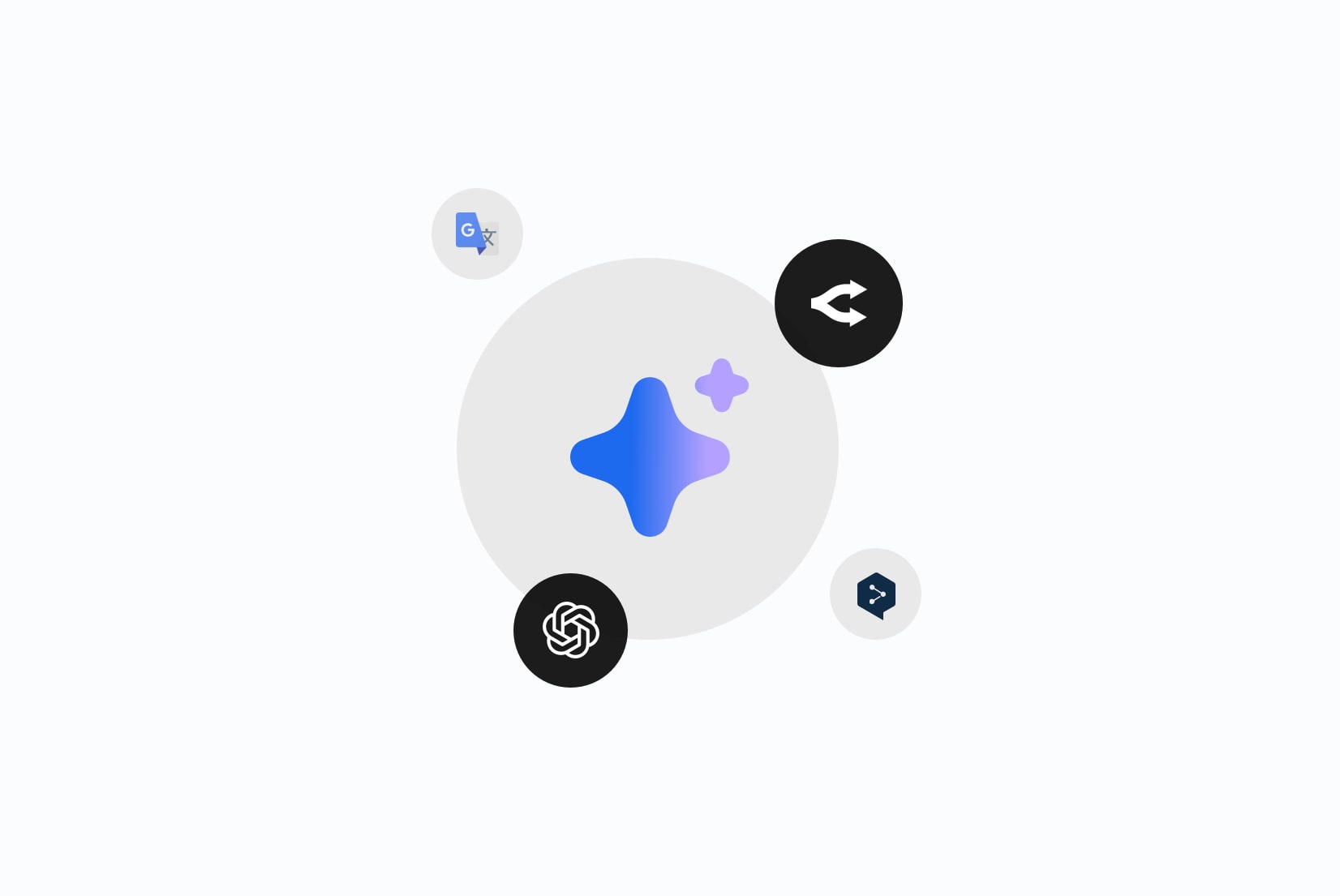
Tips for effective auto-translation in software localization
Check out our tips for effective auto-translation in software localization using SimpleLocalize. Learn how to set up your project for best auto-translation results.
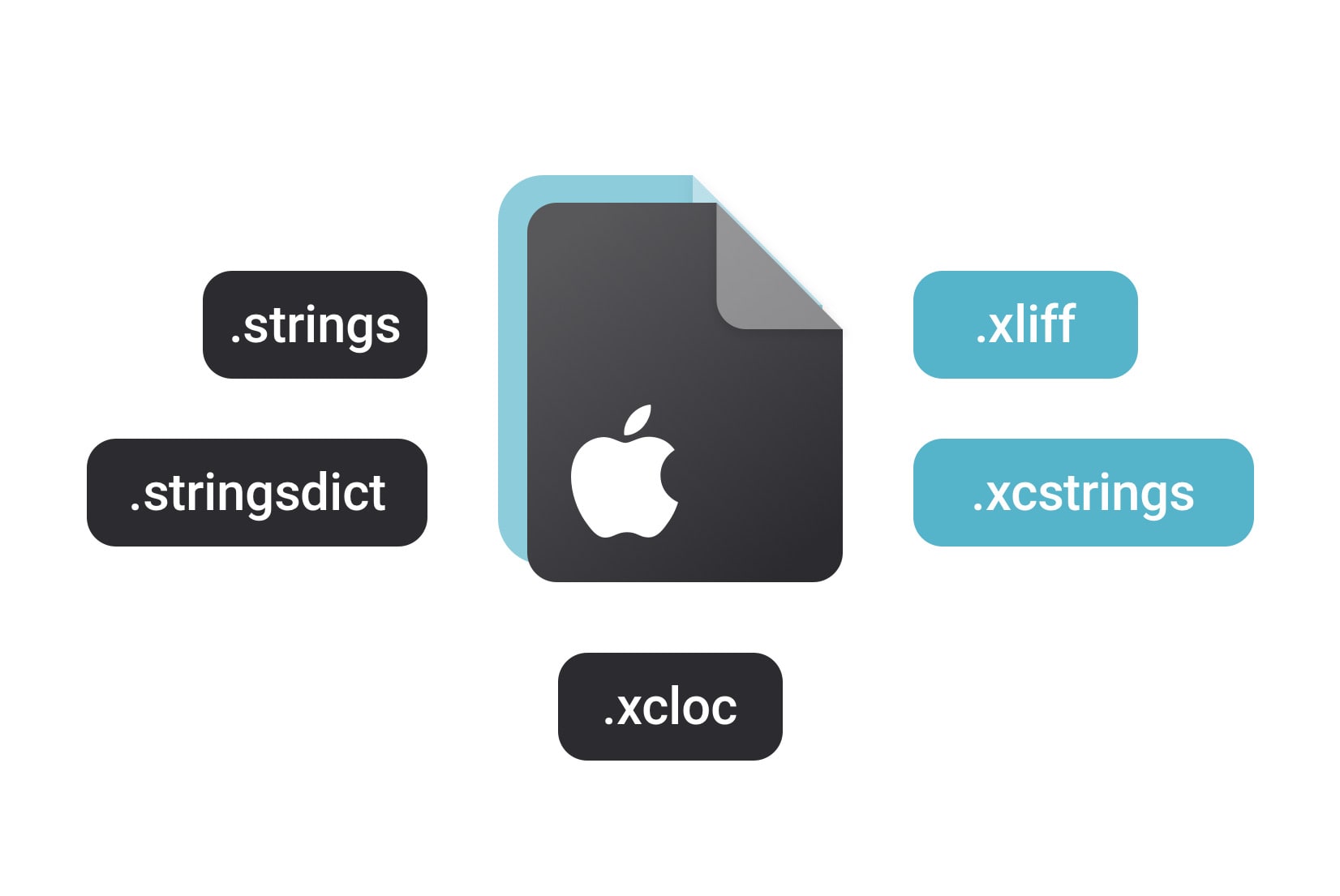
How to manage iOS translation files (.strings, .xcstrings, .xliff)
Learn how to manage iOS translation files (.strings, .stringsdict, .xcstrings, .xcloc, .xliff) effectively and improve your localization workflow with SimpleLocalize.
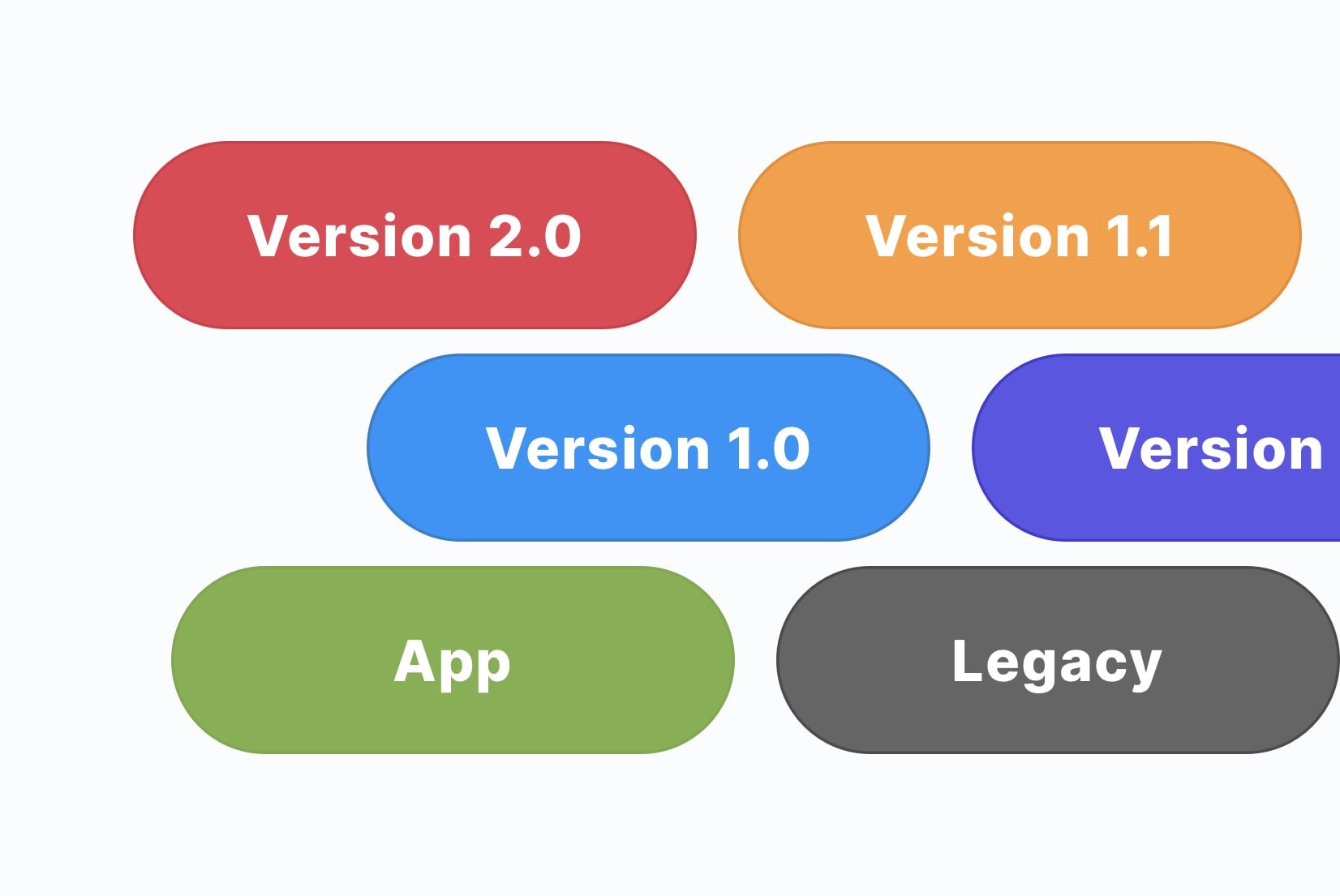
How to manage translation file versioning with tags
Learn how to manage translation file versioning using translation key tags in SimpleLocalize. Organize releases and track changes with a simple tagging workflow.

How to translate PO and POT files
Learn how to translate PO and POT files easily with gettext for software localization. Step-by-step guide with examples, best practices, and tools like SimpleLocalize.
Crowdsource translations with public suggestions
Learn how to crowdsource translations and collect user feedback with SimpleLocalize Public Suggestions. Engage your community in app localization.
How to auto-translate YAML files
Skip manual edits. Learn how to auto-translate YAML files with SimpleLocalize using upload, batch MT, and CI/CD so every push ships with fresh translations.
How to translate YAML files for localization (2026 guide)
How to translate YAML localization files correctly, covering structure, common errors, framework-specific patterns, and translation workflows from manual to fully automated.
YAML vs JSON for translation files: Which should your team actually use?
YAML or JSON for translation files? The answer depends on your stack and who edits the files. Here's the practical decision guide for developers with framework mappings, real examples, and a hybrid approach most teams end up using.
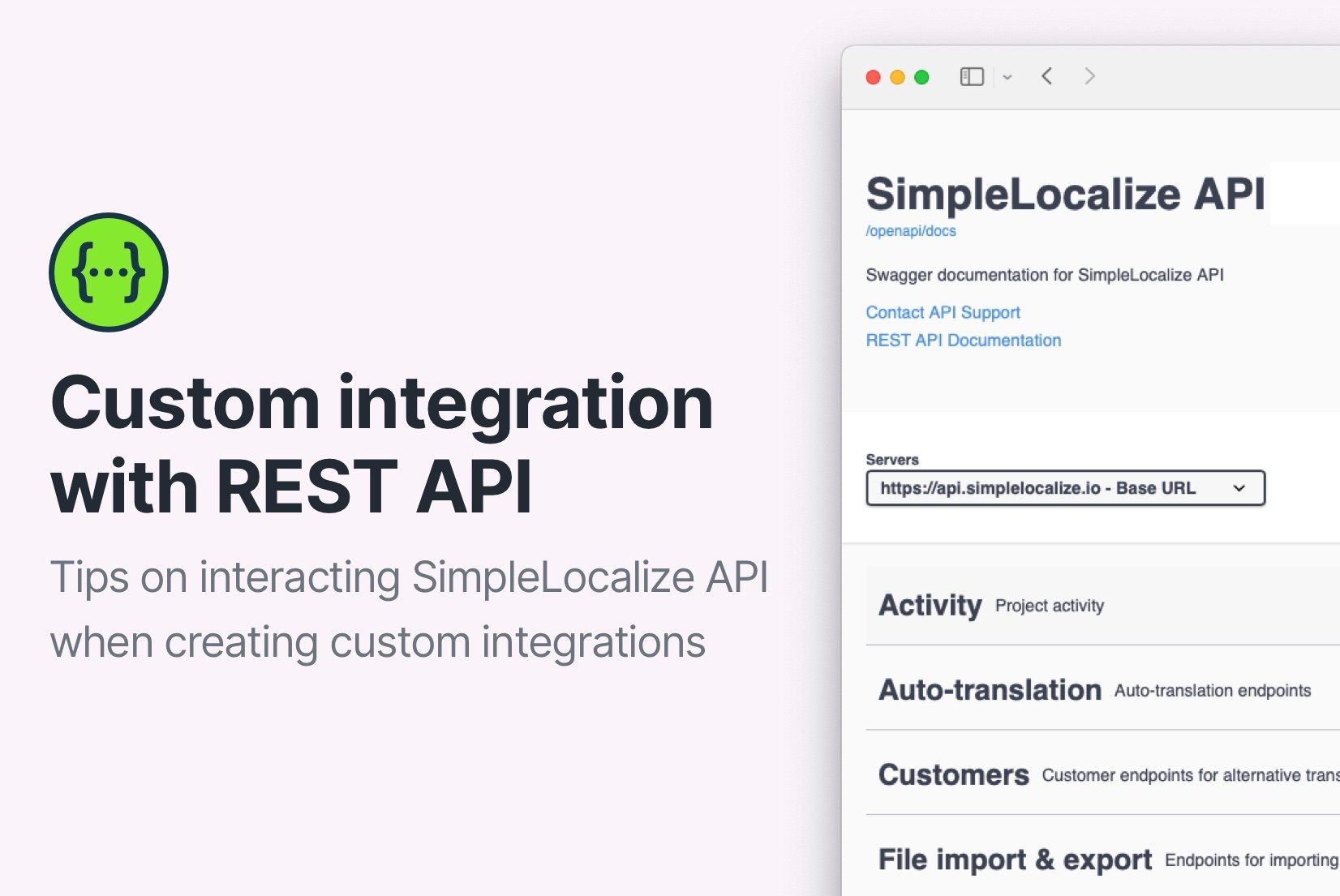
Custom integrations for SimpleLocalize
Create a SimpleLocalize integration for your custom translation tool. Learn the best practices and tips for building a custom integration that works seamlessly with SimpleLocalize.
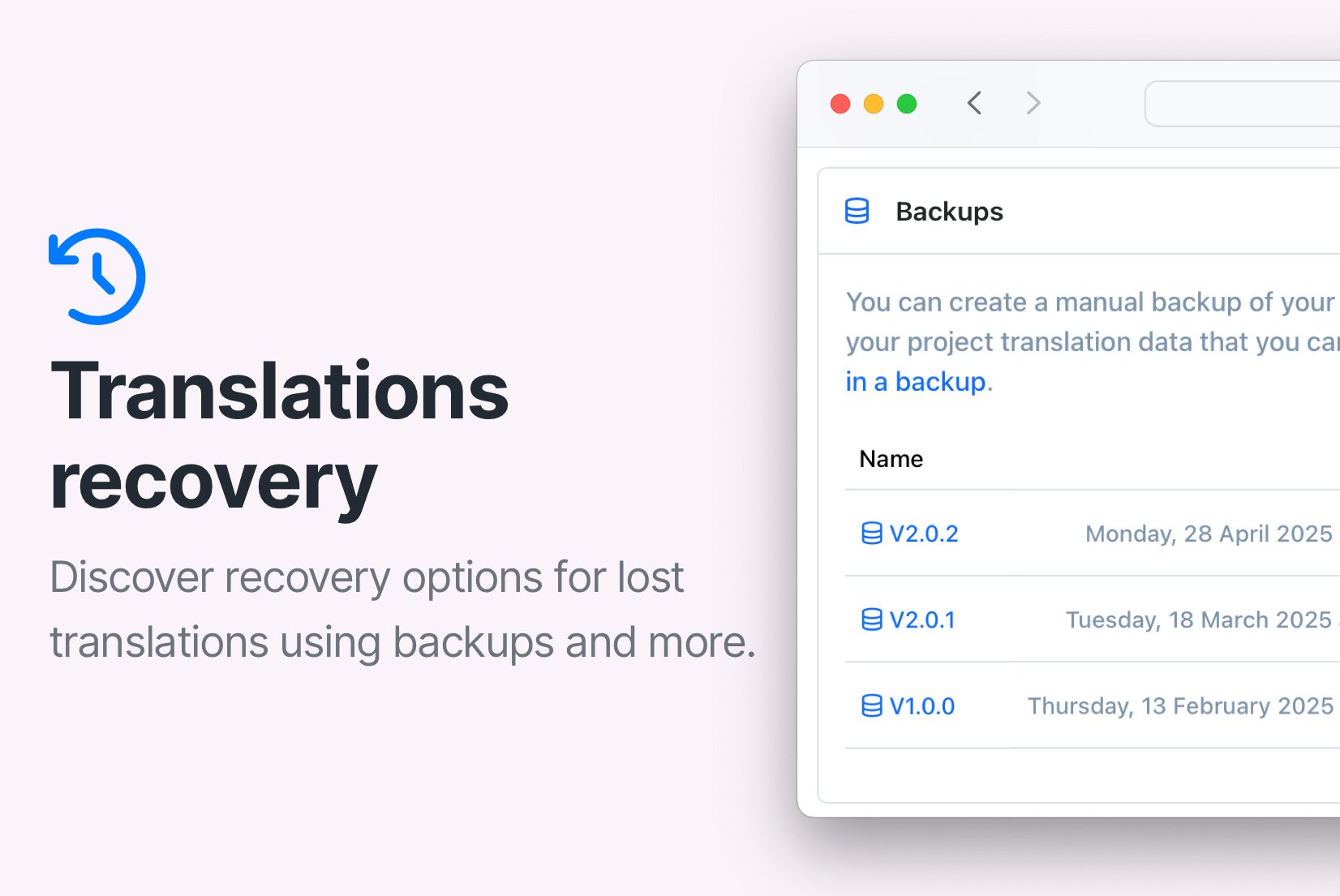
How to recover lost translations in SimpleLocalize
Recover lost translations in SimpleLocalize with manual backups, automatic snapshots, uploaded files, or by using Translation Hosting files.
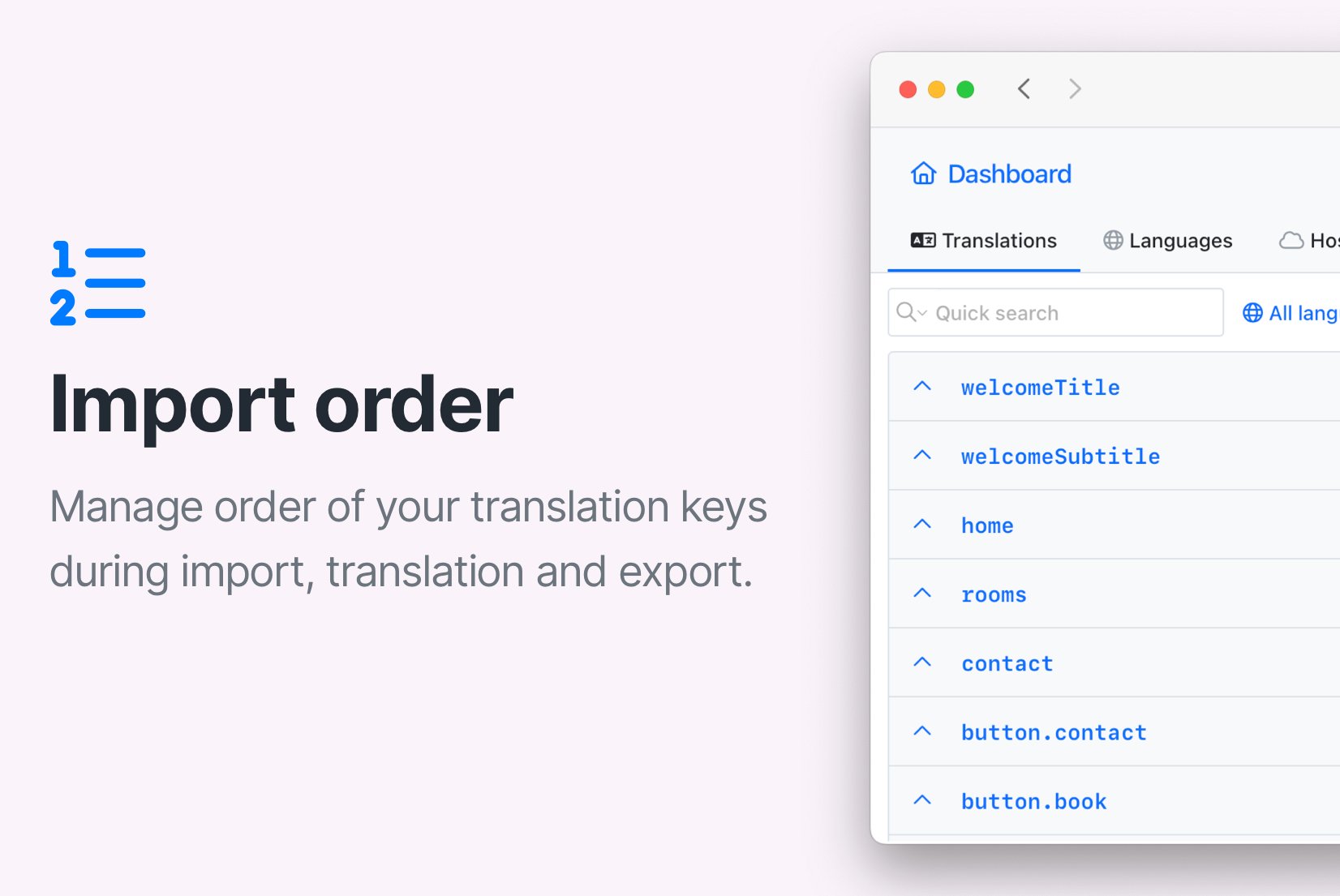
How to keep translation keys in order
Learn how to keep translation keys in order in your localization files and why it matters. Explore sorting options and the use case of random order.
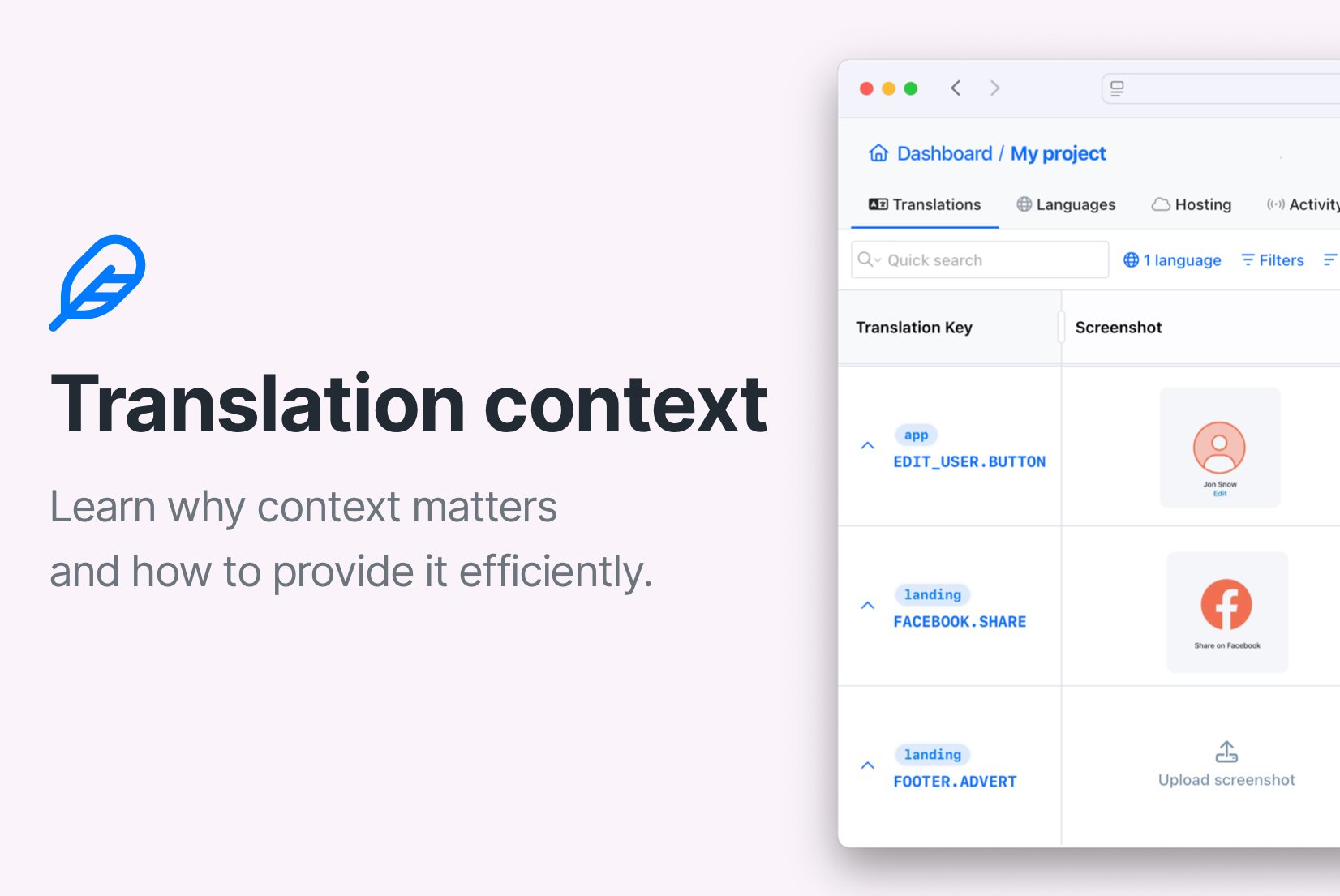
Context in Localization
Discover the importance of context in localization and how it can enhance the quality of your translations. Learn how to provide context to translators in SimpleLocalize.
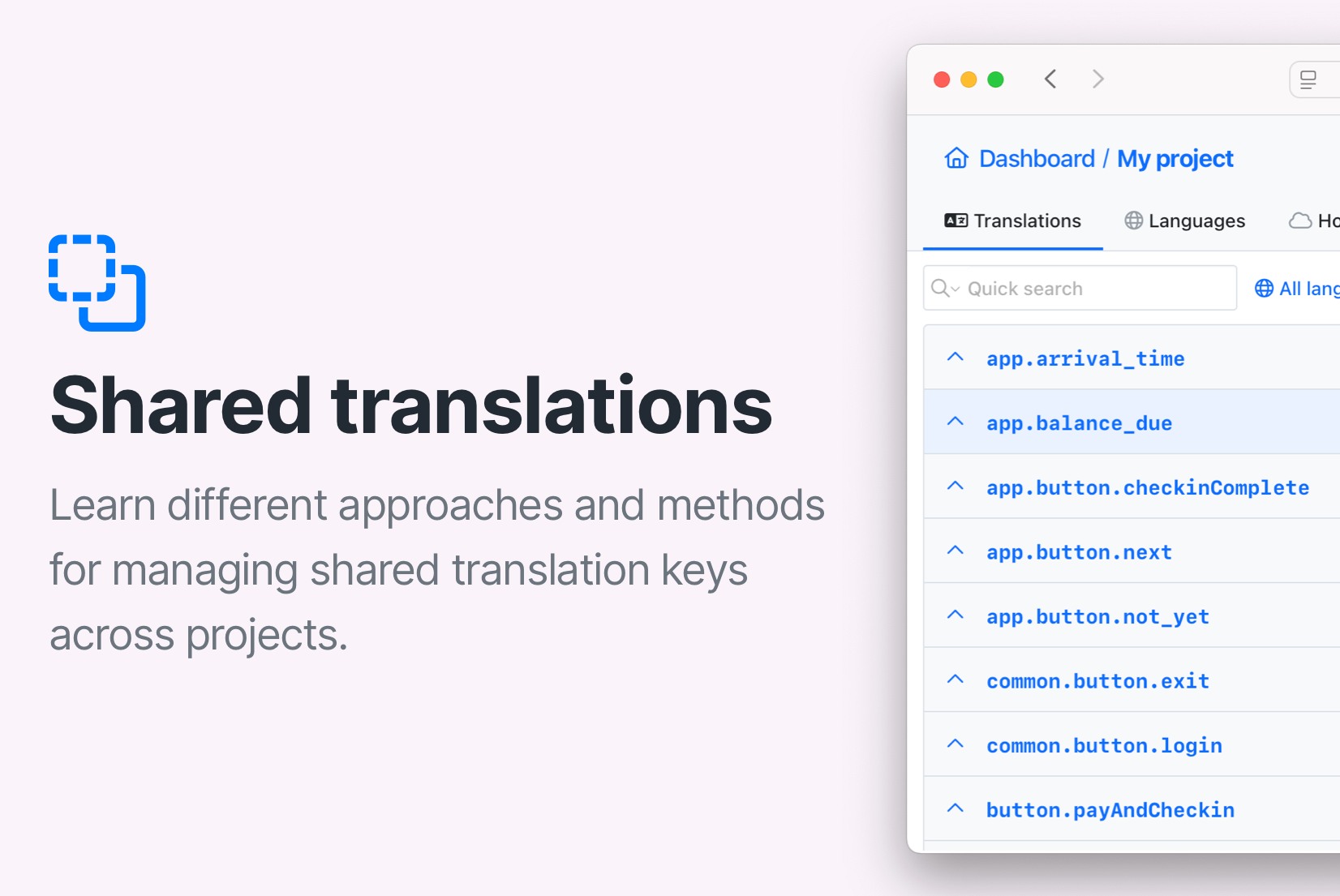
How to manage shared translation keys across projects
Learn how to efficiently manage shared translation keys across multiple projects in SimpleLocalize to keep translations consistent and easy to maintain.
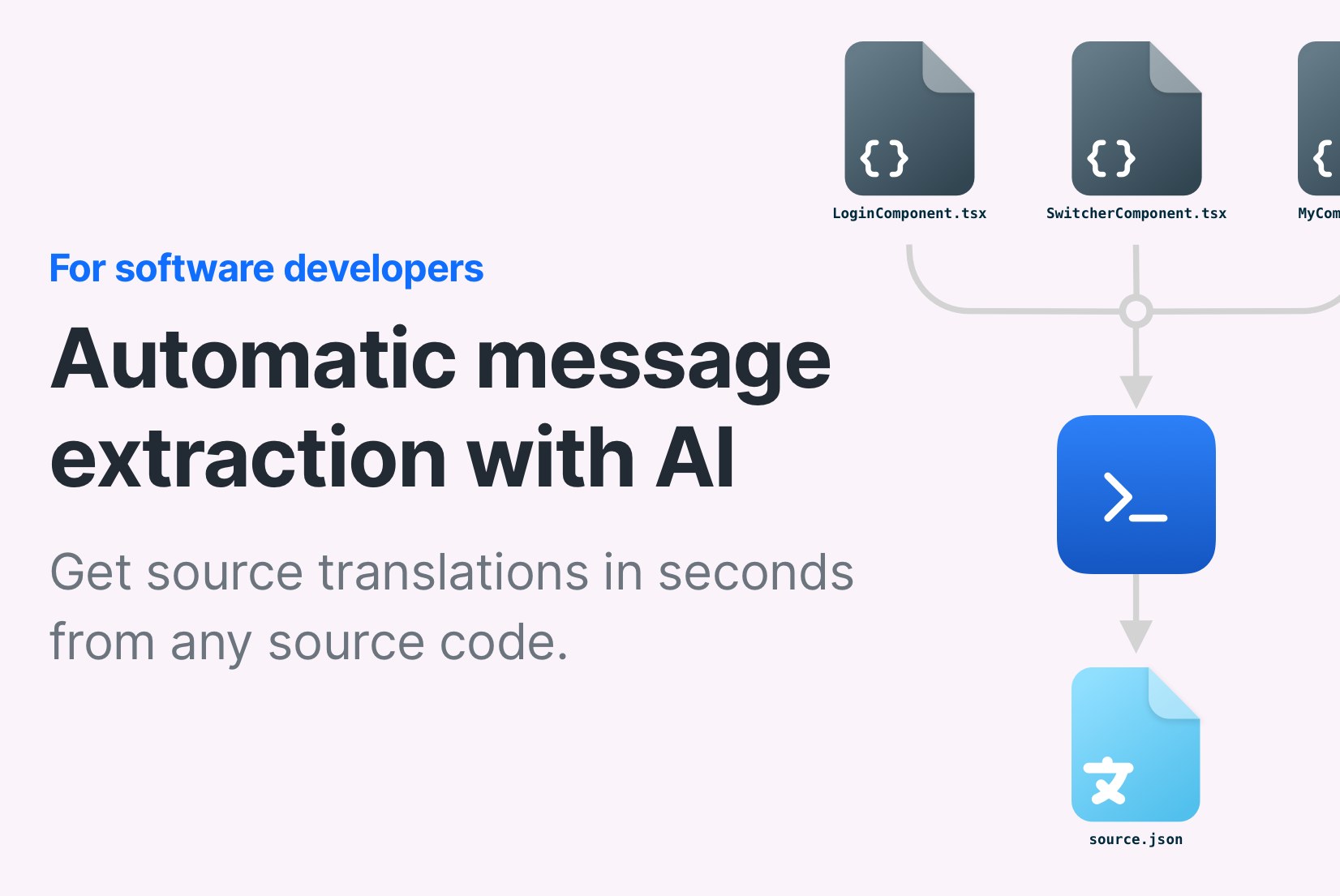
Automatic message extraction with AI
Quick message extraction with using npx and OpenAI. Extract messages and auto-create translation keys using AI. Get source translations in seconds from your source code.
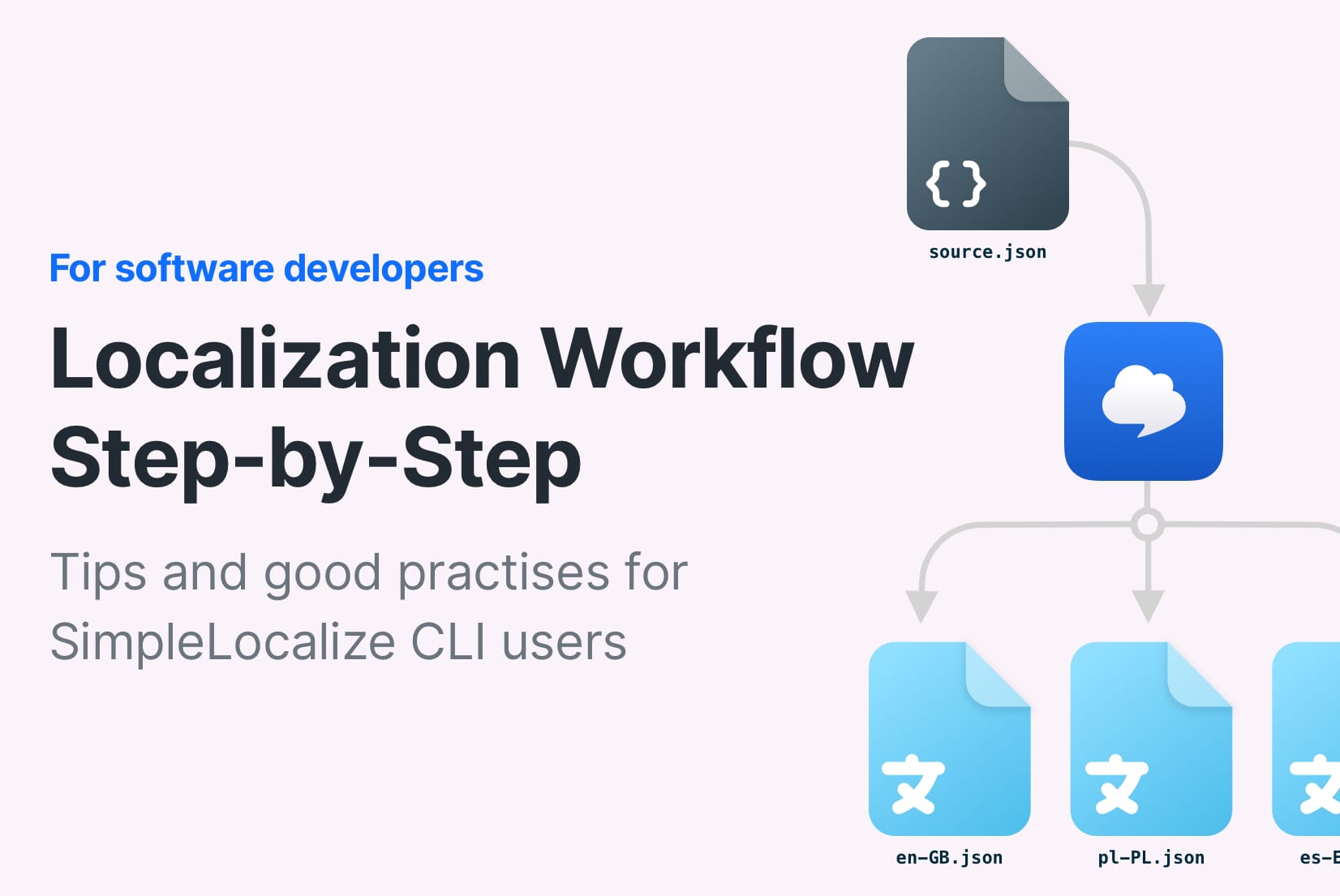
Localization workflow for developers: From CLI setup to CI/CD automation
Learn how to build a scalable localization workflow for developers. Set up CLI sync, automate translations, and integrate localization into your CI/CD pipeline.
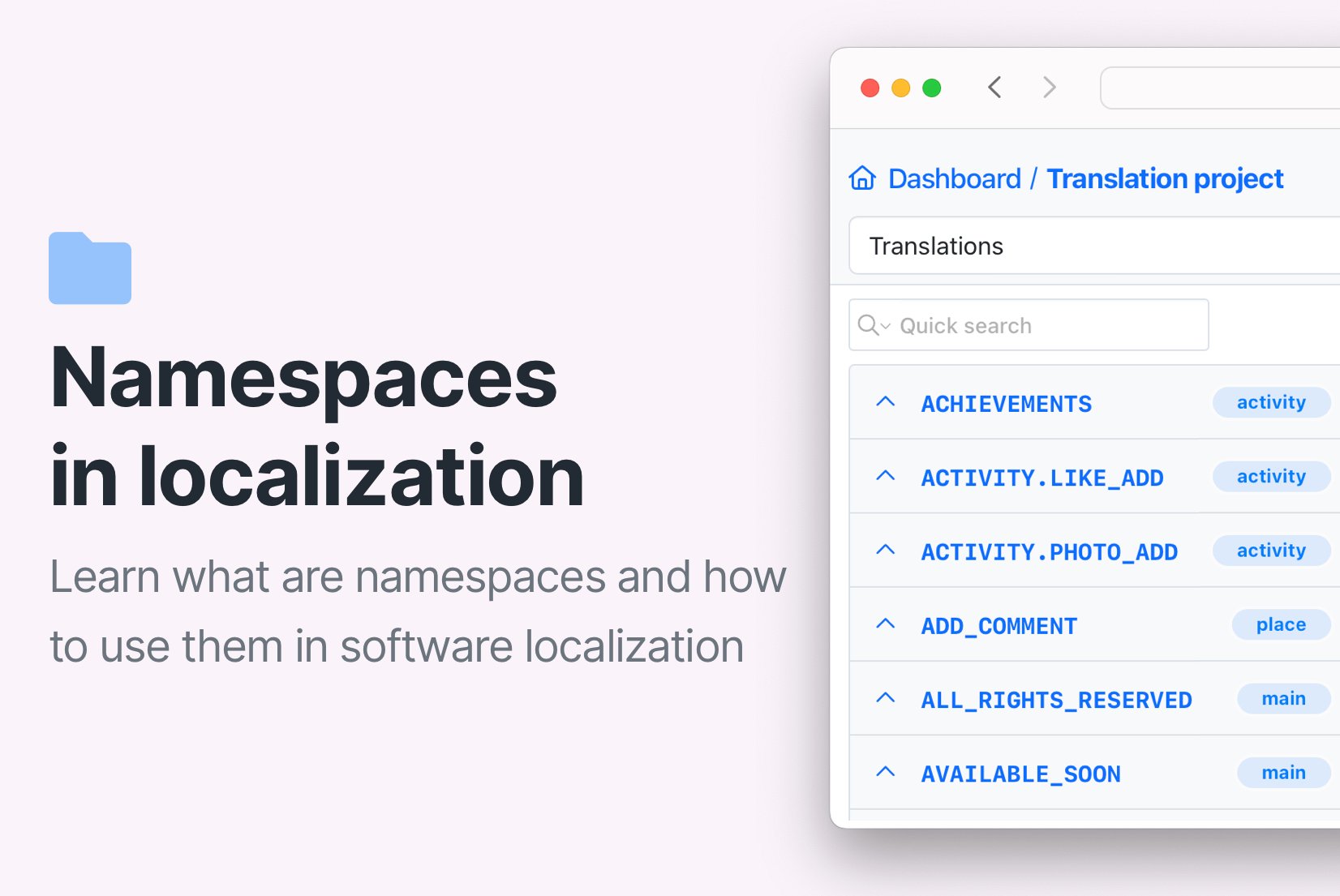
Namespaces in software localization
Namespaces are a great way to organize translations in software localization. Learn what namespaces are, why they are important, and how to use them in your localization process.
How to localize React app using i18next
Learn how to localize your React app using i18next and react-i18next. This step-by-step guide will show you each step of React app internationalization from scratch.

How to translate a webpage: The complete guide (2026)
How to translate any webpage in Chrome, Safari, Firefox, Edge, and on mobile — plus when browser translation isn't enough and what developers do instead.
Translation editor: How to translate Markdown files
Learn how to translate and auto-translate Markdown files using SimpleLocalize's Text Editor feature in the Translation Editor.
Simple AI-powered app localization with ChatGPT
Auto-translate your app with ChatGPT and SimpleLocalize to automate the localization process. A step by step guide on how to integrate ChatGPT with SimpleLocalize.
How to control translation quality with QA checks and review statuses
Improve translation quality with automatic QA checks and review statuses. Learn how to detect issues early, improve review processes, and ensure high-quality translations.
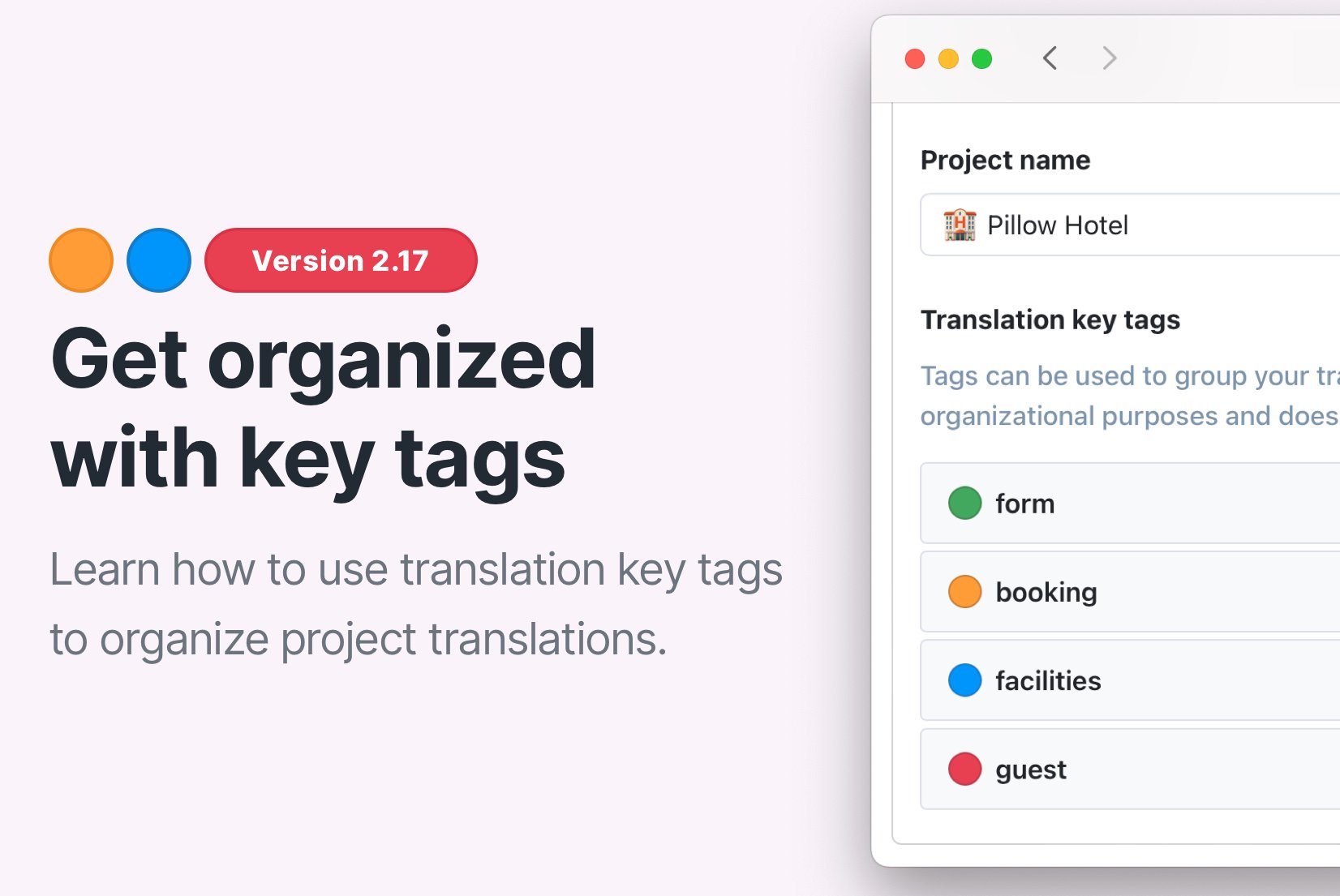
Organize translation keys with Tags
Organize translation keys with tags in SimpleLocalize. Learn how to create, assign, and filter tags to streamline your localization workflow and team collaboration.
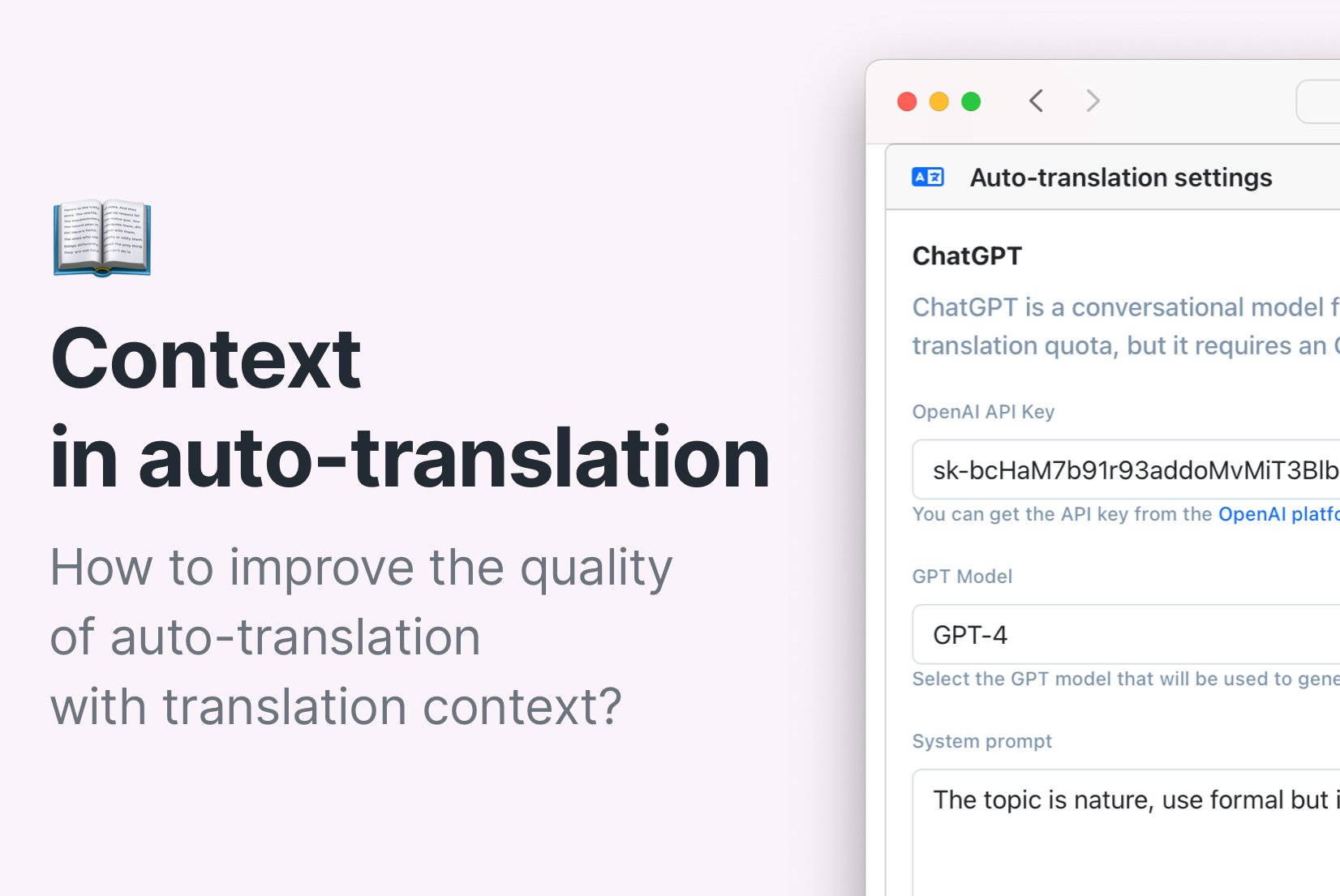
ChatGPT and DeepL translation context in auto-translation
Learn what is context in auto-translation and how to use ChatGPT and DeepL translation context feature to improve the quality of your auto-translation using SimpleLocalize.
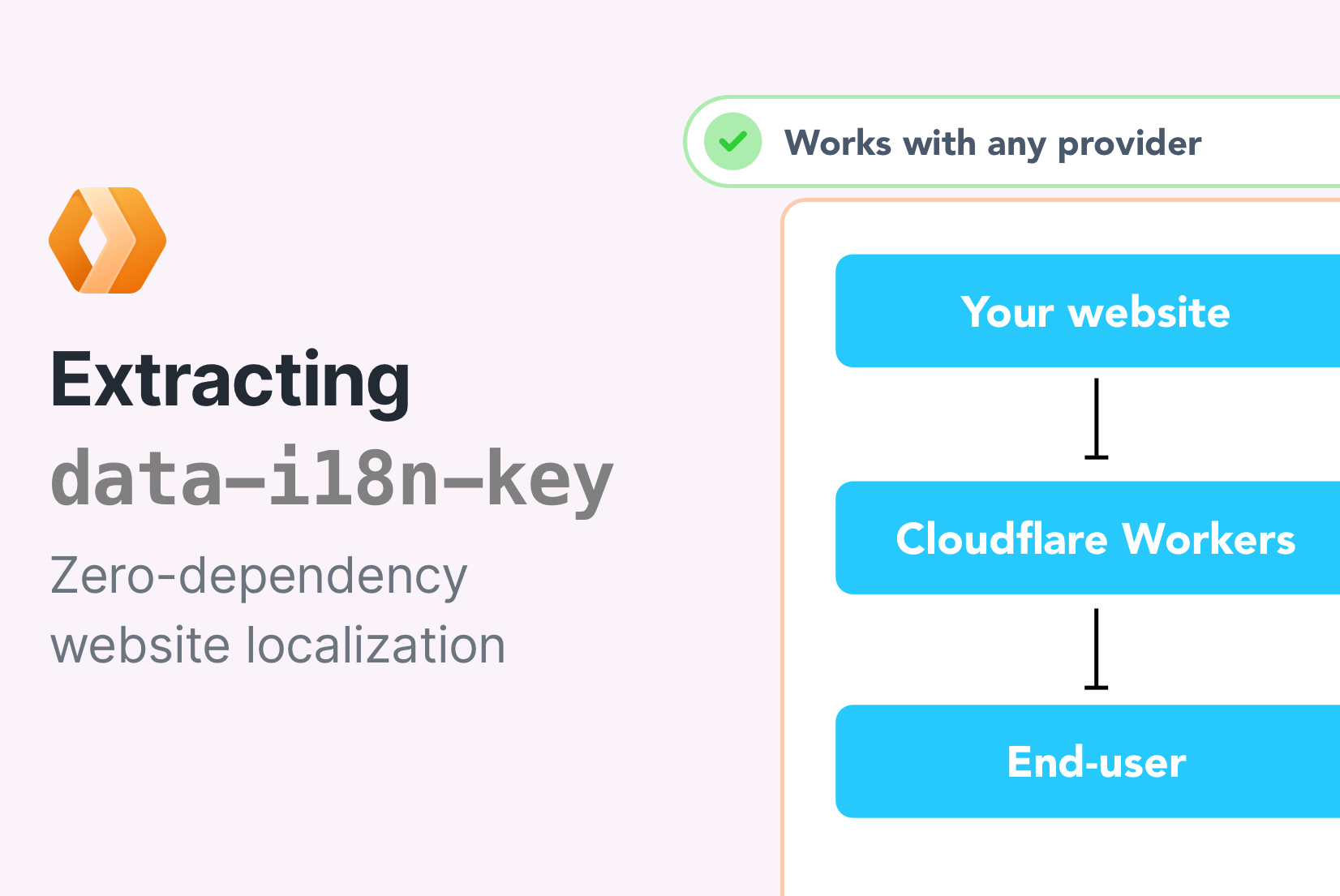
Cloudflare Workers and Website Localization (2/5)
In this tutorial, how to extract translation keys and translations from a HTML website and upload them to SimpleLocalize using the SimpleLocalize CLI.
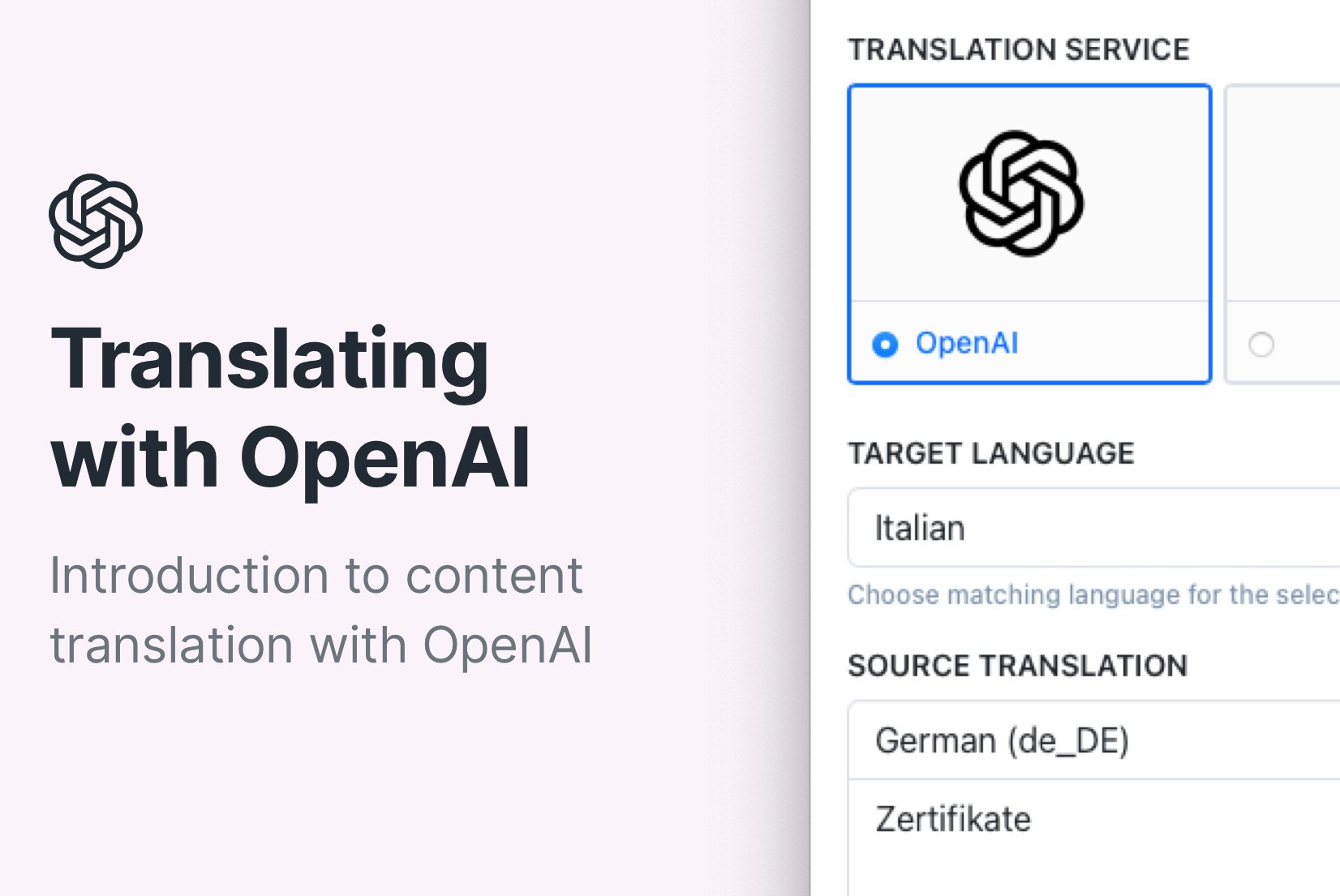
How to translate a website or app using OpenAI?
Learn how to translate your website or app with OpenAI and SimpleLocalize. Explore benefits, limitations, and step-by-step integration setup for smooth translations.
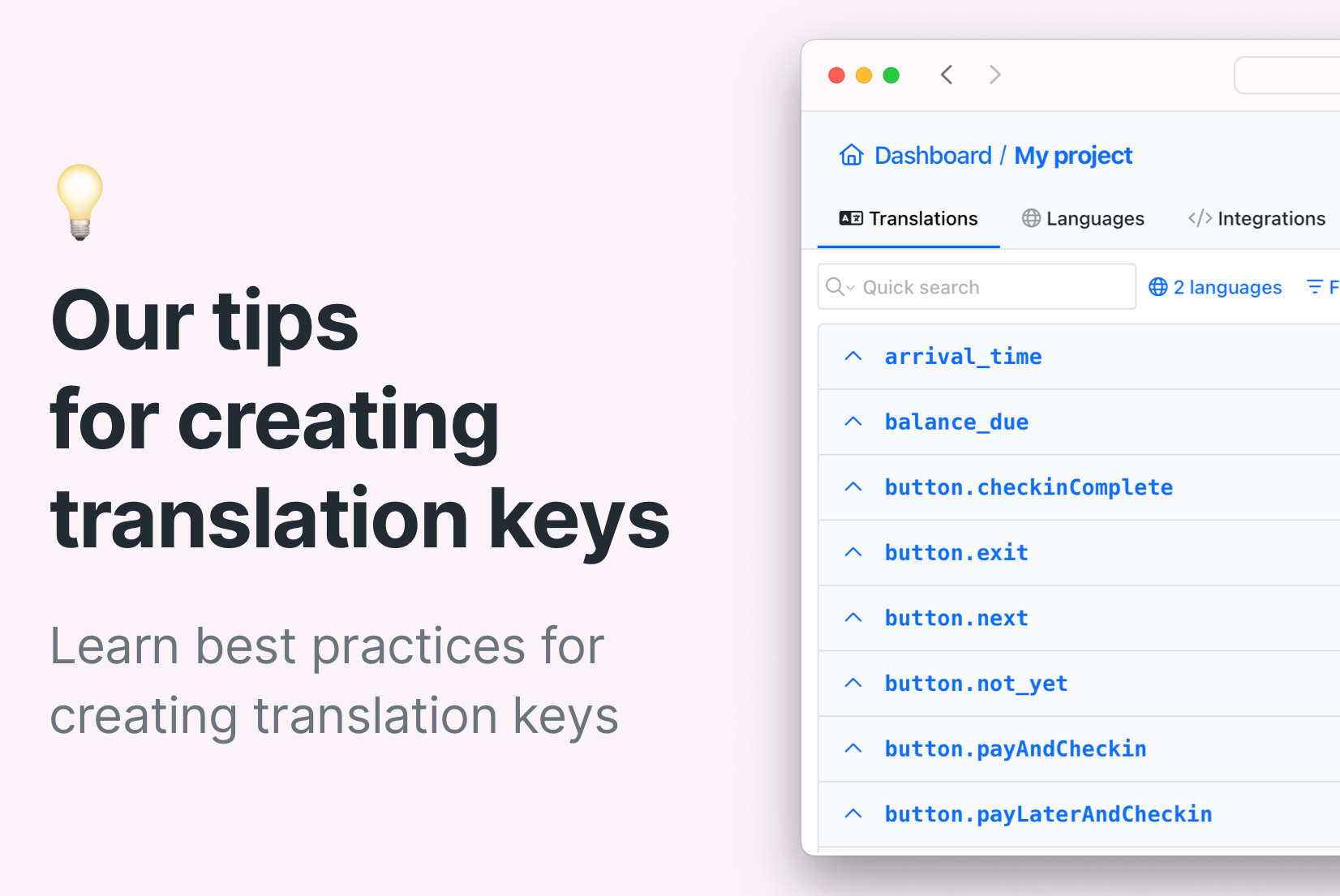
Best practices for creating translation keys
Discover best practices for creating translation keys that are clear, consistent, and easy to manage to improve and optimize your app localization process.
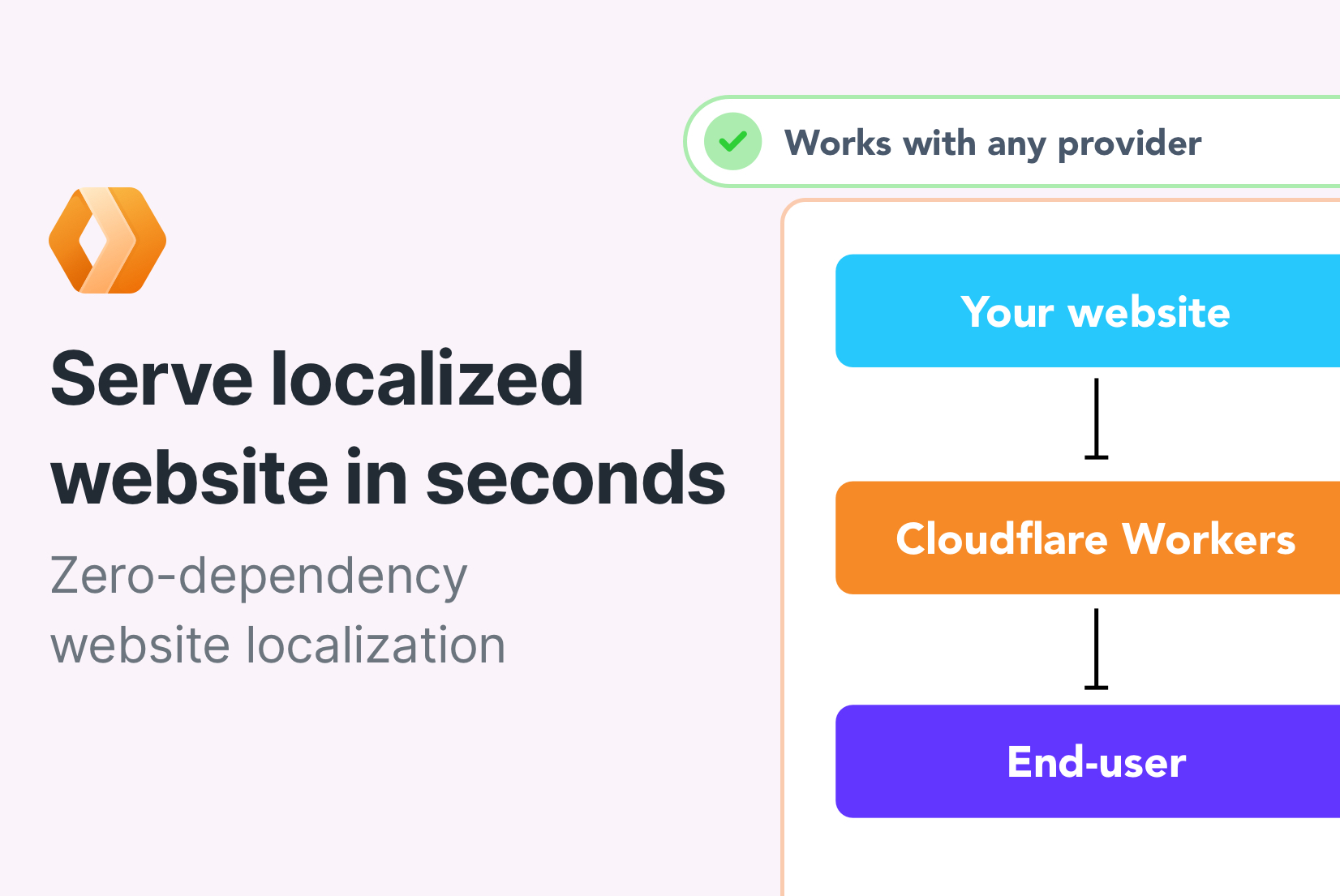
Cloudflare Workers and Website Localization (1/5)
Learn how to localize a static website using Cloudflare Workers and SimpleLocalize, no dependencies required. Works with HTML, React, Vue, and more.
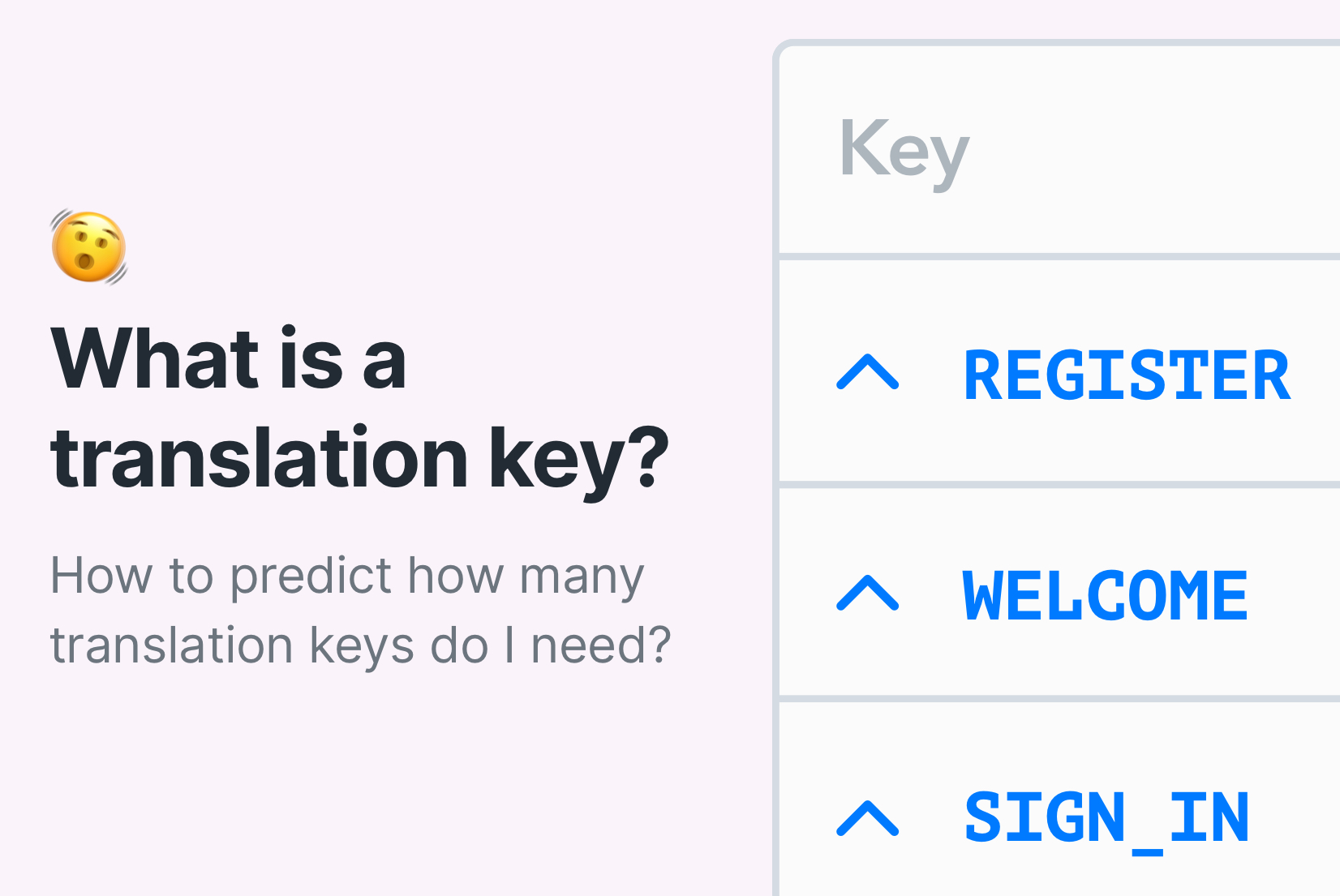
What is a translation key? A guide with examples
Learn what is a translation key, how to create them, and how they look like in your project and SimpleLocalize.
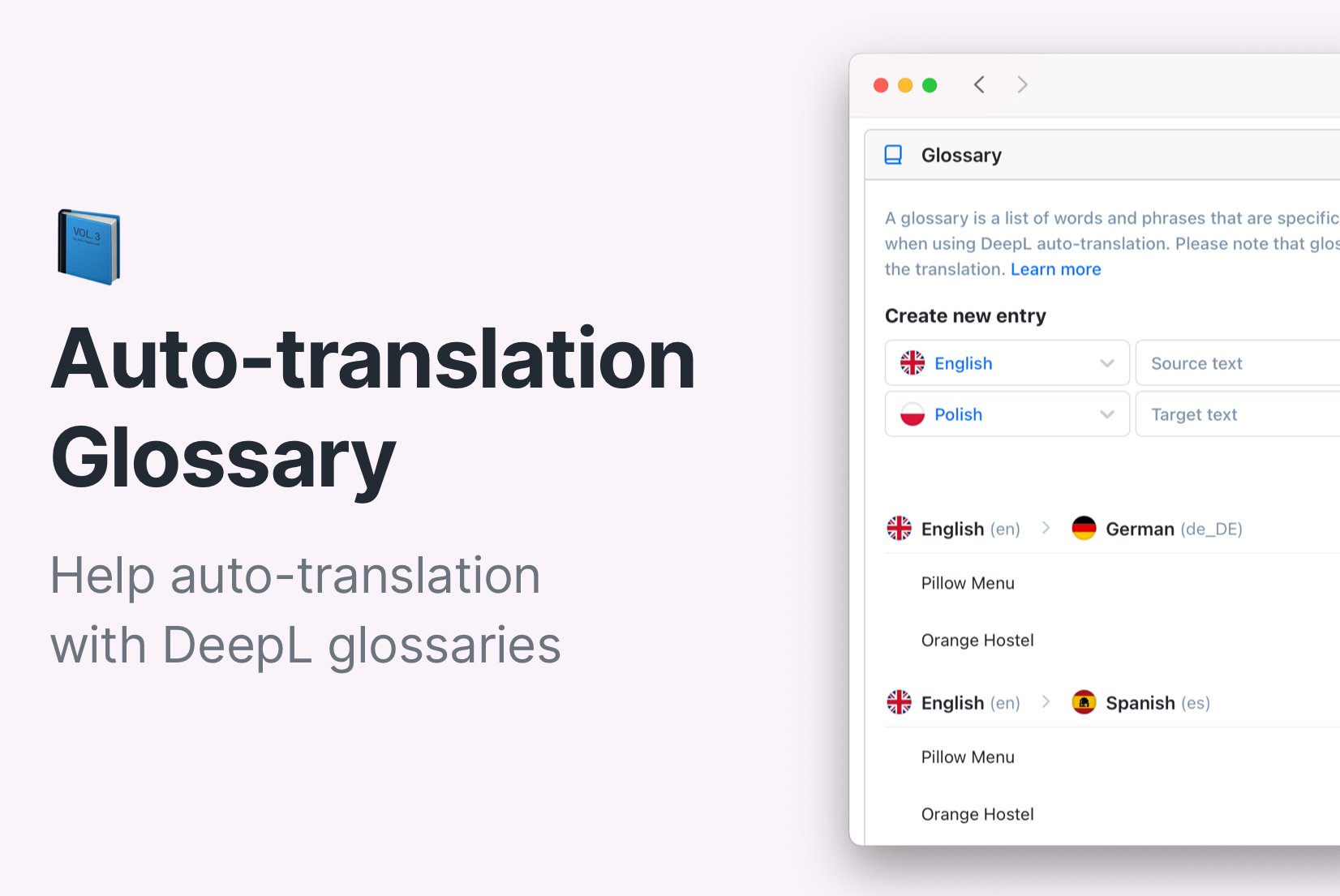
DeepL Glossary in auto-translation: A guide with examples
Improve auto-translation results with DeepL glossaries. Create preferred translations for your language pairs for a consistent and accurate translation.
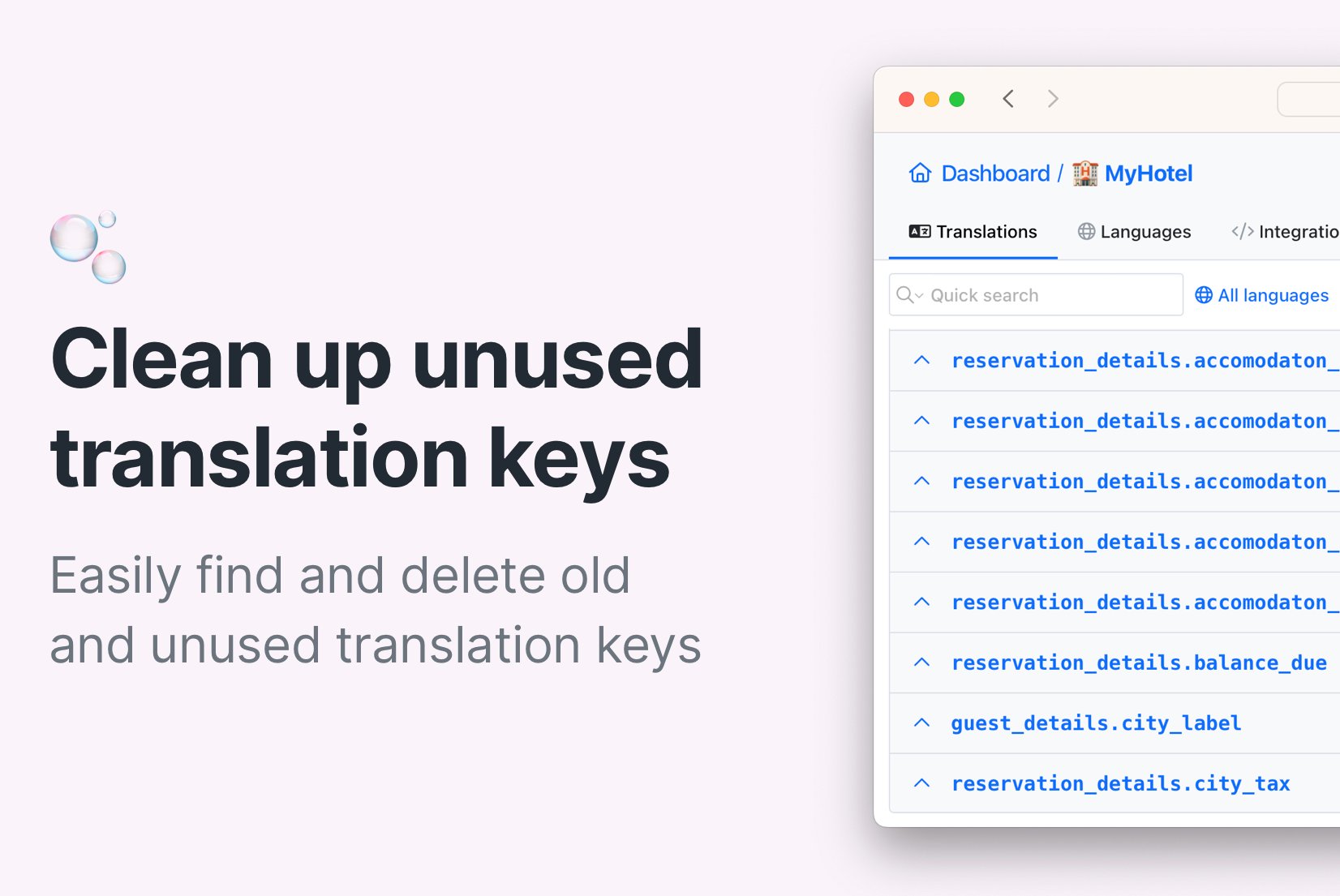
How to find and delete unused translation keys
Clean up your translation files by deleting unused translation keys. Find old translation keys and delete them for clear overview of your translations.
Automate translation updates with review statuses
Automate translation updates with review statuses in SimpleLocalize. Keep translations consistent across languages and versions with less manual effort.
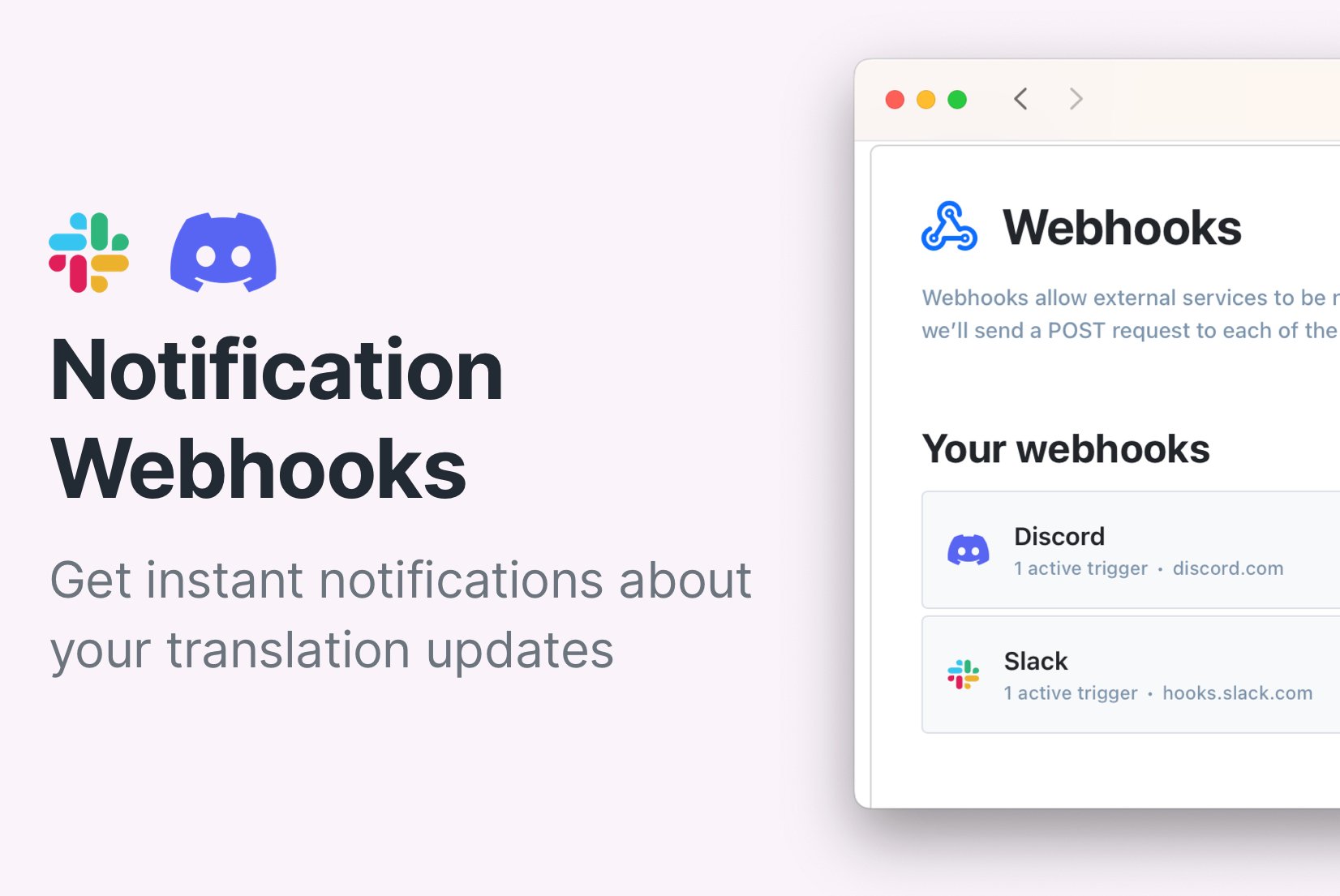
Get notified about translation changes with SimpleLocalize Webhooks
Improve your translation updates workflow using SimpleLocalize Webhooks and integrations with Slack, Discord and Microsoft Teams.
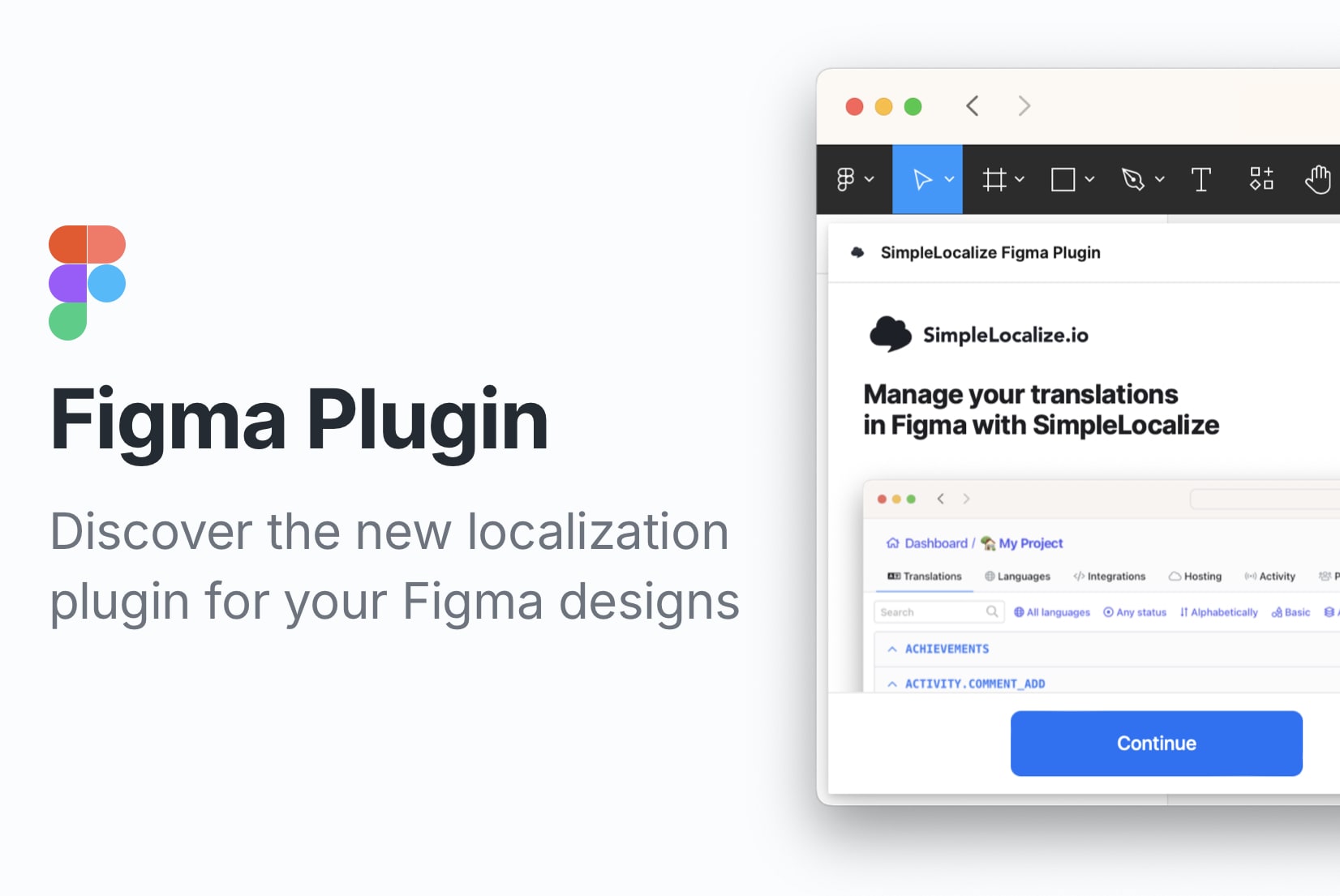
Translation management with Figma plugin
Localize your Figma designs effortlessly with the SimpleLocalize plugin. Manage translations, collaborate with teams, and see your design in multiple languages.
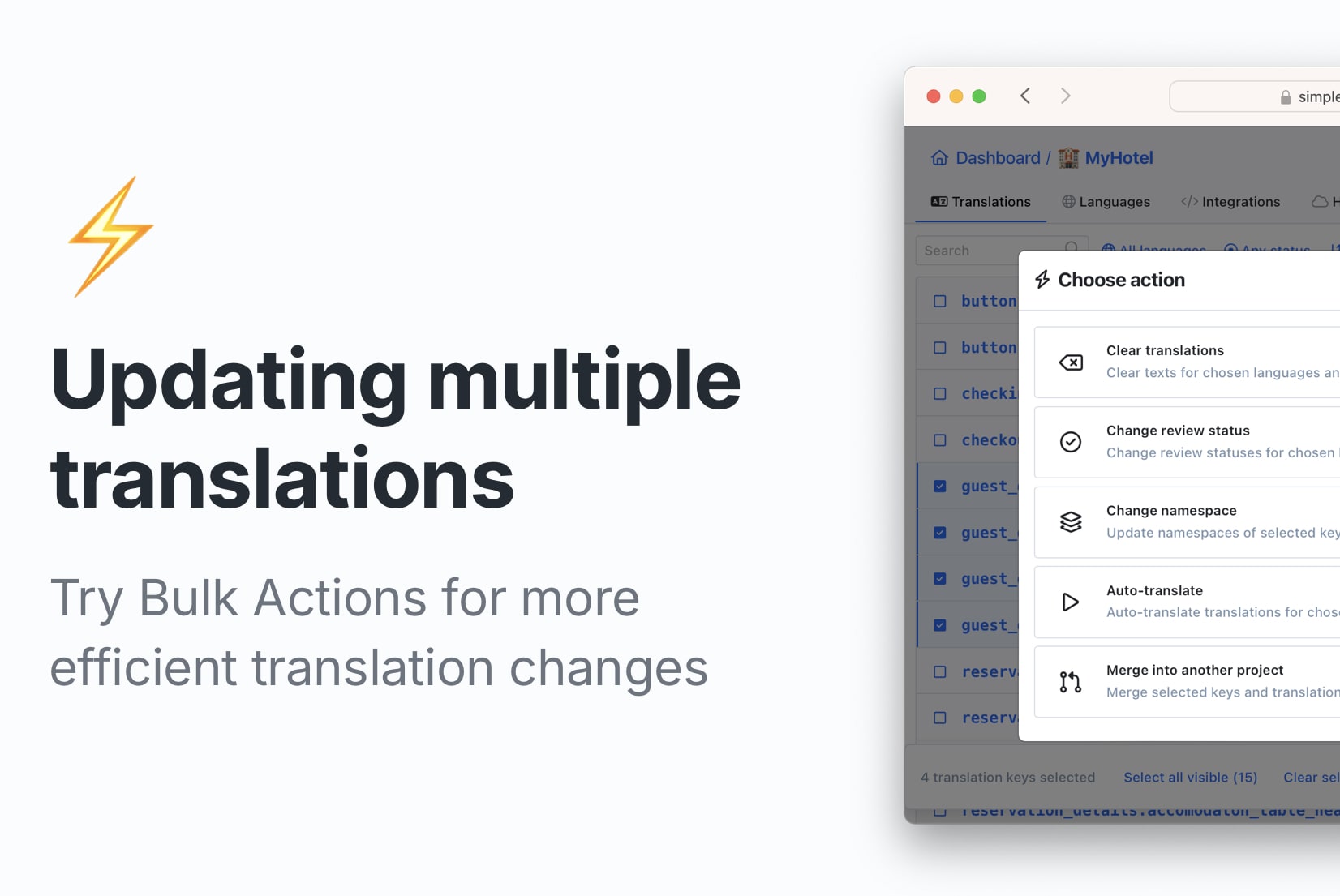
How to manage set of translations and keys with Bulk Actions
Simplify translation management with SimpleLocalize's Bulk Actions — delete, update, review, or auto-translate multiple keys at once for efficient localization.
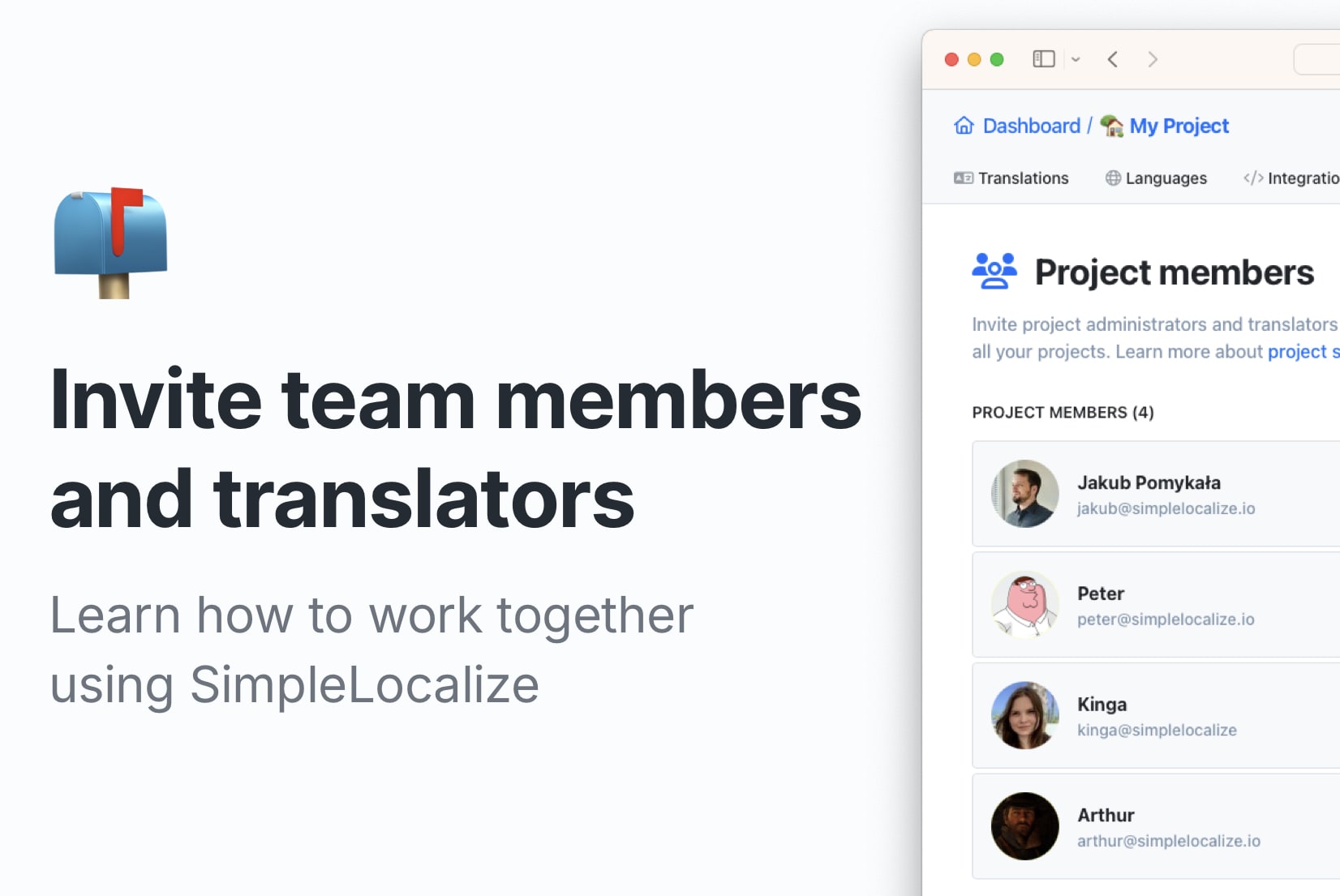
Getting started: Invite team members and translators
Learn how to work together using SimpleLocalize! Invite team members, share access, and make localization easy.
How to share translation keys across multiple apps?
Easily manage translations across multiple apps with SimpleLocalize's key merging feature. Save time, reduce duplication, and keep your localization consistent.
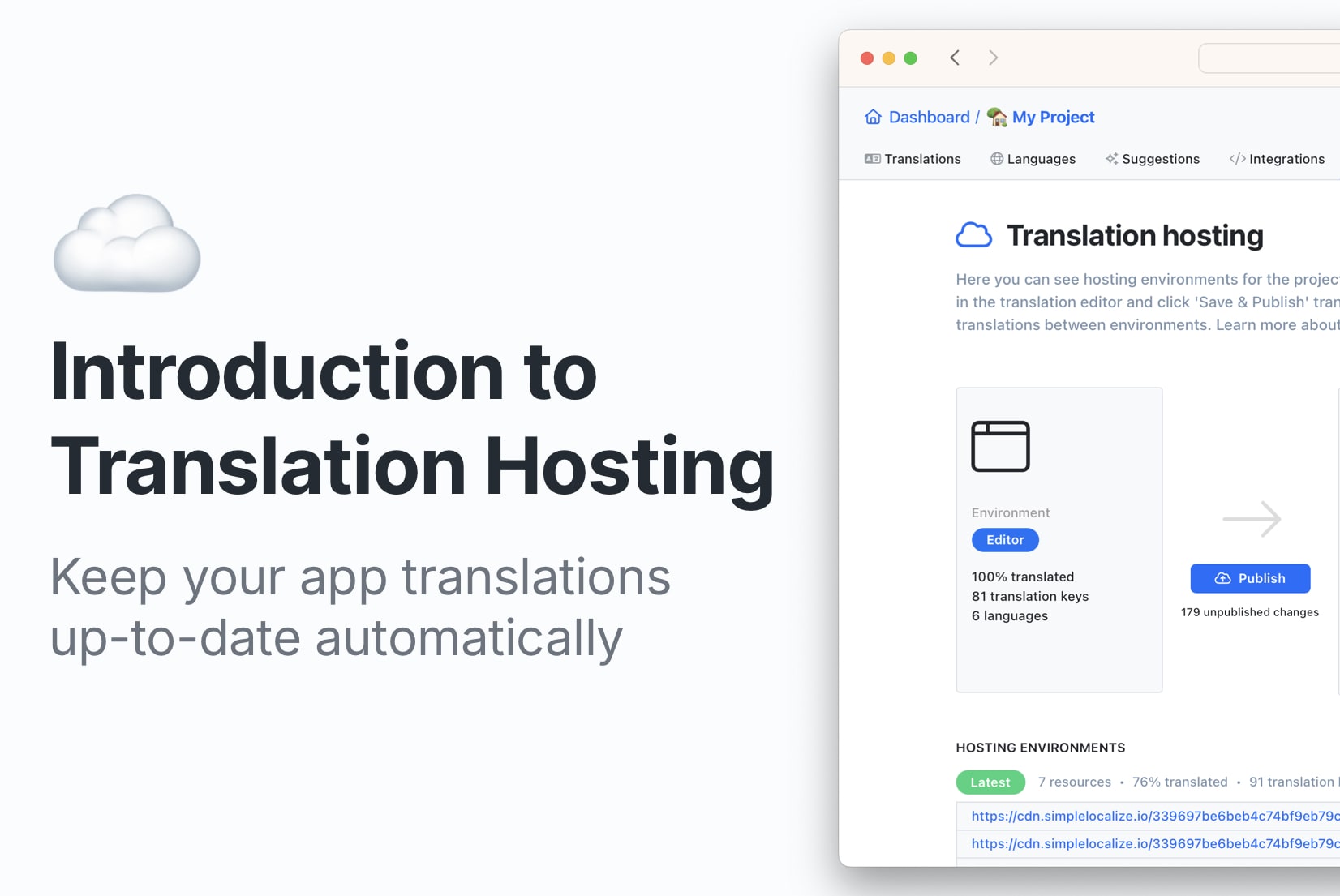
Translation Hosting: How to update translations automatically?
Save time with automatic translation updates. Try SimpleLocalize Translation Hosting to keep your app's translations up to date effortlessly in any environment.
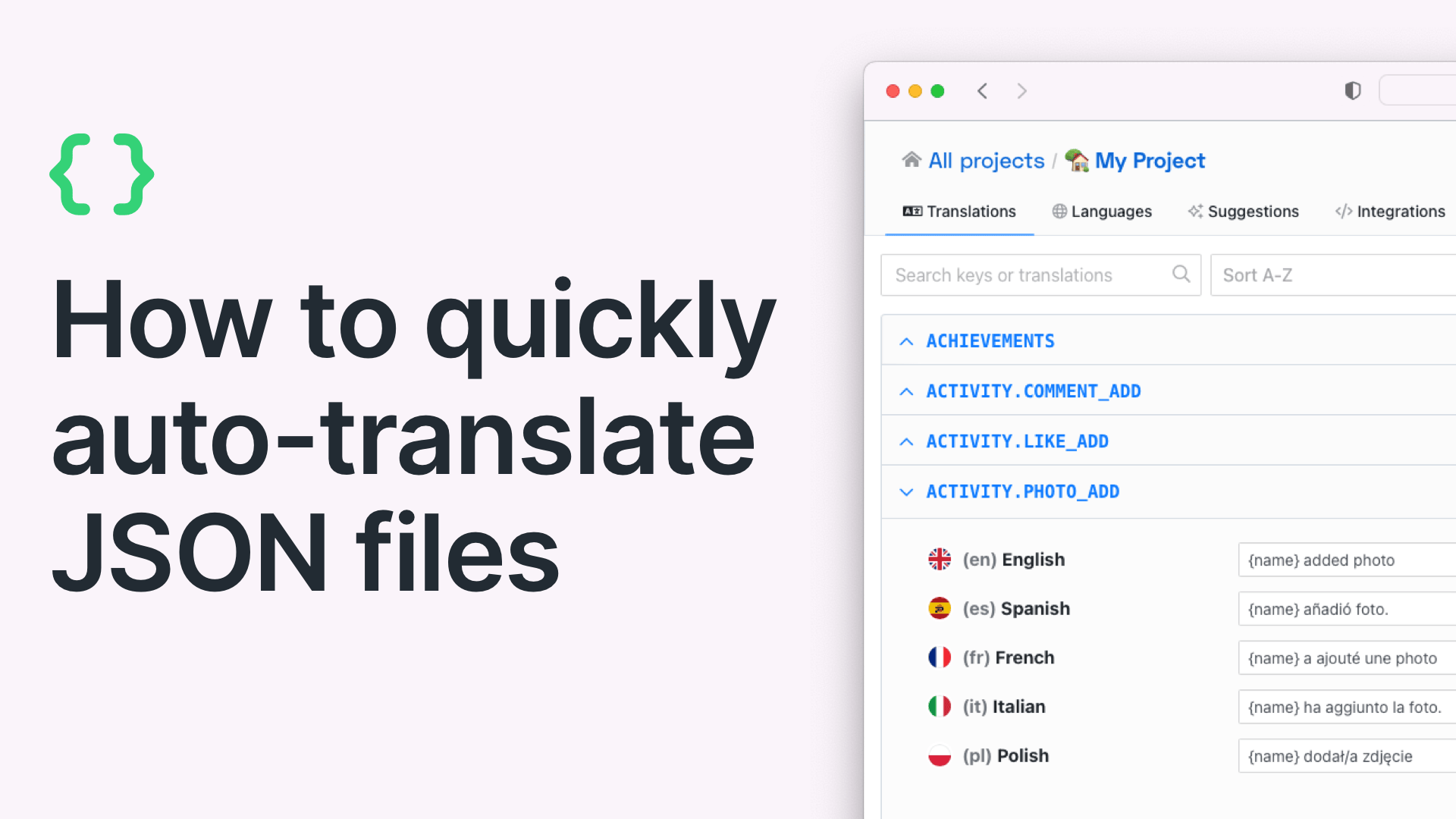
How to auto-translate JSON files for app localization (2026 guide)
How to auto-translate JSON translation files using AI and machine translation. Covers manual approaches, CLI workflows, CI/CD automation, and common pitfalls that cause JSON localization to break.

How to get started with a Translation Management System (TMS)
Learn how to get started with a Translation Management System (TMS) and set up an efficient localization workflow using SimpleLocalize as an example.
Keyboard shortcuts for Translation Editor
Learn how to use the Translation Editor keyboard shortcuts to speed up your translation workflow with SimpleLocalize.
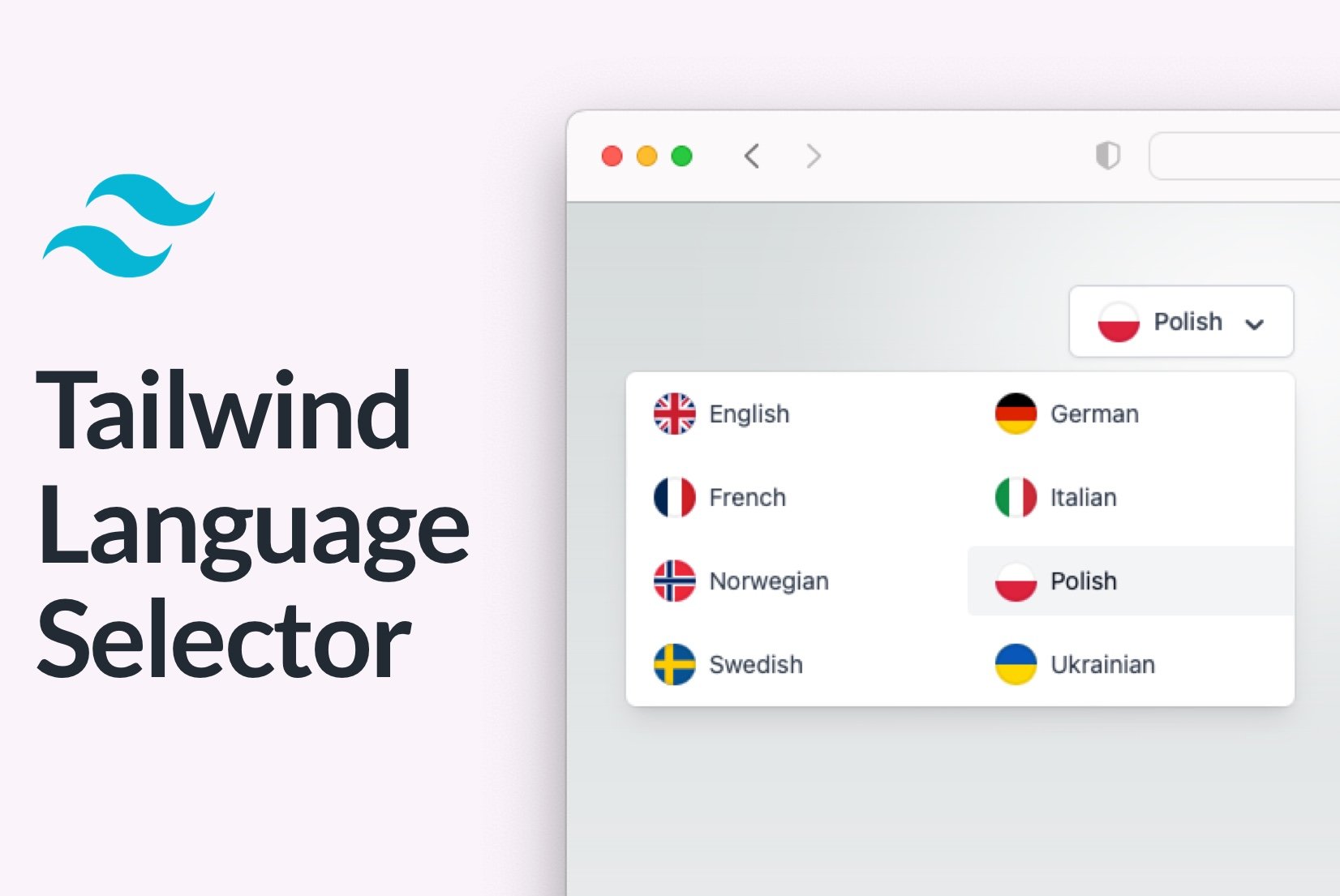
How to create a language selector with Tailwind CSS
Learn how to create a language selector for your website easily using Tailwind CSS. Follow our step-by-step guide for seamless localization.
SimpleLocalize: Tips & Tricks
Learn our tips for using SimpleLocalize. Take advantage of the i18n editor's capabilities, automate the translation process and localize your software.

ICU message format: Guide to plurals, dates & localization syntax
Learn ICU message formatting with real-world examples for plurals, numbers, dates, and more. Understand how ICU improves software localization and translation quality.

Java 24: Internationalization
Learn how Java 24 handles internationalization and localization using `Locale`, `ResourceBundle`, and formatting for dates, numbers, and currencies.
Spring Boot 3.5: Internationalization (i18n) with messages.properties
Learn how to implement internationalization in Spring Boot 3.5 application. Translate page and email using message.properties files, Thymeleaf templates, LocaleResolver, and more.
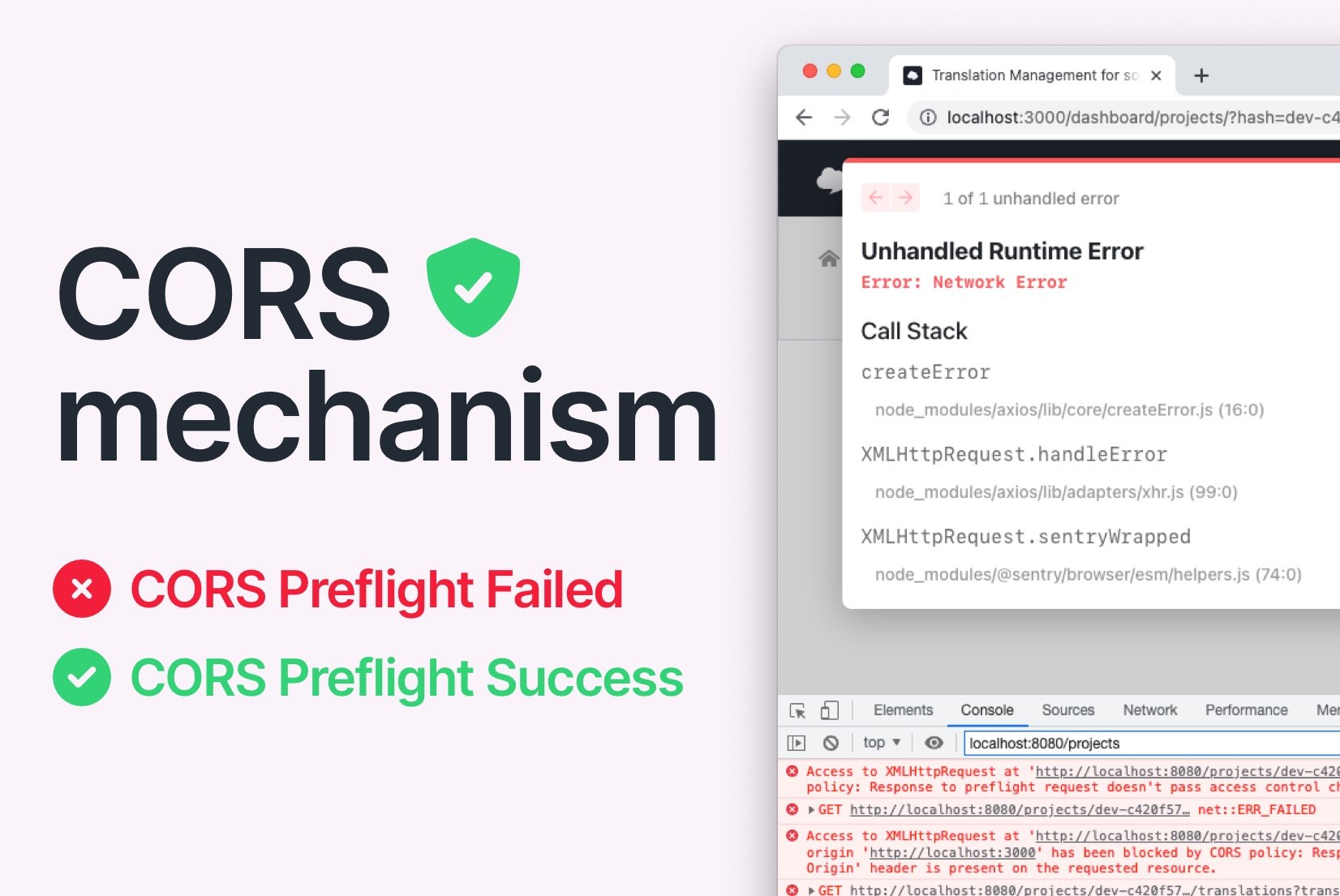
What is CORS? Complete guide to Cross-Origin Resource Sharing (with fixes)
CORS explained clearly: what it is, how preflight requests work, why your app hits CORS errors when loading translations from a CDN, and how to fix them properly.
How to translate NextJS app with next-i18next?
Localize your NextJS app with next-i18next framework. Manage and synchronize localization files with ease. Add new languages in your application.
How to translate NextJS app with next-translate?
Next-translate is a great choice for managing your translations in your NextJS application. Check how to install it and integrate with SimpleLocalize software.
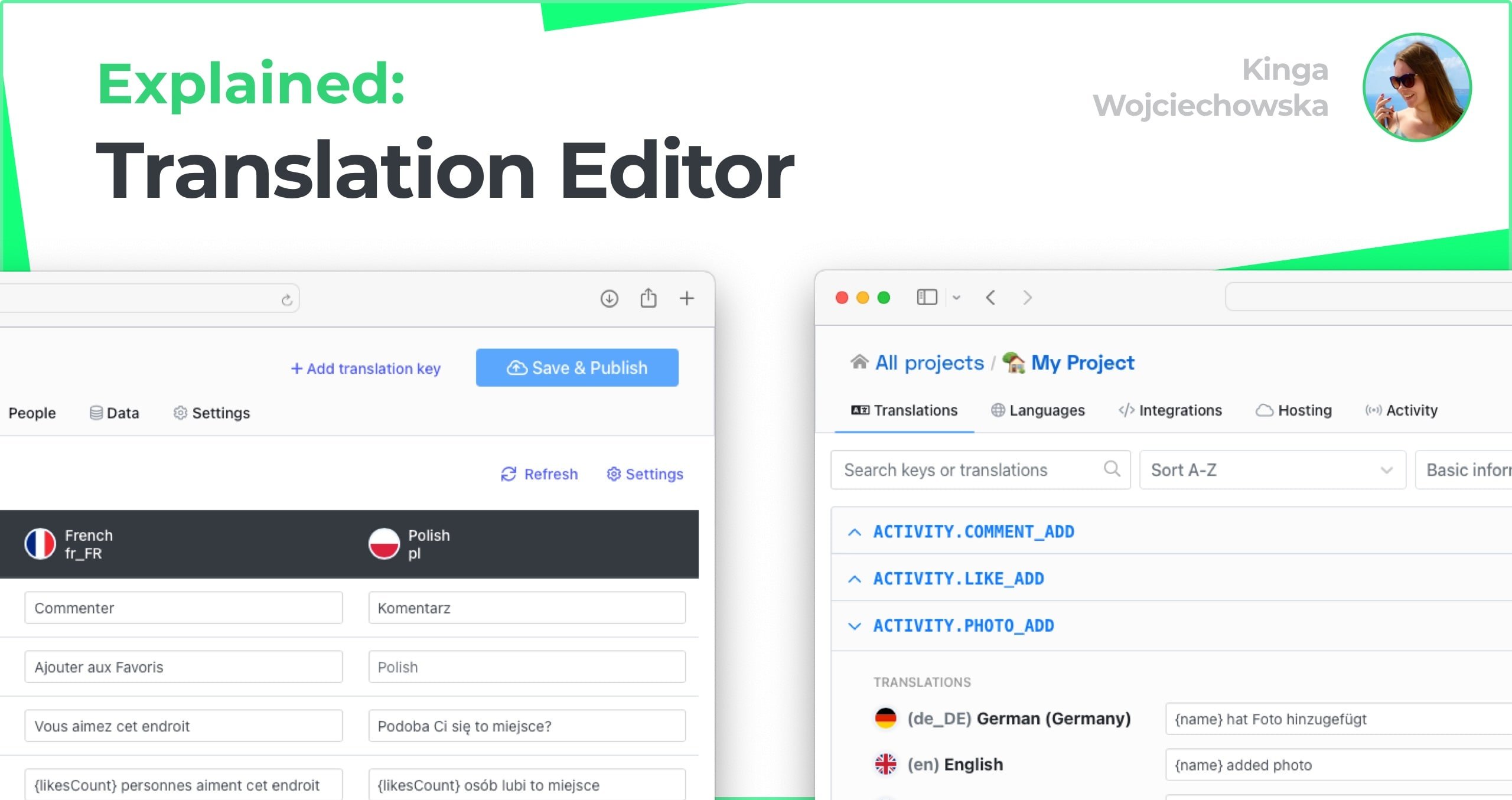
Translation Editor Explained
Explore features and functionalities of SimpleLocalize translation editor, learn how to use them and get started with translation management for your project.
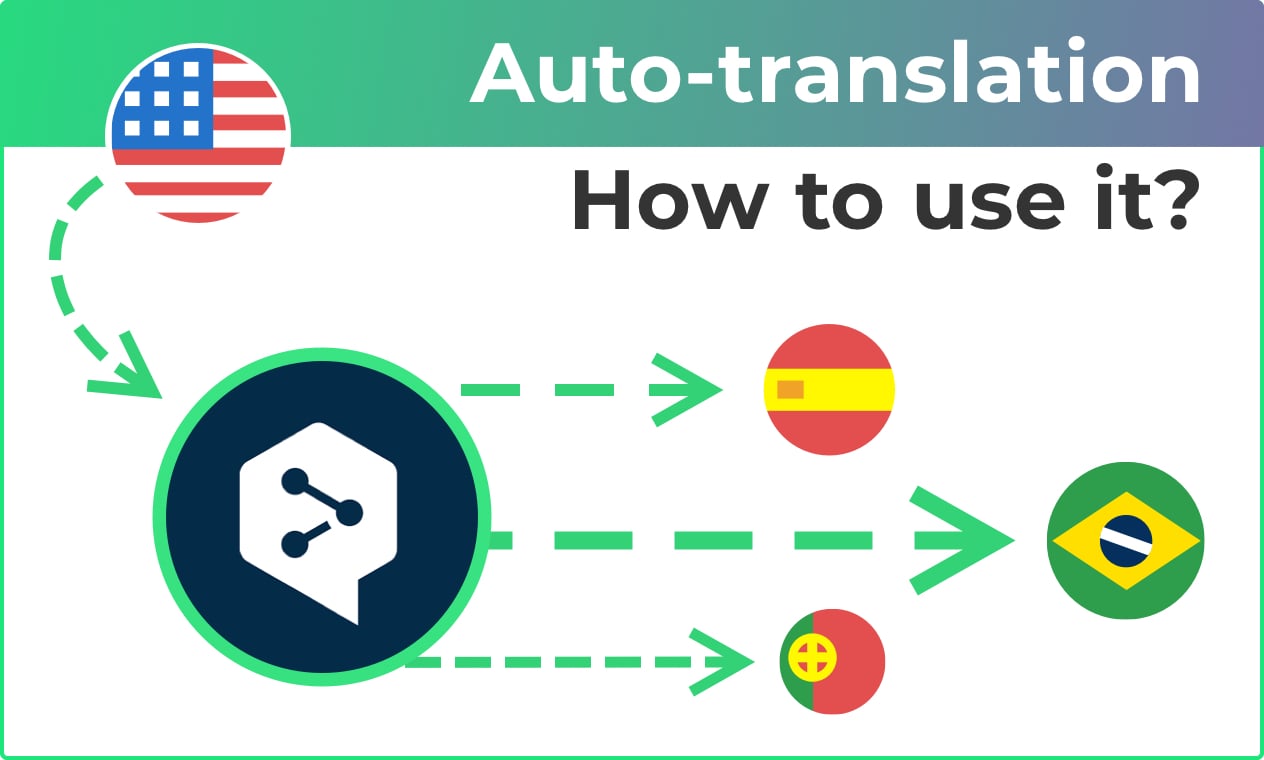
How to use auto-translation?
Auto-translation is a powerful feature which helps you translate your app, website, game or other digital content to multiple languages with just one click.

GitHub Actions available!
GitHub Actions integration for Continuous Localization is available on GitHub Market! Connect your GitHub repository to SimpleLocalize i18n editor for free!
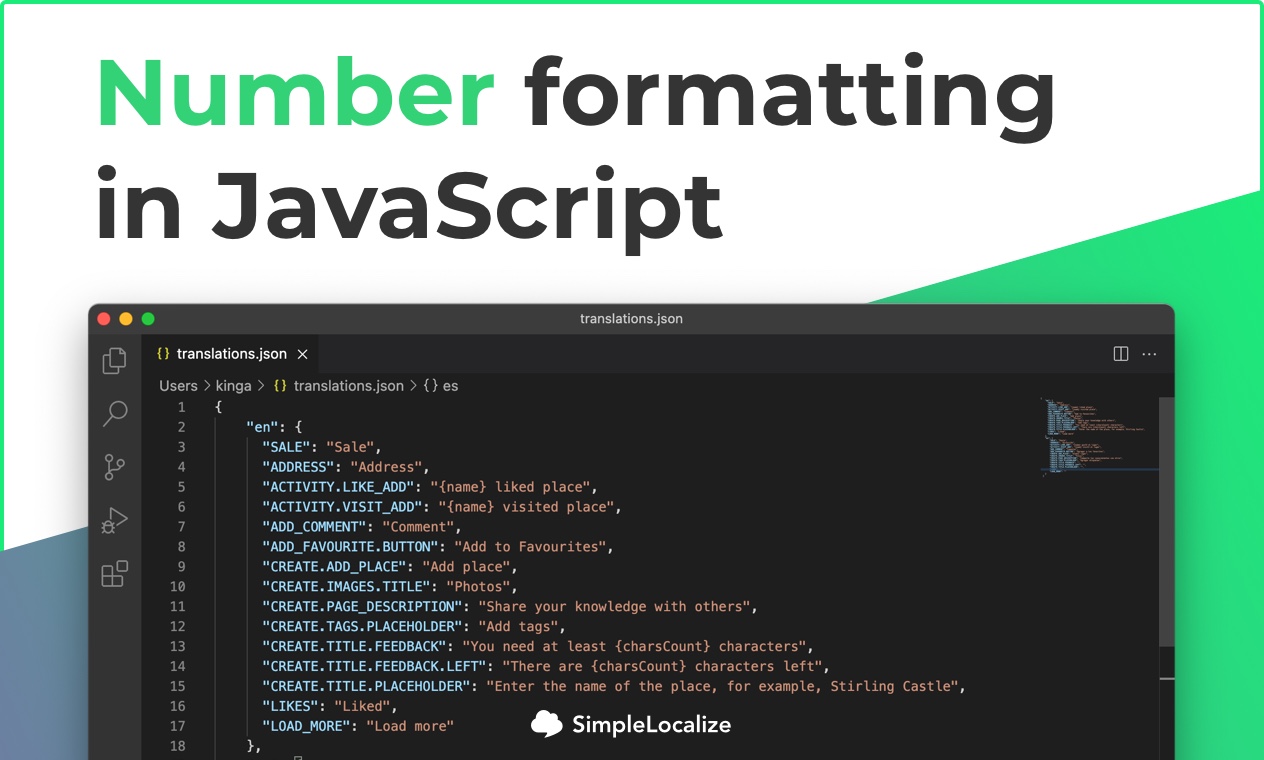
Number formatting in JavaScript
Discover the power of 'toLocaleString' functions in JavaScript. Format numbers, currencies, and units without any 3rd party localization library.
How to create a multi-language website in GatsbyJS?
Create a multi-language GatsbyJS website with a few simple steps. A multi-language website is a great way for your company to reach a wider audience.
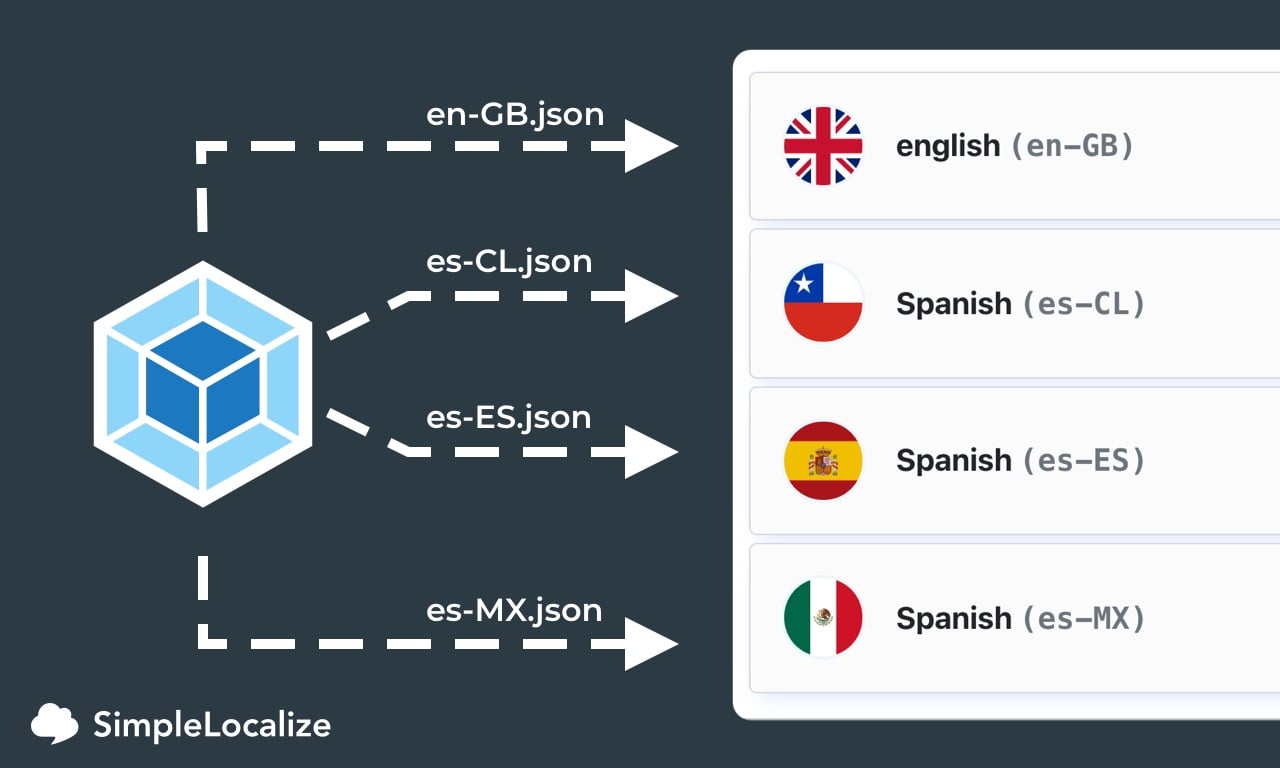
How to use code splitting with JSON files in React application
Lazy load JSON resource with language translations to speed up your React application. Use built-in code-splitting feature to load JSON files.
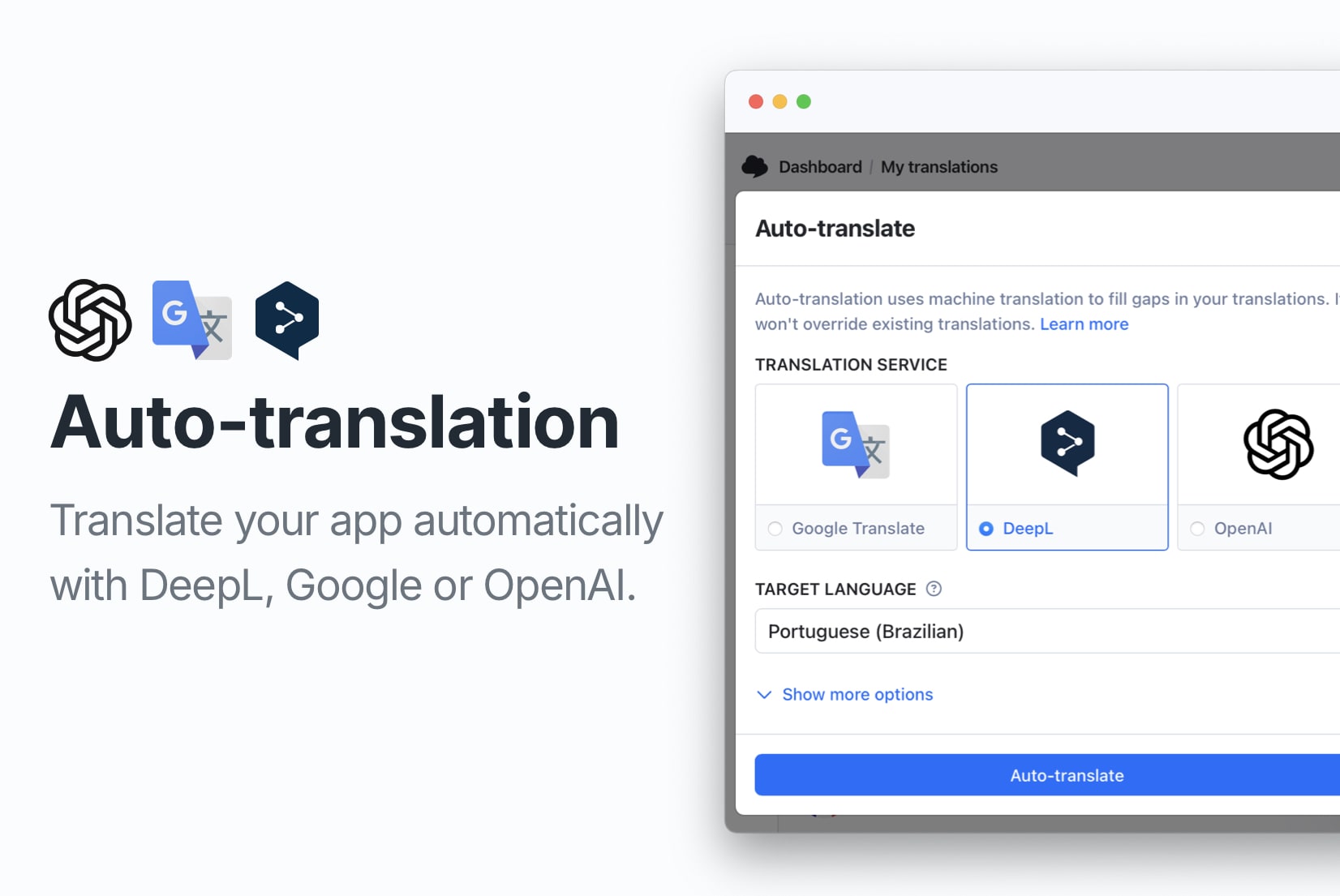
How to auto-translate your app with OpenAI, DeepL & Google
Auto-translate your app using OpenAI, Google Translate, or DeepL via SimpleLocalize. Localize faster with AI-powered translations and flexible plans.

Customer-specific translations management made easy
Deliver personalized translations for each customer with SimpleLocalize. Manage per-customer translation variants and easily export or host customized translations.

FormatJS and React application localization
FormatJS - add more languages to your React app. Zero configuration required. Simple setup with 2-minute guide.

i18next and React application localization in 3 steps
How to localize ReactJS application with i18next internationalization library. Learn how to manage localization in software project

Internationalization tool for yahoo/react-intl
FormatJS - quick guide for localizing React apps and translation files management. Simple setup with 2-minute guide.